


2023-08-03 09:41:08.322
Enhance Visibility and Safety with Guardrail Reflectors: The Key to Safer Roadways
Table of Contents:
1. Introduction: The Significance of Guardrail Reflectors
2. Types of Guardrail Reflectors
2.1. Plastic Guardrail Reflectors
2.2. Glass Bead Guardrail Reflectors
2.3. Reflective Tape Guardrail Reflectors
2.4. Solar-Powered Guardrail Reflectors
3. Installing Guardrail Reflectors: Best Practices
3.1. Selecting the Ideal Location
3.2. Preparing the Surface
3.3. Choosing the Right Adhesive
3.4. Installing the Reflectors
4. Maintaining Guardrail Reflectors: Tips for Longevity
4.1. Regular Cleaning and Inspection
4.2. Replacing Damaged Reflectors
4.3. Considerations for Harsh Weather Conditions
5. Frequently Asked Questions (FAQs)
5.1. What are guardrail reflectors?
5.2. How do guardrail reflectors improve safety?
5.3. Are guardrail reflectors durable?
5.4. Can guardrail reflectors withstand extreme weather conditions?
5.5. How often should guardrail reflectors be inspected?
6. Conclusion: Promoting Road Safety with Guardrail Reflectors
1. Introduction: The Significance of Guardrail Reflectors
Guardrail reflectors serve as essential safety measures to enhance visibility and prevent accidents on our roadways. By strategically placing reflectors along guardrails, they effectively guide drivers during nighttime or low-visibility conditions. These reflective devices play a crucial role in preventing collisions, especially in areas prone to fog, heavy rain, or poor lighting.
2. Types of Guardrail Reflectors
2.1. Plastic Guardrail Reflectors
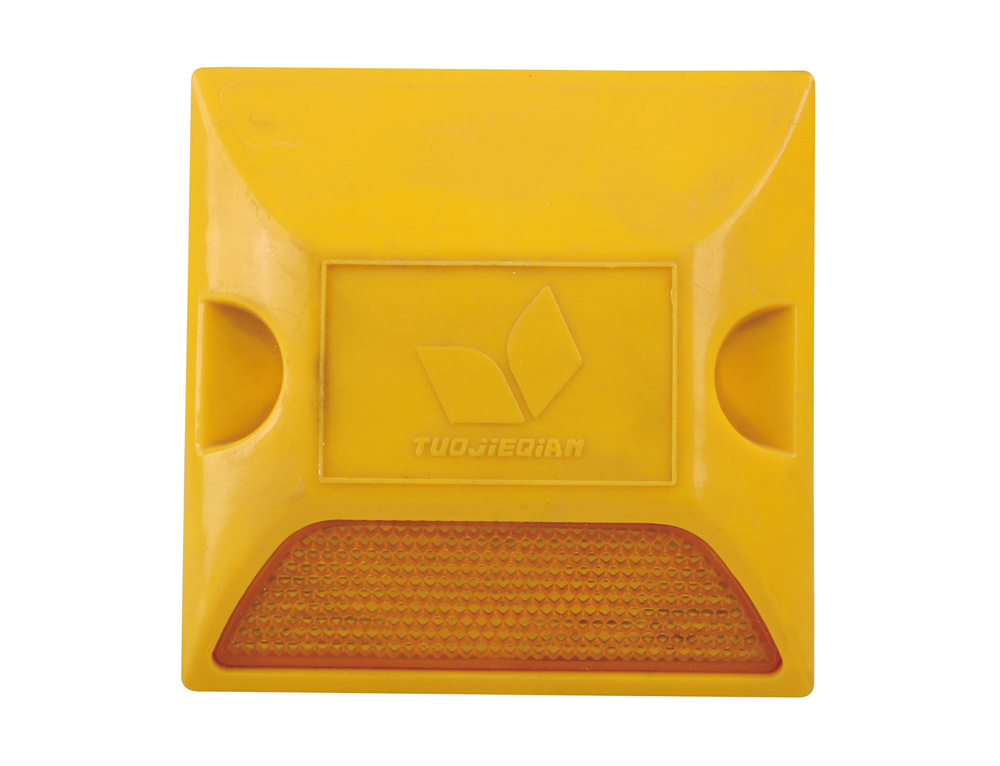
Plastic reflectors are a popular choice due to their durability and cost-effectiveness. They are designed to withstand harsh weather conditions and provide excellent visibility.
2.2. Glass Bead Guardrail Reflectors
Glass bead reflectors utilize tiny glass beads to reflect light, making them highly visible even from a distance. They are known for their exceptional reflectivity and long-lasting performance.
2.3. Reflective Tape Guardrail Reflectors
Reflective tape reflectors are easy to install and offer high reflectivity. They are commonly used in temporary situations or areas with changing safety requirements.
2.4. Solar-Powered Guardrail Reflectors
Solar-powered reflectors harness solar energy during the day and emit bright lights at night. These reflectors are highly visible and energy-efficient, making them an eco-friendly option.
3. Installing Guardrail Reflectors: Best Practices
3.1. Selecting the Ideal Location
Carefully assess the stretch of guardrail where reflectors are needed. Identify areas with poor visibility, sharp curves, or high accident rates. These locations should be prioritized for installing guardrail reflectors.
3.2. Preparing the Surface
Clean the guardrail surface thoroughly and remove any debris or dirt. This ensures proper adhesion and longevity of the reflectors.
3.3. Choosing the Right Adhesive
Select an adhesive suitable for the chosen type of guardrail reflector. Follow the manufacturer's instructions for optimal bonding.
3.4. Installing the Reflectors
Place the reflectors evenly along the guardrail, ensuring they are securely attached. Follow the recommended spacing guidelines for maximum visibility and effectiveness.
4. Maintaining Guardrail Reflectors: Tips for Longevity
4.1. Regular Cleaning and Inspection
Regularly clean the reflectors to remove dirt, dust, and debris that may affect their performance. Inspect them for any signs of damage and replace as necessary.
4.2. Replacing Damaged Reflectors
If a reflector becomes cracked, faded, or no longer reflects light effectively, it should be promptly replaced. Timely replacement ensures consistent visibility and safety.
4.3. Considerations for Harsh Weather Conditions
In areas prone to extreme weather conditions, such as heavy snowfall or high heat, opt for reflectors specifically designed to withstand these challenges. Regularly assess their condition and replace as needed.
5. Frequently Asked Questions (FAQs)
5.1. What are guardrail reflectors?
Guardrail reflectors are reflective devices placed along guardrails to enhance visibility and prevent accidents by guiding motorists during low-visibility or nighttime conditions.
5.2. How do guardrail reflectors improve safety?
Guardrail reflectors reflect light, making guardrails more visible to motorists, especially during nighttime or unfavorable weather conditions. This increased visibility helps drivers navigate safely and prevent collisions.
5.3. Are guardrail reflectors durable?
Yes, guardrail reflectors are designed to be durable and withstand harsh weather conditions. However, regular maintenance and replacement of damaged reflectors are necessary to ensure optimal performance.
5.4. Can guardrail reflectors withstand extreme weather conditions?
Yes, there are guardrail reflectors available that are specifically designed to withstand extreme weather conditions such as heavy snowfall or high heat. It is important to choose the appropriate reflectors for the specific climate and regularly assess their condition.
5.5. How often should guardrail reflectors be inspected?
Guardrail reflectors should be inspected regularly for any signs of damage or fading. It is recommended to include them in routine maintenance checks and replace any damaged or ineffective reflectors promptly.
6. Conclusion: Promoting Road Safety with Guardrail Reflectors
Guardrail reflectors play a vital role in enhancing visibility and safety on our roadways. By choosing the right type of reflectors, installing them strategically, and maintaining them diligently, we can significantly reduce accidents and promote safer driving conditions for all road users. Prioritize the installation and upkeep of guardrail reflectors to create safer roadways for everyone.
1. Introduction: The Significance of Guardrail Reflectors
2. Types of Guardrail Reflectors
2.1. Plastic Guardrail Reflectors
2.2. Glass Bead Guardrail Reflectors
2.3. Reflective Tape Guardrail Reflectors
2.4. Solar-Powered Guardrail Reflectors
3. Installing Guardrail Reflectors: Best Practices
3.1. Selecting the Ideal Location
3.2. Preparing the Surface
3.3. Choosing the Right Adhesive
3.4. Installing the Reflectors
4. Maintaining Guardrail Reflectors: Tips for Longevity
4.1. Regular Cleaning and Inspection
4.2. Replacing Damaged Reflectors
4.3. Considerations for Harsh Weather Conditions
5. Frequently Asked Questions (FAQs)
5.1. What are guardrail reflectors?
5.2. How do guardrail reflectors improve safety?
5.3. Are guardrail reflectors durable?
5.4. Can guardrail reflectors withstand extreme weather conditions?
5.5. How often should guardrail reflectors be inspected?
6. Conclusion: Promoting Road Safety with Guardrail Reflectors
1. Introduction: The Significance of Guardrail Reflectors
Guardrail reflectors serve as essential safety measures to enhance visibility and prevent accidents on our roadways. By strategically placing reflectors along guardrails, they effectively guide drivers during nighttime or low-visibility conditions. These reflective devices play a crucial role in preventing collisions, especially in areas prone to fog, heavy rain, or poor lighting.
2. Types of Guardrail Reflectors
2.1. Plastic Guardrail Reflectors
Plastic reflectors are a popular choice due to their durability and cost-effectiveness. They are designed to withstand harsh weather conditions and provide excellent visibility.
2.2. Glass Bead Guardrail Reflectors
Glass bead reflectors utilize tiny glass beads to reflect light, making them highly visible even from a distance. They are known for their exceptional reflectivity and long-lasting performance.
2.3. Reflective Tape Guardrail Reflectors
Reflective tape reflectors are easy to install and offer high reflectivity. They are commonly used in temporary situations or areas with changing safety requirements.
2.4. Solar-Powered Guardrail Reflectors
Solar-powered reflectors harness solar energy during the day and emit bright lights at night. These reflectors are highly visible and energy-efficient, making them an eco-friendly option.
3. Installing Guardrail Reflectors: Best Practices
3.1. Selecting the Ideal Location
Carefully assess the stretch of guardrail where reflectors are needed. Identify areas with poor visibility, sharp curves, or high accident rates. These locations should be prioritized for installing guardrail reflectors.
3.2. Preparing the Surface
Clean the guardrail surface thoroughly and remove any debris or dirt. This ensures proper adhesion and longevity of the reflectors.
3.3. Choosing the Right Adhesive
Select an adhesive suitable for the chosen type of guardrail reflector. Follow the manufacturer's instructions for optimal bonding.
3.4. Installing the Reflectors
Place the reflectors evenly along the guardrail, ensuring they are securely attached. Follow the recommended spacing guidelines for maximum visibility and effectiveness.
4. Maintaining Guardrail Reflectors: Tips for Longevity
4.1. Regular Cleaning and Inspection
Regularly clean the reflectors to remove dirt, dust, and debris that may affect their performance. Inspect them for any signs of damage and replace as necessary.
4.2. Replacing Damaged Reflectors
If a reflector becomes cracked, faded, or no longer reflects light effectively, it should be promptly replaced. Timely replacement ensures consistent visibility and safety.
4.3. Considerations for Harsh Weather Conditions
In areas prone to extreme weather conditions, such as heavy snowfall or high heat, opt for reflectors specifically designed to withstand these challenges. Regularly assess their condition and replace as needed.
5. Frequently Asked Questions (FAQs)
5.1. What are guardrail reflectors?
Guardrail reflectors are reflective devices placed along guardrails to enhance visibility and prevent accidents by guiding motorists during low-visibility or nighttime conditions.
5.2. How do guardrail reflectors improve safety?
Guardrail reflectors reflect light, making guardrails more visible to motorists, especially during nighttime or unfavorable weather conditions. This increased visibility helps drivers navigate safely and prevent collisions.
5.3. Are guardrail reflectors durable?
Yes, guardrail reflectors are designed to be durable and withstand harsh weather conditions. However, regular maintenance and replacement of damaged reflectors are necessary to ensure optimal performance.
5.4. Can guardrail reflectors withstand extreme weather conditions?
Yes, there are guardrail reflectors available that are specifically designed to withstand extreme weather conditions such as heavy snowfall or high heat. It is important to choose the appropriate reflectors for the specific climate and regularly assess their condition.
5.5. How often should guardrail reflectors be inspected?
Guardrail reflectors should be inspected regularly for any signs of damage or fading. It is recommended to include them in routine maintenance checks and replace any damaged or ineffective reflectors promptly.
6. Conclusion: Promoting Road Safety with Guardrail Reflectors
Guardrail reflectors play a vital role in enhancing visibility and safety on our roadways. By choosing the right type of reflectors, installing them strategically, and maintaining them diligently, we can significantly reduce accidents and promote safer driving conditions for all road users. Prioritize the installation and upkeep of guardrail reflectors to create safer roadways for everyone.
keyword:
guardrail reflector
Relevant news