


2023-11-09 12:20:08.059
The Importance of Car Light Reflectors for Safe Driving
Table of Contents:
1. Introduction
2. How Car Light Reflectors Work
3. Benefits of Car Light Reflectors
4. Different Types of Car Light Reflectors
5. Installation of Car Light Reflectors
6. Factors to Consider When Choosing Car Light Reflectors
7. Common FAQs about Car Light Reflectors
8. Conclusion
Car light reflectors are a vital component of a vehicle's safety system. These small, reflective devices are strategically placed on cars to improve visibility and reduce the risk of accidents. By reflecting light back towards its source, car light reflectors help other drivers, pedestrians, and cyclists see your vehicle more clearly, especially in low-light conditions.
Car light reflectors work on a simple principle of reflection. When illuminated by a light source, such as headlights or street lamps, these reflectors bounce back the light towards its origin. This action creates a bright, visible signal that alerts other road users to the presence and position of your vehicle, increasing overall safety on the road.
Car light reflectors are typically made of highly reflective materials, such as glass beads or microprismatic sheets, which have the ability to reflect light efficiently. These materials ensure that even a small amount of light is reflected back, making your vehicle more visible from various angles.
Car light reflectors offer numerous benefits that contribute to safer driving conditions:
The primary advantage of car light reflectors is their ability to enhance visibility. By reflecting light, they make your vehicle more noticeable to others on the road. This increased visibility reduces the chances of accidents, especially during nighttime or in adverse weather conditions.
Car light reflectors play a crucial role in accident prevention. They help other drivers, pedestrians, and cyclists accurately judge the distance, speed, and position of your vehicle. This information allows them to make informed decisions while sharing the road with you, minimizing the risk of collisions.
In many countries, the installation of car light reflectors is a legal requirement. Driving without proper reflectors may result in fines or penalties. By ensuring your vehicle has these reflectors in the correct positions, you not only comply with the law but also contribute to a safer road environment for everyone.
There are various types of car light reflectors available, each serving a specific purpose:
Rear reflectors are typically installed on the rear end of a vehicle and are designed to enhance its visibility to drivers approaching from behind. These reflectors are often red in color, as mandated by traffic regulations, and are crucial for alerting other drivers to your presence, especially when braking.
Side reflectors are commonly found on the sides of vehicles, near the wheel arches or lower side panels. They are usually amber or red in color and help increase the visibility of your vehicle from the sides, making lane changes and turns safer for both you and other drivers.
Proper installation of car light reflectors is essential for their optimal functionality. Here are some guidelines to follow:
Before installing car light reflectors, refer to your vehicle's manual to identify the recommended locations for reflector placement. Different vehicles may have specific guidelines regarding the positioning of reflectors.
Ensure that the surface where you plan to install the reflectors is clean and free from any dirt, debris, or wax. A clean surface allows for better adhesive bonding, ensuring the reflectors stay in place.
Most car light reflectors come with adhesive backing for easy installation. Peel off the protective layer, align the reflector in the designated location, and firmly press it onto the surface. Follow any additional instructions provided by the manufacturer.
When selecting car light reflectors, consider the following factors:
Choose reflectors made from durable materials that can withstand various weather conditions, such as rain, snow, and extreme temperatures. High-quality reflectors ensure long-lasting visibility enhancement.
Opt for reflectors that offer a wide visibility range, ensuring they are visible from different angles. This feature enhances the effectiveness of the reflectors, making your vehicle more noticeable to others.
Ensure that the reflectors you choose comply with local traffic regulations. Different regions may have specific requirements regarding reflector size, color, and positioning. Adhering to these regulations ensures legal compliance and road safety.
No, car light reflectors are beneficial for both daytime and nighttime driving. They enhance visibility in all lighting conditions, reducing the risk of accidents.
While it may be tempting to add more reflectors for increased visibility, it is essential to follow your local traffic regulations. Consult your vehicle manual or local authorities for guidelines on additional reflector installation.
Reflectors generally do not require regular maintenance. However, it is advisable to periodically inspect them for damage or loss of reflectivity. Replace any damaged or worn-out reflectors promptly.
Car light reflectors are indispensable for safe driving. By significantly enhancing visibility and facilitating accurate judgment of a vehicle's position, reflectors play a vital role in accident prevention. Make sure to install reflectors in the recommended positions and adhere to local traffic regulations. Prioritizing road safety by utilizing car light reflectors helps create a safer driving environment for everyone.
1. Introduction
2. How Car Light Reflectors Work
3. Benefits of Car Light Reflectors
4. Different Types of Car Light Reflectors
5. Installation of Car Light Reflectors
6. Factors to Consider When Choosing Car Light Reflectors
7. Common FAQs about Car Light Reflectors
8. Conclusion
1. Introduction
Car light reflectors are a vital component of a vehicle's safety system. These small, reflective devices are strategically placed on cars to improve visibility and reduce the risk of accidents. By reflecting light back towards its source, car light reflectors help other drivers, pedestrians, and cyclists see your vehicle more clearly, especially in low-light conditions.
2. How Car Light Reflectors Work
Car light reflectors work on a simple principle of reflection. When illuminated by a light source, such as headlights or street lamps, these reflectors bounce back the light towards its origin. This action creates a bright, visible signal that alerts other road users to the presence and position of your vehicle, increasing overall safety on the road.
2.1 Reflective Materials
Car light reflectors are typically made of highly reflective materials, such as glass beads or microprismatic sheets, which have the ability to reflect light efficiently. These materials ensure that even a small amount of light is reflected back, making your vehicle more visible from various angles.
3. Benefits of Car Light Reflectors
Car light reflectors offer numerous benefits that contribute to safer driving conditions:
3.1 Enhanced Visibility
The primary advantage of car light reflectors is their ability to enhance visibility. By reflecting light, they make your vehicle more noticeable to others on the road. This increased visibility reduces the chances of accidents, especially during nighttime or in adverse weather conditions.
3.2 Prevention of Accidents
Car light reflectors play a crucial role in accident prevention. They help other drivers, pedestrians, and cyclists accurately judge the distance, speed, and position of your vehicle. This information allows them to make informed decisions while sharing the road with you, minimizing the risk of collisions.
3.3 Legal Compliance
In many countries, the installation of car light reflectors is a legal requirement. Driving without proper reflectors may result in fines or penalties. By ensuring your vehicle has these reflectors in the correct positions, you not only comply with the law but also contribute to a safer road environment for everyone.
4. Different Types of Car Light Reflectors
There are various types of car light reflectors available, each serving a specific purpose:
4.1 Rear Reflectors
Rear reflectors are typically installed on the rear end of a vehicle and are designed to enhance its visibility to drivers approaching from behind. These reflectors are often red in color, as mandated by traffic regulations, and are crucial for alerting other drivers to your presence, especially when braking.
4.2 Side Reflectors
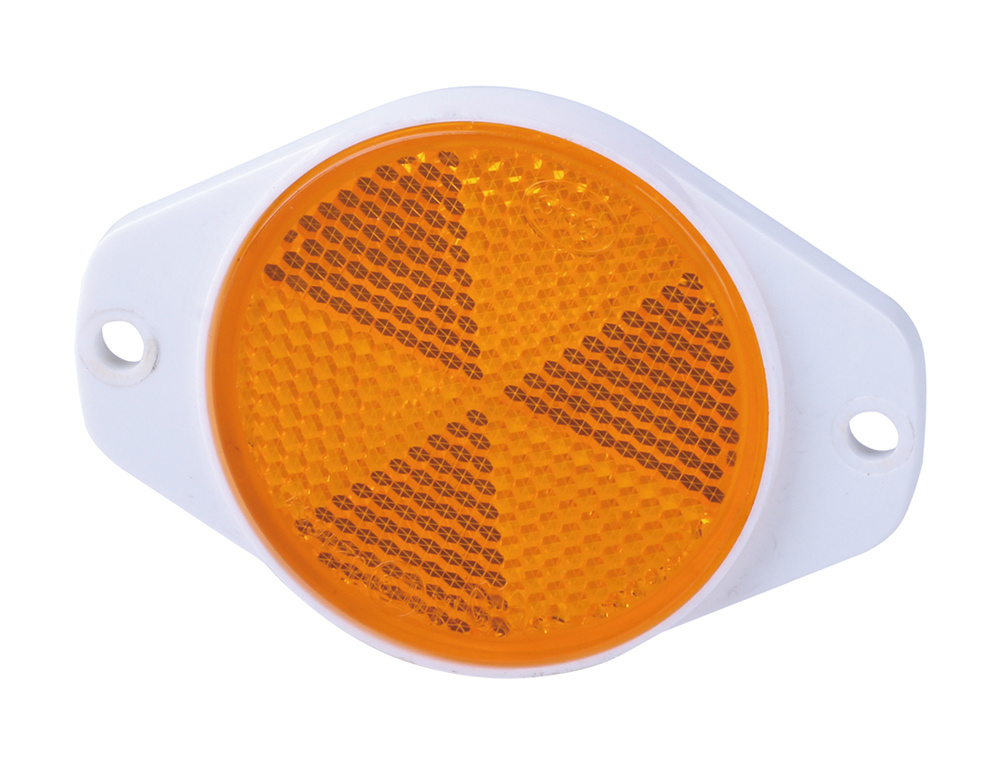
Side reflectors are commonly found on the sides of vehicles, near the wheel arches or lower side panels. They are usually amber or red in color and help increase the visibility of your vehicle from the sides, making lane changes and turns safer for both you and other drivers.
5. Installation of Car Light Reflectors
Proper installation of car light reflectors is essential for their optimal functionality. Here are some guidelines to follow:
5.1 Consult Your Vehicle Manual
Before installing car light reflectors, refer to your vehicle's manual to identify the recommended locations for reflector placement. Different vehicles may have specific guidelines regarding the positioning of reflectors.
5.2 Clean the Surface
Ensure that the surface where you plan to install the reflectors is clean and free from any dirt, debris, or wax. A clean surface allows for better adhesive bonding, ensuring the reflectors stay in place.
5.3 Use Adhesive Backing
Most car light reflectors come with adhesive backing for easy installation. Peel off the protective layer, align the reflector in the designated location, and firmly press it onto the surface. Follow any additional instructions provided by the manufacturer.
6. Factors to Consider When Choosing Car Light Reflectors
When selecting car light reflectors, consider the following factors:
6.1 Durability
Choose reflectors made from durable materials that can withstand various weather conditions, such as rain, snow, and extreme temperatures. High-quality reflectors ensure long-lasting visibility enhancement.
6.2 Visibility Range
Opt for reflectors that offer a wide visibility range, ensuring they are visible from different angles. This feature enhances the effectiveness of the reflectors, making your vehicle more noticeable to others.
6.3 Compliance with Traffic Regulations
Ensure that the reflectors you choose comply with local traffic regulations. Different regions may have specific requirements regarding reflector size, color, and positioning. Adhering to these regulations ensures legal compliance and road safety.
7. Common FAQs about Car Light Reflectors
7.1 Are car light reflectors only necessary for nighttime driving?
No, car light reflectors are beneficial for both daytime and nighttime driving. They enhance visibility in all lighting conditions, reducing the risk of accidents.
7.2 Can I install additional reflectors on my vehicle?
While it may be tempting to add more reflectors for increased visibility, it is essential to follow your local traffic regulations. Consult your vehicle manual or local authorities for guidelines on additional reflector installation.
7.3 Do reflectors require regular maintenance?
Reflectors generally do not require regular maintenance. However, it is advisable to periodically inspect them for damage or loss of reflectivity. Replace any damaged or worn-out reflectors promptly.
8. Conclusion
Car light reflectors are indispensable for safe driving. By significantly enhancing visibility and facilitating accurate judgment of a vehicle's position, reflectors play a vital role in accident prevention. Make sure to install reflectors in the recommended positions and adhere to local traffic regulations. Prioritizing road safety by utilizing car light reflectors helps create a safer driving environment for everyone.
keyword:
car light reflector
Relevant news