


2023-12-26 19:00:03.179
Stay Safe on the Road with Bicycle Reflectors: Enhance Visibility and Prevent Accidents
Table of Contents
1. Introduction
2. The Importance of Bicycle Reflectors
2.1 Enhancing Visibility
2.2 Legal Requirements
3. Types of Bicycle Reflectors
3.1 Front Reflectors
3.2 Rear Reflectors
3.3 Pedal Reflectors
3.4 Wheel Reflectors
4. Choosing the Right Bicycle Reflectors
4.1 Reflectivity and Durability
4.2 Easy Installation
4.3 Compatibility
4.4 Design and Aesthetics
5. Maximizing Visibility with Bicycle Reflectors
5.1 Proper Placement
5.2 Cleaning and Maintenance
5.3 Supplementing with Additional Safety Measures
6. Frequently Asked Questions (FAQs)
6.1 Can I use reflective tape instead of bicycle reflectors?
6.2 Are there any regulations regarding the color of bicycle reflectors?
6.3 How often should I replace my bicycle reflectors?
6.4 Can I use bicycle reflectors on my helmet?
6.5 Are there reflector options for e-bikes and motorcycles?
7. Conclusion
1. Introduction
Cycling is a fantastic way to stay fit, commute, and enjoy the great outdoors. However, it's essential to prioritize safety while on the road. One of the most effective ways to enhance your visibility and minimize the risk of accidents is by using bicycle reflectors. In this article, we'll delve into the world of bicycle reflectors, explaining their significance, different types, and how to choose the right ones for your needs.
2. The Importance of Bicycle Reflectors
2.1 Enhancing Visibility
When riding a bicycle, especially during low-light conditions or at night, visibility becomes a crucial factor for your safety. Bicycle reflectors play a pivotal role in making you more visible to other road users, including motorists and pedestrians. By reflecting light back to its source, reflectors ensure that you stand out and can be seen from a distance.
2.2 Legal Requirements
In many countries, bicycle reflectors are not just recommended but required by law. These regulations are in place to protect cyclists and prevent accidents. By equipping your bicycle with the appropriate reflectors, you not only prioritize your safety but also comply with legal requirements.
3. Types of Bicycle Reflectors
3.1 Front Reflectors
Front reflectors are typically mounted on the handlebars or the front fork of a bicycle. They emit light in the forward direction, alerting oncoming traffic of your presence. Front reflectors are particularly crucial when cycling at night or in dimly lit areas.
3.2 Rear Reflectors
Rear reflectors are usually attached to the seat post or the back of the bicycle frame. They emit light towards the rear, making you visible to vehicles approaching from behind. Rear reflectors are essential for ensuring your safety, especially when cycling on busy roads.
3.3 Pedal Reflectors
Pedal reflectors are designed to enhance visibility from the sides of your bicycle. These reflectors are typically fixed onto the pedals, creating movement and catching the attention of drivers approaching from different angles. Pedal reflectors are often an integral part of bicycle safety setups.
3.4 Wheel Reflectors
Wheel reflectors, also known as spoke reflectors, are attached to the spokes of the bicycle wheels. They create a rotating effect, significantly increasing your visibility as the wheels spin. Wheel reflectors are particularly effective in urban environments, where there are multiple light sources.
4. Choosing the Right Bicycle Reflectors
4.1 Reflectivity and Durability
When selecting bicycle reflectors, prioritize those with high reflectivity. Opt for reflectors made from quality materials that are durable and resistant to wear and tear. This ensures that your reflectors will continue to provide optimal visibility over an extended period.
4.2 Easy Installation
Choose bicycle reflectors that are easy to install and compatible with your bicycle. Many reflectors come with simple attachment mechanisms, such as adhesive backing or adjustable mounts, making installation hassle-free.
4.3 Compatibility
Consider the compatibility of the reflectors with your bicycle's design and components. Reflectors should fit securely and not interfere with other accessories or moving parts. It's essential to choose reflectors that complement the overall aesthetics of your bike.
4.4 Design and Aesthetics
Reflectors come in various shapes, sizes, and colors. While functionality is paramount, you can also select reflectors that match your personal preferences and style. This way, you can enhance your safety without compromising the visual appeal of your bicycle.
5. Maximizing Visibility with Bicycle Reflectors
5.1 Proper Placement
To maximize visibility, position your bicycle reflectors according to the manufacturer's instructions. Ensure that reflectors are securely attached and aligned correctly. Proper placement allows for optimal reflection and makes you more noticeable to others on the road.
5.2 Cleaning and Maintenance
Regularly clean your reflectors to remove dirt, grime, or any obstruction that may hinder their performance. Maintenance is essential to preserve reflectivity and ensure their effectiveness in enhancing visibility.
5.3 Supplementing with Additional Safety Measures
While bicycle reflectors significantly increase your visibility, it's always wise to supplement them with additional safety measures. Consider using front and rear lights, wearing reflective clothing, and adhering to proper cycling etiquette to further enhance your safety on the road.
6. Frequently Asked Questions (FAQs)
6.1 Can I use reflective tape instead of bicycle reflectors?
Reflective tape can serve as an alternative to traditional bicycle reflectors. However, it's important to ensure that the tape meets the required reflective standards and is properly applied to your bicycle to maximize visibility.
6.2 Are there any regulations regarding the color of bicycle reflectors?
Regulations regarding the color of bicycle reflectors may vary depending on your location. However, in most cases, front reflectors should emit white or yellow light, while rear reflectors should emit red light. Always check your local regulations for specific requirements.
6.3 How often should I replace my bicycle reflectors?
Inspect your bicycle reflectors regularly for signs of wear, damage, or reduced reflectivity. If you notice any issues, replace them immediately. As a general guideline, consider replacing your reflectors every one to two years, or sooner if necessary.
6.4 Can I use bicycle reflectors on my helmet?
While it's not common to attach reflectors directly to helmets, you can opt for helmets with built-in reflective elements or attach reflective stickers. Helmet reflectors can provide an additional safety feature, especially during nighttime rides.
6.5 Are there reflector options for e-bikes and motorcycles?
Yes, there are reflector options available for e-bikes and motorcycles. These vehicles often require specialized reflectors that meet specific regulations. Look for reflectors designed explicitly for e-bikes and motorcycles to ensure compliance and enhance visibility.
7. Conclusion
Prioritizing safety on the road is crucial for every cyclist. Bicycle reflectors offer a practical and effective solution to enhance visibility and reduce the risk of accidents. By choosing the right reflectors, installing them correctly, and supplementing with additional safety measures, you can significantly improve your safety while enjoying your cycling adventures. Stay safe on the road with bicycle reflectors and enjoy your rides with peace of mind.
2. The Importance of Bicycle Reflectors
2.1 Enhancing Visibility
2.2 Legal Requirements
3. Types of Bicycle Reflectors
3.1 Front Reflectors
3.2 Rear Reflectors
3.3 Pedal Reflectors
3.4 Wheel Reflectors
4. Choosing the Right Bicycle Reflectors
4.1 Reflectivity and Durability
4.2 Easy Installation
4.3 Compatibility
4.4 Design and Aesthetics
5. Maximizing Visibility with Bicycle Reflectors
5.1 Proper Placement
5.2 Cleaning and Maintenance
5.3 Supplementing with Additional Safety Measures
6. Frequently Asked Questions (FAQs)
6.1 Can I use reflective tape instead of bicycle reflectors?
6.2 Are there any regulations regarding the color of bicycle reflectors?
6.3 How often should I replace my bicycle reflectors?
6.4 Can I use bicycle reflectors on my helmet?
6.5 Are there reflector options for e-bikes and motorcycles?
7. Conclusion
1. Introduction
Cycling is a fantastic way to stay fit, commute, and enjoy the great outdoors. However, it's essential to prioritize safety while on the road. One of the most effective ways to enhance your visibility and minimize the risk of accidents is by using bicycle reflectors. In this article, we'll delve into the world of bicycle reflectors, explaining their significance, different types, and how to choose the right ones for your needs.
2. The Importance of Bicycle Reflectors
2.1 Enhancing Visibility
When riding a bicycle, especially during low-light conditions or at night, visibility becomes a crucial factor for your safety. Bicycle reflectors play a pivotal role in making you more visible to other road users, including motorists and pedestrians. By reflecting light back to its source, reflectors ensure that you stand out and can be seen from a distance.
2.2 Legal Requirements
In many countries, bicycle reflectors are not just recommended but required by law. These regulations are in place to protect cyclists and prevent accidents. By equipping your bicycle with the appropriate reflectors, you not only prioritize your safety but also comply with legal requirements.
3. Types of Bicycle Reflectors
3.1 Front Reflectors
Front reflectors are typically mounted on the handlebars or the front fork of a bicycle. They emit light in the forward direction, alerting oncoming traffic of your presence. Front reflectors are particularly crucial when cycling at night or in dimly lit areas.
3.2 Rear Reflectors
Rear reflectors are usually attached to the seat post or the back of the bicycle frame. They emit light towards the rear, making you visible to vehicles approaching from behind. Rear reflectors are essential for ensuring your safety, especially when cycling on busy roads.
3.3 Pedal Reflectors
Pedal reflectors are designed to enhance visibility from the sides of your bicycle. These reflectors are typically fixed onto the pedals, creating movement and catching the attention of drivers approaching from different angles. Pedal reflectors are often an integral part of bicycle safety setups.
3.4 Wheel Reflectors
Wheel reflectors, also known as spoke reflectors, are attached to the spokes of the bicycle wheels. They create a rotating effect, significantly increasing your visibility as the wheels spin. Wheel reflectors are particularly effective in urban environments, where there are multiple light sources.
4. Choosing the Right Bicycle Reflectors
4.1 Reflectivity and Durability
When selecting bicycle reflectors, prioritize those with high reflectivity. Opt for reflectors made from quality materials that are durable and resistant to wear and tear. This ensures that your reflectors will continue to provide optimal visibility over an extended period.
4.2 Easy Installation
Choose bicycle reflectors that are easy to install and compatible with your bicycle. Many reflectors come with simple attachment mechanisms, such as adhesive backing or adjustable mounts, making installation hassle-free.
4.3 Compatibility
Consider the compatibility of the reflectors with your bicycle's design and components. Reflectors should fit securely and not interfere with other accessories or moving parts. It's essential to choose reflectors that complement the overall aesthetics of your bike.
4.4 Design and Aesthetics
Reflectors come in various shapes, sizes, and colors. While functionality is paramount, you can also select reflectors that match your personal preferences and style. This way, you can enhance your safety without compromising the visual appeal of your bicycle.
5. Maximizing Visibility with Bicycle Reflectors
5.1 Proper Placement
To maximize visibility, position your bicycle reflectors according to the manufacturer's instructions. Ensure that reflectors are securely attached and aligned correctly. Proper placement allows for optimal reflection and makes you more noticeable to others on the road.
5.2 Cleaning and Maintenance
Regularly clean your reflectors to remove dirt, grime, or any obstruction that may hinder their performance. Maintenance is essential to preserve reflectivity and ensure their effectiveness in enhancing visibility.
5.3 Supplementing with Additional Safety Measures
While bicycle reflectors significantly increase your visibility, it's always wise to supplement them with additional safety measures. Consider using front and rear lights, wearing reflective clothing, and adhering to proper cycling etiquette to further enhance your safety on the road.
6. Frequently Asked Questions (FAQs)
6.1 Can I use reflective tape instead of bicycle reflectors?
Reflective tape can serve as an alternative to traditional bicycle reflectors. However, it's important to ensure that the tape meets the required reflective standards and is properly applied to your bicycle to maximize visibility.
6.2 Are there any regulations regarding the color of bicycle reflectors?
Regulations regarding the color of bicycle reflectors may vary depending on your location. However, in most cases, front reflectors should emit white or yellow light, while rear reflectors should emit red light. Always check your local regulations for specific requirements.
6.3 How often should I replace my bicycle reflectors?
Inspect your bicycle reflectors regularly for signs of wear, damage, or reduced reflectivity. If you notice any issues, replace them immediately. As a general guideline, consider replacing your reflectors every one to two years, or sooner if necessary.
6.4 Can I use bicycle reflectors on my helmet?
While it's not common to attach reflectors directly to helmets, you can opt for helmets with built-in reflective elements or attach reflective stickers. Helmet reflectors can provide an additional safety feature, especially during nighttime rides.
6.5 Are there reflector options for e-bikes and motorcycles?
Yes, there are reflector options available for e-bikes and motorcycles. These vehicles often require specialized reflectors that meet specific regulations. Look for reflectors designed explicitly for e-bikes and motorcycles to ensure compliance and enhance visibility.
7. Conclusion
Prioritizing safety on the road is crucial for every cyclist. Bicycle reflectors offer a practical and effective solution to enhance visibility and reduce the risk of accidents. By choosing the right reflectors, installing them correctly, and supplementing with additional safety measures, you can significantly improve your safety while enjoying your cycling adventures. Stay safe on the road with bicycle reflectors and enjoy your rides with peace of mind.
2.2 Legal Requirements
3. Types of Bicycle Reflectors
3.1 Front Reflectors
3.2 Rear Reflectors
3.3 Pedal Reflectors
3.4 Wheel Reflectors
4. Choosing the Right Bicycle Reflectors
4.1 Reflectivity and Durability
4.2 Easy Installation
4.3 Compatibility
4.4 Design and Aesthetics
5. Maximizing Visibility with Bicycle Reflectors
5.1 Proper Placement
5.2 Cleaning and Maintenance
5.3 Supplementing with Additional Safety Measures
6. Frequently Asked Questions (FAQs)
6.1 Can I use reflective tape instead of bicycle reflectors?
6.2 Are there any regulations regarding the color of bicycle reflectors?
6.3 How often should I replace my bicycle reflectors?
6.4 Can I use bicycle reflectors on my helmet?
6.5 Are there reflector options for e-bikes and motorcycles?
7. Conclusion
1. Introduction
Cycling is a fantastic way to stay fit, commute, and enjoy the great outdoors. However, it's essential to prioritize safety while on the road. One of the most effective ways to enhance your visibility and minimize the risk of accidents is by using bicycle reflectors. In this article, we'll delve into the world of bicycle reflectors, explaining their significance, different types, and how to choose the right ones for your needs.
2. The Importance of Bicycle Reflectors
2.1 Enhancing Visibility
When riding a bicycle, especially during low-light conditions or at night, visibility becomes a crucial factor for your safety. Bicycle reflectors play a pivotal role in making you more visible to other road users, including motorists and pedestrians. By reflecting light back to its source, reflectors ensure that you stand out and can be seen from a distance.
2.2 Legal Requirements
In many countries, bicycle reflectors are not just recommended but required by law. These regulations are in place to protect cyclists and prevent accidents. By equipping your bicycle with the appropriate reflectors, you not only prioritize your safety but also comply with legal requirements.
3. Types of Bicycle Reflectors
3.1 Front Reflectors
Front reflectors are typically mounted on the handlebars or the front fork of a bicycle. They emit light in the forward direction, alerting oncoming traffic of your presence. Front reflectors are particularly crucial when cycling at night or in dimly lit areas.
3.2 Rear Reflectors
Rear reflectors are usually attached to the seat post or the back of the bicycle frame. They emit light towards the rear, making you visible to vehicles approaching from behind. Rear reflectors are essential for ensuring your safety, especially when cycling on busy roads.
3.3 Pedal Reflectors
Pedal reflectors are designed to enhance visibility from the sides of your bicycle. These reflectors are typically fixed onto the pedals, creating movement and catching the attention of drivers approaching from different angles. Pedal reflectors are often an integral part of bicycle safety setups.
3.4 Wheel Reflectors
Wheel reflectors, also known as spoke reflectors, are attached to the spokes of the bicycle wheels. They create a rotating effect, significantly increasing your visibility as the wheels spin. Wheel reflectors are particularly effective in urban environments, where there are multiple light sources.
4. Choosing the Right Bicycle Reflectors
4.1 Reflectivity and Durability
When selecting bicycle reflectors, prioritize those with high reflectivity. Opt for reflectors made from quality materials that are durable and resistant to wear and tear. This ensures that your reflectors will continue to provide optimal visibility over an extended period.
4.2 Easy Installation
Choose bicycle reflectors that are easy to install and compatible with your bicycle. Many reflectors come with simple attachment mechanisms, such as adhesive backing or adjustable mounts, making installation hassle-free.
4.3 Compatibility
Consider the compatibility of the reflectors with your bicycle's design and components. Reflectors should fit securely and not interfere with other accessories or moving parts. It's essential to choose reflectors that complement the overall aesthetics of your bike.
4.4 Design and Aesthetics
Reflectors come in various shapes, sizes, and colors. While functionality is paramount, you can also select reflectors that match your personal preferences and style. This way, you can enhance your safety without compromising the visual appeal of your bicycle.
5. Maximizing Visibility with Bicycle Reflectors
5.1 Proper Placement
To maximize visibility, position your bicycle reflectors according to the manufacturer's instructions. Ensure that reflectors are securely attached and aligned correctly. Proper placement allows for optimal reflection and makes you more noticeable to others on the road.
5.2 Cleaning and Maintenance
Regularly clean your reflectors to remove dirt, grime, or any obstruction that may hinder their performance. Maintenance is essential to preserve reflectivity and ensure their effectiveness in enhancing visibility.
5.3 Supplementing with Additional Safety Measures
While bicycle reflectors significantly increase your visibility, it's always wise to supplement them with additional safety measures. Consider using front and rear lights, wearing reflective clothing, and adhering to proper cycling etiquette to further enhance your safety on the road.
6. Frequently Asked Questions (FAQs)
6.1 Can I use reflective tape instead of bicycle reflectors?
Reflective tape can serve as an alternative to traditional bicycle reflectors. However, it's important to ensure that the tape meets the required reflective standards and is properly applied to your bicycle to maximize visibility.
6.2 Are there any regulations regarding the color of bicycle reflectors?
Regulations regarding the color of bicycle reflectors may vary depending on your location. However, in most cases, front reflectors should emit white or yellow light, while rear reflectors should emit red light. Always check your local regulations for specific requirements.
6.3 How often should I replace my bicycle reflectors?
Inspect your bicycle reflectors regularly for signs of wear, damage, or reduced reflectivity. If you notice any issues, replace them immediately. As a general guideline, consider replacing your reflectors every one to two years, or sooner if necessary.
6.4 Can I use bicycle reflectors on my helmet?
While it's not common to attach reflectors directly to helmets, you can opt for helmets with built-in reflective elements or attach reflective stickers. Helmet reflectors can provide an additional safety feature, especially during nighttime rides.
6.5 Are there reflector options for e-bikes and motorcycles?
Yes, there are reflector options available for e-bikes and motorcycles. These vehicles often require specialized reflectors that meet specific regulations. Look for reflectors designed explicitly for e-bikes and motorcycles to ensure compliance and enhance visibility.
7. Conclusion
Prioritizing safety on the road is crucial for every cyclist. Bicycle reflectors offer a practical and effective solution to enhance visibility and reduce the risk of accidents. By choosing the right reflectors, installing them correctly, and supplementing with additional safety measures, you can significantly improve your safety while enjoying your cycling adventures. Stay safe on the road with bicycle reflectors and enjoy your rides with peace of mind.
3.1 Front Reflectors
3.2 Rear Reflectors
3.3 Pedal Reflectors
3.4 Wheel Reflectors
4. Choosing the Right Bicycle Reflectors
4.1 Reflectivity and Durability
4.2 Easy Installation
4.3 Compatibility
4.4 Design and Aesthetics
5. Maximizing Visibility with Bicycle Reflectors
5.1 Proper Placement
5.2 Cleaning and Maintenance
5.3 Supplementing with Additional Safety Measures
6. Frequently Asked Questions (FAQs)
6.1 Can I use reflective tape instead of bicycle reflectors?
6.2 Are there any regulations regarding the color of bicycle reflectors?
6.3 How often should I replace my bicycle reflectors?
6.4 Can I use bicycle reflectors on my helmet?
6.5 Are there reflector options for e-bikes and motorcycles?
7. Conclusion
1. Introduction
Cycling is a fantastic way to stay fit, commute, and enjoy the great outdoors. However, it's essential to prioritize safety while on the road. One of the most effective ways to enhance your visibility and minimize the risk of accidents is by using bicycle reflectors. In this article, we'll delve into the world of bicycle reflectors, explaining their significance, different types, and how to choose the right ones for your needs.
2. The Importance of Bicycle Reflectors
2.1 Enhancing Visibility
When riding a bicycle, especially during low-light conditions or at night, visibility becomes a crucial factor for your safety. Bicycle reflectors play a pivotal role in making you more visible to other road users, including motorists and pedestrians. By reflecting light back to its source, reflectors ensure that you stand out and can be seen from a distance.
2.2 Legal Requirements
In many countries, bicycle reflectors are not just recommended but required by law. These regulations are in place to protect cyclists and prevent accidents. By equipping your bicycle with the appropriate reflectors, you not only prioritize your safety but also comply with legal requirements.
3. Types of Bicycle Reflectors
3.1 Front Reflectors
Front reflectors are typically mounted on the handlebars or the front fork of a bicycle. They emit light in the forward direction, alerting oncoming traffic of your presence. Front reflectors are particularly crucial when cycling at night or in dimly lit areas.
3.2 Rear Reflectors
Rear reflectors are usually attached to the seat post or the back of the bicycle frame. They emit light towards the rear, making you visible to vehicles approaching from behind. Rear reflectors are essential for ensuring your safety, especially when cycling on busy roads.
3.3 Pedal Reflectors
Pedal reflectors are designed to enhance visibility from the sides of your bicycle. These reflectors are typically fixed onto the pedals, creating movement and catching the attention of drivers approaching from different angles. Pedal reflectors are often an integral part of bicycle safety setups.
3.4 Wheel Reflectors
Wheel reflectors, also known as spoke reflectors, are attached to the spokes of the bicycle wheels. They create a rotating effect, significantly increasing your visibility as the wheels spin. Wheel reflectors are particularly effective in urban environments, where there are multiple light sources.
4. Choosing the Right Bicycle Reflectors
4.1 Reflectivity and Durability
When selecting bicycle reflectors, prioritize those with high reflectivity. Opt for reflectors made from quality materials that are durable and resistant to wear and tear. This ensures that your reflectors will continue to provide optimal visibility over an extended period.
4.2 Easy Installation
Choose bicycle reflectors that are easy to install and compatible with your bicycle. Many reflectors come with simple attachment mechanisms, such as adhesive backing or adjustable mounts, making installation hassle-free.
4.3 Compatibility
Consider the compatibility of the reflectors with your bicycle's design and components. Reflectors should fit securely and not interfere with other accessories or moving parts. It's essential to choose reflectors that complement the overall aesthetics of your bike.
4.4 Design and Aesthetics
Reflectors come in various shapes, sizes, and colors. While functionality is paramount, you can also select reflectors that match your personal preferences and style. This way, you can enhance your safety without compromising the visual appeal of your bicycle.
5. Maximizing Visibility with Bicycle Reflectors
5.1 Proper Placement
To maximize visibility, position your bicycle reflectors according to the manufacturer's instructions. Ensure that reflectors are securely attached and aligned correctly. Proper placement allows for optimal reflection and makes you more noticeable to others on the road.
5.2 Cleaning and Maintenance
Regularly clean your reflectors to remove dirt, grime, or any obstruction that may hinder their performance. Maintenance is essential to preserve reflectivity and ensure their effectiveness in enhancing visibility.
5.3 Supplementing with Additional Safety Measures
While bicycle reflectors significantly increase your visibility, it's always wise to supplement them with additional safety measures. Consider using front and rear lights, wearing reflective clothing, and adhering to proper cycling etiquette to further enhance your safety on the road.
6. Frequently Asked Questions (FAQs)
6.1 Can I use reflective tape instead of bicycle reflectors?
Reflective tape can serve as an alternative to traditional bicycle reflectors. However, it's important to ensure that the tape meets the required reflective standards and is properly applied to your bicycle to maximize visibility.
6.2 Are there any regulations regarding the color of bicycle reflectors?
Regulations regarding the color of bicycle reflectors may vary depending on your location. However, in most cases, front reflectors should emit white or yellow light, while rear reflectors should emit red light. Always check your local regulations for specific requirements.
6.3 How often should I replace my bicycle reflectors?
Inspect your bicycle reflectors regularly for signs of wear, damage, or reduced reflectivity. If you notice any issues, replace them immediately. As a general guideline, consider replacing your reflectors every one to two years, or sooner if necessary.
6.4 Can I use bicycle reflectors on my helmet?
While it's not common to attach reflectors directly to helmets, you can opt for helmets with built-in reflective elements or attach reflective stickers. Helmet reflectors can provide an additional safety feature, especially during nighttime rides.
6.5 Are there reflector options for e-bikes and motorcycles?
Yes, there are reflector options available for e-bikes and motorcycles. These vehicles often require specialized reflectors that meet specific regulations. Look for reflectors designed explicitly for e-bikes and motorcycles to ensure compliance and enhance visibility.
7. Conclusion
Prioritizing safety on the road is crucial for every cyclist. Bicycle reflectors offer a practical and effective solution to enhance visibility and reduce the risk of accidents. By choosing the right reflectors, installing them correctly, and supplementing with additional safety measures, you can significantly improve your safety while enjoying your cycling adventures. Stay safe on the road with bicycle reflectors and enjoy your rides with peace of mind.
3.3 Pedal Reflectors
3.4 Wheel Reflectors
4. Choosing the Right Bicycle Reflectors
4.1 Reflectivity and Durability
4.2 Easy Installation
4.3 Compatibility
4.4 Design and Aesthetics
5. Maximizing Visibility with Bicycle Reflectors
5.1 Proper Placement
5.2 Cleaning and Maintenance
5.3 Supplementing with Additional Safety Measures
6. Frequently Asked Questions (FAQs)
6.1 Can I use reflective tape instead of bicycle reflectors?
6.2 Are there any regulations regarding the color of bicycle reflectors?
6.3 How often should I replace my bicycle reflectors?
6.4 Can I use bicycle reflectors on my helmet?
6.5 Are there reflector options for e-bikes and motorcycles?
7. Conclusion
1. Introduction
Cycling is a fantastic way to stay fit, commute, and enjoy the great outdoors. However, it's essential to prioritize safety while on the road. One of the most effective ways to enhance your visibility and minimize the risk of accidents is by using bicycle reflectors. In this article, we'll delve into the world of bicycle reflectors, explaining their significance, different types, and how to choose the right ones for your needs.
2. The Importance of Bicycle Reflectors
2.1 Enhancing Visibility
When riding a bicycle, especially during low-light conditions or at night, visibility becomes a crucial factor for your safety. Bicycle reflectors play a pivotal role in making you more visible to other road users, including motorists and pedestrians. By reflecting light back to its source, reflectors ensure that you stand out and can be seen from a distance.
2.2 Legal Requirements
In many countries, bicycle reflectors are not just recommended but required by law. These regulations are in place to protect cyclists and prevent accidents. By equipping your bicycle with the appropriate reflectors, you not only prioritize your safety but also comply with legal requirements.
3. Types of Bicycle Reflectors
3.1 Front Reflectors
Front reflectors are typically mounted on the handlebars or the front fork of a bicycle. They emit light in the forward direction, alerting oncoming traffic of your presence. Front reflectors are particularly crucial when cycling at night or in dimly lit areas.
3.2 Rear Reflectors
Rear reflectors are usually attached to the seat post or the back of the bicycle frame. They emit light towards the rear, making you visible to vehicles approaching from behind. Rear reflectors are essential for ensuring your safety, especially when cycling on busy roads.
3.3 Pedal Reflectors
Pedal reflectors are designed to enhance visibility from the sides of your bicycle. These reflectors are typically fixed onto the pedals, creating movement and catching the attention of drivers approaching from different angles. Pedal reflectors are often an integral part of bicycle safety setups.
3.4 Wheel Reflectors
Wheel reflectors, also known as spoke reflectors, are attached to the spokes of the bicycle wheels. They create a rotating effect, significantly increasing your visibility as the wheels spin. Wheel reflectors are particularly effective in urban environments, where there are multiple light sources.
4. Choosing the Right Bicycle Reflectors
4.1 Reflectivity and Durability
When selecting bicycle reflectors, prioritize those with high reflectivity. Opt for reflectors made from quality materials that are durable and resistant to wear and tear. This ensures that your reflectors will continue to provide optimal visibility over an extended period.
4.2 Easy Installation
Choose bicycle reflectors that are easy to install and compatible with your bicycle. Many reflectors come with simple attachment mechanisms, such as adhesive backing or adjustable mounts, making installation hassle-free.
4.3 Compatibility
Consider the compatibility of the reflectors with your bicycle's design and components. Reflectors should fit securely and not interfere with other accessories or moving parts. It's essential to choose reflectors that complement the overall aesthetics of your bike.
4.4 Design and Aesthetics
Reflectors come in various shapes, sizes, and colors. While functionality is paramount, you can also select reflectors that match your personal preferences and style. This way, you can enhance your safety without compromising the visual appeal of your bicycle.
5. Maximizing Visibility with Bicycle Reflectors
5.1 Proper Placement
To maximize visibility, position your bicycle reflectors according to the manufacturer's instructions. Ensure that reflectors are securely attached and aligned correctly. Proper placement allows for optimal reflection and makes you more noticeable to others on the road.
5.2 Cleaning and Maintenance
Regularly clean your reflectors to remove dirt, grime, or any obstruction that may hinder their performance. Maintenance is essential to preserve reflectivity and ensure their effectiveness in enhancing visibility.
5.3 Supplementing with Additional Safety Measures
While bicycle reflectors significantly increase your visibility, it's always wise to supplement them with additional safety measures. Consider using front and rear lights, wearing reflective clothing, and adhering to proper cycling etiquette to further enhance your safety on the road.
6. Frequently Asked Questions (FAQs)
6.1 Can I use reflective tape instead of bicycle reflectors?
Reflective tape can serve as an alternative to traditional bicycle reflectors. However, it's important to ensure that the tape meets the required reflective standards and is properly applied to your bicycle to maximize visibility.
6.2 Are there any regulations regarding the color of bicycle reflectors?
Regulations regarding the color of bicycle reflectors may vary depending on your location. However, in most cases, front reflectors should emit white or yellow light, while rear reflectors should emit red light. Always check your local regulations for specific requirements.
6.3 How often should I replace my bicycle reflectors?
Inspect your bicycle reflectors regularly for signs of wear, damage, or reduced reflectivity. If you notice any issues, replace them immediately. As a general guideline, consider replacing your reflectors every one to two years, or sooner if necessary.
6.4 Can I use bicycle reflectors on my helmet?
While it's not common to attach reflectors directly to helmets, you can opt for helmets with built-in reflective elements or attach reflective stickers. Helmet reflectors can provide an additional safety feature, especially during nighttime rides.
6.5 Are there reflector options for e-bikes and motorcycles?
Yes, there are reflector options available for e-bikes and motorcycles. These vehicles often require specialized reflectors that meet specific regulations. Look for reflectors designed explicitly for e-bikes and motorcycles to ensure compliance and enhance visibility.
7. Conclusion
Prioritizing safety on the road is crucial for every cyclist. Bicycle reflectors offer a practical and effective solution to enhance visibility and reduce the risk of accidents. By choosing the right reflectors, installing them correctly, and supplementing with additional safety measures, you can significantly improve your safety while enjoying your cycling adventures. Stay safe on the road with bicycle reflectors and enjoy your rides with peace of mind.
4. Choosing the Right Bicycle Reflectors
4.1 Reflectivity and Durability
4.2 Easy Installation
4.3 Compatibility
4.4 Design and Aesthetics
5. Maximizing Visibility with Bicycle Reflectors
5.1 Proper Placement
5.2 Cleaning and Maintenance
5.3 Supplementing with Additional Safety Measures
6. Frequently Asked Questions (FAQs)
6.1 Can I use reflective tape instead of bicycle reflectors?
6.2 Are there any regulations regarding the color of bicycle reflectors?
6.3 How often should I replace my bicycle reflectors?
6.4 Can I use bicycle reflectors on my helmet?
6.5 Are there reflector options for e-bikes and motorcycles?
7. Conclusion
1. Introduction
Cycling is a fantastic way to stay fit, commute, and enjoy the great outdoors. However, it's essential to prioritize safety while on the road. One of the most effective ways to enhance your visibility and minimize the risk of accidents is by using bicycle reflectors. In this article, we'll delve into the world of bicycle reflectors, explaining their significance, different types, and how to choose the right ones for your needs.
2. The Importance of Bicycle Reflectors
2.1 Enhancing Visibility
When riding a bicycle, especially during low-light conditions or at night, visibility becomes a crucial factor for your safety. Bicycle reflectors play a pivotal role in making you more visible to other road users, including motorists and pedestrians. By reflecting light back to its source, reflectors ensure that you stand out and can be seen from a distance.
2.2 Legal Requirements
In many countries, bicycle reflectors are not just recommended but required by law. These regulations are in place to protect cyclists and prevent accidents. By equipping your bicycle with the appropriate reflectors, you not only prioritize your safety but also comply with legal requirements.
3. Types of Bicycle Reflectors
3.1 Front Reflectors
Front reflectors are typically mounted on the handlebars or the front fork of a bicycle. They emit light in the forward direction, alerting oncoming traffic of your presence. Front reflectors are particularly crucial when cycling at night or in dimly lit areas.
3.2 Rear Reflectors
Rear reflectors are usually attached to the seat post or the back of the bicycle frame. They emit light towards the rear, making you visible to vehicles approaching from behind. Rear reflectors are essential for ensuring your safety, especially when cycling on busy roads.
3.3 Pedal Reflectors
Pedal reflectors are designed to enhance visibility from the sides of your bicycle. These reflectors are typically fixed onto the pedals, creating movement and catching the attention of drivers approaching from different angles. Pedal reflectors are often an integral part of bicycle safety setups.
3.4 Wheel Reflectors
Wheel reflectors, also known as spoke reflectors, are attached to the spokes of the bicycle wheels. They create a rotating effect, significantly increasing your visibility as the wheels spin. Wheel reflectors are particularly effective in urban environments, where there are multiple light sources.
4. Choosing the Right Bicycle Reflectors
4.1 Reflectivity and Durability
When selecting bicycle reflectors, prioritize those with high reflectivity. Opt for reflectors made from quality materials that are durable and resistant to wear and tear. This ensures that your reflectors will continue to provide optimal visibility over an extended period.
4.2 Easy Installation
Choose bicycle reflectors that are easy to install and compatible with your bicycle. Many reflectors come with simple attachment mechanisms, such as adhesive backing or adjustable mounts, making installation hassle-free.
4.3 Compatibility
Consider the compatibility of the reflectors with your bicycle's design and components. Reflectors should fit securely and not interfere with other accessories or moving parts. It's essential to choose reflectors that complement the overall aesthetics of your bike.
4.4 Design and Aesthetics
Reflectors come in various shapes, sizes, and colors. While functionality is paramount, you can also select reflectors that match your personal preferences and style. This way, you can enhance your safety without compromising the visual appeal of your bicycle.
5. Maximizing Visibility with Bicycle Reflectors
5.1 Proper Placement
To maximize visibility, position your bicycle reflectors according to the manufacturer's instructions. Ensure that reflectors are securely attached and aligned correctly. Proper placement allows for optimal reflection and makes you more noticeable to others on the road.
5.2 Cleaning and Maintenance
Regularly clean your reflectors to remove dirt, grime, or any obstruction that may hinder their performance. Maintenance is essential to preserve reflectivity and ensure their effectiveness in enhancing visibility.
5.3 Supplementing with Additional Safety Measures
While bicycle reflectors significantly increase your visibility, it's always wise to supplement them with additional safety measures. Consider using front and rear lights, wearing reflective clothing, and adhering to proper cycling etiquette to further enhance your safety on the road.
6. Frequently Asked Questions (FAQs)
6.1 Can I use reflective tape instead of bicycle reflectors?
Reflective tape can serve as an alternative to traditional bicycle reflectors. However, it's important to ensure that the tape meets the required reflective standards and is properly applied to your bicycle to maximize visibility.
6.2 Are there any regulations regarding the color of bicycle reflectors?
Regulations regarding the color of bicycle reflectors may vary depending on your location. However, in most cases, front reflectors should emit white or yellow light, while rear reflectors should emit red light. Always check your local regulations for specific requirements.
6.3 How often should I replace my bicycle reflectors?
Inspect your bicycle reflectors regularly for signs of wear, damage, or reduced reflectivity. If you notice any issues, replace them immediately. As a general guideline, consider replacing your reflectors every one to two years, or sooner if necessary.
6.4 Can I use bicycle reflectors on my helmet?
While it's not common to attach reflectors directly to helmets, you can opt for helmets with built-in reflective elements or attach reflective stickers. Helmet reflectors can provide an additional safety feature, especially during nighttime rides.
6.5 Are there reflector options for e-bikes and motorcycles?
Yes, there are reflector options available for e-bikes and motorcycles. These vehicles often require specialized reflectors that meet specific regulations. Look for reflectors designed explicitly for e-bikes and motorcycles to ensure compliance and enhance visibility.
7. Conclusion
Prioritizing safety on the road is crucial for every cyclist. Bicycle reflectors offer a practical and effective solution to enhance visibility and reduce the risk of accidents. By choosing the right reflectors, installing them correctly, and supplementing with additional safety measures, you can significantly improve your safety while enjoying your cycling adventures. Stay safe on the road with bicycle reflectors and enjoy your rides with peace of mind.
4.2 Easy Installation
4.3 Compatibility
4.4 Design and Aesthetics
5. Maximizing Visibility with Bicycle Reflectors
5.1 Proper Placement
5.2 Cleaning and Maintenance
5.3 Supplementing with Additional Safety Measures
6. Frequently Asked Questions (FAQs)
6.1 Can I use reflective tape instead of bicycle reflectors?
6.2 Are there any regulations regarding the color of bicycle reflectors?
6.3 How often should I replace my bicycle reflectors?
6.4 Can I use bicycle reflectors on my helmet?
6.5 Are there reflector options for e-bikes and motorcycles?
7. Conclusion
1. Introduction
Cycling is a fantastic way to stay fit, commute, and enjoy the great outdoors. However, it's essential to prioritize safety while on the road. One of the most effective ways to enhance your visibility and minimize the risk of accidents is by using bicycle reflectors. In this article, we'll delve into the world of bicycle reflectors, explaining their significance, different types, and how to choose the right ones for your needs.
2. The Importance of Bicycle Reflectors
2.1 Enhancing Visibility
When riding a bicycle, especially during low-light conditions or at night, visibility becomes a crucial factor for your safety. Bicycle reflectors play a pivotal role in making you more visible to other road users, including motorists and pedestrians. By reflecting light back to its source, reflectors ensure that you stand out and can be seen from a distance.
2.2 Legal Requirements
In many countries, bicycle reflectors are not just recommended but required by law. These regulations are in place to protect cyclists and prevent accidents. By equipping your bicycle with the appropriate reflectors, you not only prioritize your safety but also comply with legal requirements.
3. Types of Bicycle Reflectors
3.1 Front Reflectors
Front reflectors are typically mounted on the handlebars or the front fork of a bicycle. They emit light in the forward direction, alerting oncoming traffic of your presence. Front reflectors are particularly crucial when cycling at night or in dimly lit areas.
3.2 Rear Reflectors
Rear reflectors are usually attached to the seat post or the back of the bicycle frame. They emit light towards the rear, making you visible to vehicles approaching from behind. Rear reflectors are essential for ensuring your safety, especially when cycling on busy roads.
3.3 Pedal Reflectors
Pedal reflectors are designed to enhance visibility from the sides of your bicycle. These reflectors are typically fixed onto the pedals, creating movement and catching the attention of drivers approaching from different angles. Pedal reflectors are often an integral part of bicycle safety setups.
3.4 Wheel Reflectors
Wheel reflectors, also known as spoke reflectors, are attached to the spokes of the bicycle wheels. They create a rotating effect, significantly increasing your visibility as the wheels spin. Wheel reflectors are particularly effective in urban environments, where there are multiple light sources.
4. Choosing the Right Bicycle Reflectors
4.1 Reflectivity and Durability
When selecting bicycle reflectors, prioritize those with high reflectivity. Opt for reflectors made from quality materials that are durable and resistant to wear and tear. This ensures that your reflectors will continue to provide optimal visibility over an extended period.
4.2 Easy Installation
Choose bicycle reflectors that are easy to install and compatible with your bicycle. Many reflectors come with simple attachment mechanisms, such as adhesive backing or adjustable mounts, making installation hassle-free.
4.3 Compatibility
Consider the compatibility of the reflectors with your bicycle's design and components. Reflectors should fit securely and not interfere with other accessories or moving parts. It's essential to choose reflectors that complement the overall aesthetics of your bike.
4.4 Design and Aesthetics
Reflectors come in various shapes, sizes, and colors. While functionality is paramount, you can also select reflectors that match your personal preferences and style. This way, you can enhance your safety without compromising the visual appeal of your bicycle.
5. Maximizing Visibility with Bicycle Reflectors
5.1 Proper Placement
To maximize visibility, position your bicycle reflectors according to the manufacturer's instructions. Ensure that reflectors are securely attached and aligned correctly. Proper placement allows for optimal reflection and makes you more noticeable to others on the road.
5.2 Cleaning and Maintenance
Regularly clean your reflectors to remove dirt, grime, or any obstruction that may hinder their performance. Maintenance is essential to preserve reflectivity and ensure their effectiveness in enhancing visibility.
5.3 Supplementing with Additional Safety Measures
While bicycle reflectors significantly increase your visibility, it's always wise to supplement them with additional safety measures. Consider using front and rear lights, wearing reflective clothing, and adhering to proper cycling etiquette to further enhance your safety on the road.
6. Frequently Asked Questions (FAQs)
6.1 Can I use reflective tape instead of bicycle reflectors?
Reflective tape can serve as an alternative to traditional bicycle reflectors. However, it's important to ensure that the tape meets the required reflective standards and is properly applied to your bicycle to maximize visibility.
6.2 Are there any regulations regarding the color of bicycle reflectors?
Regulations regarding the color of bicycle reflectors may vary depending on your location. However, in most cases, front reflectors should emit white or yellow light, while rear reflectors should emit red light. Always check your local regulations for specific requirements.
6.3 How often should I replace my bicycle reflectors?
Inspect your bicycle reflectors regularly for signs of wear, damage, or reduced reflectivity. If you notice any issues, replace them immediately. As a general guideline, consider replacing your reflectors every one to two years, or sooner if necessary.
6.4 Can I use bicycle reflectors on my helmet?
While it's not common to attach reflectors directly to helmets, you can opt for helmets with built-in reflective elements or attach reflective stickers. Helmet reflectors can provide an additional safety feature, especially during nighttime rides.
6.5 Are there reflector options for e-bikes and motorcycles?
Yes, there are reflector options available for e-bikes and motorcycles. These vehicles often require specialized reflectors that meet specific regulations. Look for reflectors designed explicitly for e-bikes and motorcycles to ensure compliance and enhance visibility.
7. Conclusion
Prioritizing safety on the road is crucial for every cyclist. Bicycle reflectors offer a practical and effective solution to enhance visibility and reduce the risk of accidents. By choosing the right reflectors, installing them correctly, and supplementing with additional safety measures, you can significantly improve your safety while enjoying your cycling adventures. Stay safe on the road with bicycle reflectors and enjoy your rides with peace of mind.
4.4 Design and Aesthetics
5. Maximizing Visibility with Bicycle Reflectors
5.1 Proper Placement
5.2 Cleaning and Maintenance
5.3 Supplementing with Additional Safety Measures
6. Frequently Asked Questions (FAQs)
6.1 Can I use reflective tape instead of bicycle reflectors?
6.2 Are there any regulations regarding the color of bicycle reflectors?
6.3 How often should I replace my bicycle reflectors?
6.4 Can I use bicycle reflectors on my helmet?
6.5 Are there reflector options for e-bikes and motorcycles?
7. Conclusion
1. Introduction
Cycling is a fantastic way to stay fit, commute, and enjoy the great outdoors. However, it's essential to prioritize safety while on the road. One of the most effective ways to enhance your visibility and minimize the risk of accidents is by using bicycle reflectors. In this article, we'll delve into the world of bicycle reflectors, explaining their significance, different types, and how to choose the right ones for your needs.
2. The Importance of Bicycle Reflectors
2.1 Enhancing Visibility
When riding a bicycle, especially during low-light conditions or at night, visibility becomes a crucial factor for your safety. Bicycle reflectors play a pivotal role in making you more visible to other road users, including motorists and pedestrians. By reflecting light back to its source, reflectors ensure that you stand out and can be seen from a distance.
2.2 Legal Requirements
In many countries, bicycle reflectors are not just recommended but required by law. These regulations are in place to protect cyclists and prevent accidents. By equipping your bicycle with the appropriate reflectors, you not only prioritize your safety but also comply with legal requirements.
3. Types of Bicycle Reflectors
3.1 Front Reflectors
Front reflectors are typically mounted on the handlebars or the front fork of a bicycle. They emit light in the forward direction, alerting oncoming traffic of your presence. Front reflectors are particularly crucial when cycling at night or in dimly lit areas.
3.2 Rear Reflectors
Rear reflectors are usually attached to the seat post or the back of the bicycle frame. They emit light towards the rear, making you visible to vehicles approaching from behind. Rear reflectors are essential for ensuring your safety, especially when cycling on busy roads.
3.3 Pedal Reflectors
Pedal reflectors are designed to enhance visibility from the sides of your bicycle. These reflectors are typically fixed onto the pedals, creating movement and catching the attention of drivers approaching from different angles. Pedal reflectors are often an integral part of bicycle safety setups.
3.4 Wheel Reflectors
Wheel reflectors, also known as spoke reflectors, are attached to the spokes of the bicycle wheels. They create a rotating effect, significantly increasing your visibility as the wheels spin. Wheel reflectors are particularly effective in urban environments, where there are multiple light sources.
4. Choosing the Right Bicycle Reflectors
4.1 Reflectivity and Durability
When selecting bicycle reflectors, prioritize those with high reflectivity. Opt for reflectors made from quality materials that are durable and resistant to wear and tear. This ensures that your reflectors will continue to provide optimal visibility over an extended period.
4.2 Easy Installation
Choose bicycle reflectors that are easy to install and compatible with your bicycle. Many reflectors come with simple attachment mechanisms, such as adhesive backing or adjustable mounts, making installation hassle-free.
4.3 Compatibility
Consider the compatibility of the reflectors with your bicycle's design and components. Reflectors should fit securely and not interfere with other accessories or moving parts. It's essential to choose reflectors that complement the overall aesthetics of your bike.
4.4 Design and Aesthetics
Reflectors come in various shapes, sizes, and colors. While functionality is paramount, you can also select reflectors that match your personal preferences and style. This way, you can enhance your safety without compromising the visual appeal of your bicycle.
5. Maximizing Visibility with Bicycle Reflectors
5.1 Proper Placement
To maximize visibility, position your bicycle reflectors according to the manufacturer's instructions. Ensure that reflectors are securely attached and aligned correctly. Proper placement allows for optimal reflection and makes you more noticeable to others on the road.
5.2 Cleaning and Maintenance
Regularly clean your reflectors to remove dirt, grime, or any obstruction that may hinder their performance. Maintenance is essential to preserve reflectivity and ensure their effectiveness in enhancing visibility.
5.3 Supplementing with Additional Safety Measures
While bicycle reflectors significantly increase your visibility, it's always wise to supplement them with additional safety measures. Consider using front and rear lights, wearing reflective clothing, and adhering to proper cycling etiquette to further enhance your safety on the road.
6. Frequently Asked Questions (FAQs)
6.1 Can I use reflective tape instead of bicycle reflectors?
Reflective tape can serve as an alternative to traditional bicycle reflectors. However, it's important to ensure that the tape meets the required reflective standards and is properly applied to your bicycle to maximize visibility.
6.2 Are there any regulations regarding the color of bicycle reflectors?
Regulations regarding the color of bicycle reflectors may vary depending on your location. However, in most cases, front reflectors should emit white or yellow light, while rear reflectors should emit red light. Always check your local regulations for specific requirements.
6.3 How often should I replace my bicycle reflectors?
Inspect your bicycle reflectors regularly for signs of wear, damage, or reduced reflectivity. If you notice any issues, replace them immediately. As a general guideline, consider replacing your reflectors every one to two years, or sooner if necessary.
6.4 Can I use bicycle reflectors on my helmet?
While it's not common to attach reflectors directly to helmets, you can opt for helmets with built-in reflective elements or attach reflective stickers. Helmet reflectors can provide an additional safety feature, especially during nighttime rides.
6.5 Are there reflector options for e-bikes and motorcycles?
Yes, there are reflector options available for e-bikes and motorcycles. These vehicles often require specialized reflectors that meet specific regulations. Look for reflectors designed explicitly for e-bikes and motorcycles to ensure compliance and enhance visibility.
7. Conclusion
Prioritizing safety on the road is crucial for every cyclist. Bicycle reflectors offer a practical and effective solution to enhance visibility and reduce the risk of accidents. By choosing the right reflectors, installing them correctly, and supplementing with additional safety measures, you can significantly improve your safety while enjoying your cycling adventures. Stay safe on the road with bicycle reflectors and enjoy your rides with peace of mind.
5.1 Proper Placement
5.2 Cleaning and Maintenance
5.3 Supplementing with Additional Safety Measures
6. Frequently Asked Questions (FAQs)
6.1 Can I use reflective tape instead of bicycle reflectors?
6.2 Are there any regulations regarding the color of bicycle reflectors?
6.3 How often should I replace my bicycle reflectors?
6.4 Can I use bicycle reflectors on my helmet?
6.5 Are there reflector options for e-bikes and motorcycles?
7. Conclusion
1. Introduction
Cycling is a fantastic way to stay fit, commute, and enjoy the great outdoors. However, it's essential to prioritize safety while on the road. One of the most effective ways to enhance your visibility and minimize the risk of accidents is by using bicycle reflectors. In this article, we'll delve into the world of bicycle reflectors, explaining their significance, different types, and how to choose the right ones for your needs.
2. The Importance of Bicycle Reflectors
2.1 Enhancing Visibility
When riding a bicycle, especially during low-light conditions or at night, visibility becomes a crucial factor for your safety. Bicycle reflectors play a pivotal role in making you more visible to other road users, including motorists and pedestrians. By reflecting light back to its source, reflectors ensure that you stand out and can be seen from a distance.
2.2 Legal Requirements
In many countries, bicycle reflectors are not just recommended but required by law. These regulations are in place to protect cyclists and prevent accidents. By equipping your bicycle with the appropriate reflectors, you not only prioritize your safety but also comply with legal requirements.
3. Types of Bicycle Reflectors
3.1 Front Reflectors
Front reflectors are typically mounted on the handlebars or the front fork of a bicycle. They emit light in the forward direction, alerting oncoming traffic of your presence. Front reflectors are particularly crucial when cycling at night or in dimly lit areas.
3.2 Rear Reflectors
Rear reflectors are usually attached to the seat post or the back of the bicycle frame. They emit light towards the rear, making you visible to vehicles approaching from behind. Rear reflectors are essential for ensuring your safety, especially when cycling on busy roads.
3.3 Pedal Reflectors
Pedal reflectors are designed to enhance visibility from the sides of your bicycle. These reflectors are typically fixed onto the pedals, creating movement and catching the attention of drivers approaching from different angles. Pedal reflectors are often an integral part of bicycle safety setups.
3.4 Wheel Reflectors
Wheel reflectors, also known as spoke reflectors, are attached to the spokes of the bicycle wheels. They create a rotating effect, significantly increasing your visibility as the wheels spin. Wheel reflectors are particularly effective in urban environments, where there are multiple light sources.
4. Choosing the Right Bicycle Reflectors
4.1 Reflectivity and Durability
When selecting bicycle reflectors, prioritize those with high reflectivity. Opt for reflectors made from quality materials that are durable and resistant to wear and tear. This ensures that your reflectors will continue to provide optimal visibility over an extended period.
4.2 Easy Installation
Choose bicycle reflectors that are easy to install and compatible with your bicycle. Many reflectors come with simple attachment mechanisms, such as adhesive backing or adjustable mounts, making installation hassle-free.
4.3 Compatibility
Consider the compatibility of the reflectors with your bicycle's design and components. Reflectors should fit securely and not interfere with other accessories or moving parts. It's essential to choose reflectors that complement the overall aesthetics of your bike.
4.4 Design and Aesthetics
Reflectors come in various shapes, sizes, and colors. While functionality is paramount, you can also select reflectors that match your personal preferences and style. This way, you can enhance your safety without compromising the visual appeal of your bicycle.
5. Maximizing Visibility with Bicycle Reflectors
5.1 Proper Placement
To maximize visibility, position your bicycle reflectors according to the manufacturer's instructions. Ensure that reflectors are securely attached and aligned correctly. Proper placement allows for optimal reflection and makes you more noticeable to others on the road.
5.2 Cleaning and Maintenance
Regularly clean your reflectors to remove dirt, grime, or any obstruction that may hinder their performance. Maintenance is essential to preserve reflectivity and ensure their effectiveness in enhancing visibility.
5.3 Supplementing with Additional Safety Measures
While bicycle reflectors significantly increase your visibility, it's always wise to supplement them with additional safety measures. Consider using front and rear lights, wearing reflective clothing, and adhering to proper cycling etiquette to further enhance your safety on the road.
6. Frequently Asked Questions (FAQs)
6.1 Can I use reflective tape instead of bicycle reflectors?
Reflective tape can serve as an alternative to traditional bicycle reflectors. However, it's important to ensure that the tape meets the required reflective standards and is properly applied to your bicycle to maximize visibility.
6.2 Are there any regulations regarding the color of bicycle reflectors?
Regulations regarding the color of bicycle reflectors may vary depending on your location. However, in most cases, front reflectors should emit white or yellow light, while rear reflectors should emit red light. Always check your local regulations for specific requirements.
6.3 How often should I replace my bicycle reflectors?
Inspect your bicycle reflectors regularly for signs of wear, damage, or reduced reflectivity. If you notice any issues, replace them immediately. As a general guideline, consider replacing your reflectors every one to two years, or sooner if necessary.
6.4 Can I use bicycle reflectors on my helmet?
While it's not common to attach reflectors directly to helmets, you can opt for helmets with built-in reflective elements or attach reflective stickers. Helmet reflectors can provide an additional safety feature, especially during nighttime rides.
6.5 Are there reflector options for e-bikes and motorcycles?
Yes, there are reflector options available for e-bikes and motorcycles. These vehicles often require specialized reflectors that meet specific regulations. Look for reflectors designed explicitly for e-bikes and motorcycles to ensure compliance and enhance visibility.
7. Conclusion
Prioritizing safety on the road is crucial for every cyclist. Bicycle reflectors offer a practical and effective solution to enhance visibility and reduce the risk of accidents. By choosing the right reflectors, installing them correctly, and supplementing with additional safety measures, you can significantly improve your safety while enjoying your cycling adventures. Stay safe on the road with bicycle reflectors and enjoy your rides with peace of mind.
5.3 Supplementing with Additional Safety Measures
6. Frequently Asked Questions (FAQs)
6.1 Can I use reflective tape instead of bicycle reflectors?
6.2 Are there any regulations regarding the color of bicycle reflectors?
6.3 How often should I replace my bicycle reflectors?
6.4 Can I use bicycle reflectors on my helmet?
6.5 Are there reflector options for e-bikes and motorcycles?
7. Conclusion
1. Introduction
Cycling is a fantastic way to stay fit, commute, and enjoy the great outdoors. However, it's essential to prioritize safety while on the road. One of the most effective ways to enhance your visibility and minimize the risk of accidents is by using bicycle reflectors. In this article, we'll delve into the world of bicycle reflectors, explaining their significance, different types, and how to choose the right ones for your needs.
2. The Importance of Bicycle Reflectors
2.1 Enhancing Visibility
When riding a bicycle, especially during low-light conditions or at night, visibility becomes a crucial factor for your safety. Bicycle reflectors play a pivotal role in making you more visible to other road users, including motorists and pedestrians. By reflecting light back to its source, reflectors ensure that you stand out and can be seen from a distance.
2.2 Legal Requirements
In many countries, bicycle reflectors are not just recommended but required by law. These regulations are in place to protect cyclists and prevent accidents. By equipping your bicycle with the appropriate reflectors, you not only prioritize your safety but also comply with legal requirements.
3. Types of Bicycle Reflectors
3.1 Front Reflectors
Front reflectors are typically mounted on the handlebars or the front fork of a bicycle. They emit light in the forward direction, alerting oncoming traffic of your presence. Front reflectors are particularly crucial when cycling at night or in dimly lit areas.
3.2 Rear Reflectors
Rear reflectors are usually attached to the seat post or the back of the bicycle frame. They emit light towards the rear, making you visible to vehicles approaching from behind. Rear reflectors are essential for ensuring your safety, especially when cycling on busy roads.
3.3 Pedal Reflectors
Pedal reflectors are designed to enhance visibility from the sides of your bicycle. These reflectors are typically fixed onto the pedals, creating movement and catching the attention of drivers approaching from different angles. Pedal reflectors are often an integral part of bicycle safety setups.
3.4 Wheel Reflectors
Wheel reflectors, also known as spoke reflectors, are attached to the spokes of the bicycle wheels. They create a rotating effect, significantly increasing your visibility as the wheels spin. Wheel reflectors are particularly effective in urban environments, where there are multiple light sources.
4. Choosing the Right Bicycle Reflectors
4.1 Reflectivity and Durability
When selecting bicycle reflectors, prioritize those with high reflectivity. Opt for reflectors made from quality materials that are durable and resistant to wear and tear. This ensures that your reflectors will continue to provide optimal visibility over an extended period.
4.2 Easy Installation
Choose bicycle reflectors that are easy to install and compatible with your bicycle. Many reflectors come with simple attachment mechanisms, such as adhesive backing or adjustable mounts, making installation hassle-free.
4.3 Compatibility
Consider the compatibility of the reflectors with your bicycle's design and components. Reflectors should fit securely and not interfere with other accessories or moving parts. It's essential to choose reflectors that complement the overall aesthetics of your bike.
4.4 Design and Aesthetics
Reflectors come in various shapes, sizes, and colors. While functionality is paramount, you can also select reflectors that match your personal preferences and style. This way, you can enhance your safety without compromising the visual appeal of your bicycle.
5. Maximizing Visibility with Bicycle Reflectors
5.1 Proper Placement
To maximize visibility, position your bicycle reflectors according to the manufacturer's instructions. Ensure that reflectors are securely attached and aligned correctly. Proper placement allows for optimal reflection and makes you more noticeable to others on the road.
5.2 Cleaning and Maintenance
Regularly clean your reflectors to remove dirt, grime, or any obstruction that may hinder their performance. Maintenance is essential to preserve reflectivity and ensure their effectiveness in enhancing visibility.
5.3 Supplementing with Additional Safety Measures
While bicycle reflectors significantly increase your visibility, it's always wise to supplement them with additional safety measures. Consider using front and rear lights, wearing reflective clothing, and adhering to proper cycling etiquette to further enhance your safety on the road.
6. Frequently Asked Questions (FAQs)
6.1 Can I use reflective tape instead of bicycle reflectors?
Reflective tape can serve as an alternative to traditional bicycle reflectors. However, it's important to ensure that the tape meets the required reflective standards and is properly applied to your bicycle to maximize visibility.
6.2 Are there any regulations regarding the color of bicycle reflectors?
Regulations regarding the color of bicycle reflectors may vary depending on your location. However, in most cases, front reflectors should emit white or yellow light, while rear reflectors should emit red light. Always check your local regulations for specific requirements.
6.3 How often should I replace my bicycle reflectors?
Inspect your bicycle reflectors regularly for signs of wear, damage, or reduced reflectivity. If you notice any issues, replace them immediately. As a general guideline, consider replacing your reflectors every one to two years, or sooner if necessary.
6.4 Can I use bicycle reflectors on my helmet?
While it's not common to attach reflectors directly to helmets, you can opt for helmets with built-in reflective elements or attach reflective stickers. Helmet reflectors can provide an additional safety feature, especially during nighttime rides.
6.5 Are there reflector options for e-bikes and motorcycles?
Yes, there are reflector options available for e-bikes and motorcycles. These vehicles often require specialized reflectors that meet specific regulations. Look for reflectors designed explicitly for e-bikes and motorcycles to ensure compliance and enhance visibility.
7. Conclusion
Prioritizing safety on the road is crucial for every cyclist. Bicycle reflectors offer a practical and effective solution to enhance visibility and reduce the risk of accidents. By choosing the right reflectors, installing them correctly, and supplementing with additional safety measures, you can significantly improve your safety while enjoying your cycling adventures. Stay safe on the road with bicycle reflectors and enjoy your rides with peace of mind.
6.1 Can I use reflective tape instead of bicycle reflectors?
6.2 Are there any regulations regarding the color of bicycle reflectors?
6.3 How often should I replace my bicycle reflectors?
6.4 Can I use bicycle reflectors on my helmet?
6.5 Are there reflector options for e-bikes and motorcycles?
7. Conclusion
1. Introduction
Cycling is a fantastic way to stay fit, commute, and enjoy the great outdoors. However, it's essential to prioritize safety while on the road. One of the most effective ways to enhance your visibility and minimize the risk of accidents is by using bicycle reflectors. In this article, we'll delve into the world of bicycle reflectors, explaining their significance, different types, and how to choose the right ones for your needs.
2. The Importance of Bicycle Reflectors
2.1 Enhancing Visibility
When riding a bicycle, especially during low-light conditions or at night, visibility becomes a crucial factor for your safety. Bicycle reflectors play a pivotal role in making you more visible to other road users, including motorists and pedestrians. By reflecting light back to its source, reflectors ensure that you stand out and can be seen from a distance.
2.2 Legal Requirements
In many countries, bicycle reflectors are not just recommended but required by law. These regulations are in place to protect cyclists and prevent accidents. By equipping your bicycle with the appropriate reflectors, you not only prioritize your safety but also comply with legal requirements.
3. Types of Bicycle Reflectors
3.1 Front Reflectors
Front reflectors are typically mounted on the handlebars or the front fork of a bicycle. They emit light in the forward direction, alerting oncoming traffic of your presence. Front reflectors are particularly crucial when cycling at night or in dimly lit areas.
3.2 Rear Reflectors
Rear reflectors are usually attached to the seat post or the back of the bicycle frame. They emit light towards the rear, making you visible to vehicles approaching from behind. Rear reflectors are essential for ensuring your safety, especially when cycling on busy roads.
3.3 Pedal Reflectors
Pedal reflectors are designed to enhance visibility from the sides of your bicycle. These reflectors are typically fixed onto the pedals, creating movement and catching the attention of drivers approaching from different angles. Pedal reflectors are often an integral part of bicycle safety setups.
3.4 Wheel Reflectors
Wheel reflectors, also known as spoke reflectors, are attached to the spokes of the bicycle wheels. They create a rotating effect, significantly increasing your visibility as the wheels spin. Wheel reflectors are particularly effective in urban environments, where there are multiple light sources.
4. Choosing the Right Bicycle Reflectors
4.1 Reflectivity and Durability
When selecting bicycle reflectors, prioritize those with high reflectivity. Opt for reflectors made from quality materials that are durable and resistant to wear and tear. This ensures that your reflectors will continue to provide optimal visibility over an extended period.
4.2 Easy Installation
Choose bicycle reflectors that are easy to install and compatible with your bicycle. Many reflectors come with simple attachment mechanisms, such as adhesive backing or adjustable mounts, making installation hassle-free.
4.3 Compatibility
Consider the compatibility of the reflectors with your bicycle's design and components. Reflectors should fit securely and not interfere with other accessories or moving parts. It's essential to choose reflectors that complement the overall aesthetics of your bike.
4.4 Design and Aesthetics
Reflectors come in various shapes, sizes, and colors. While functionality is paramount, you can also select reflectors that match your personal preferences and style. This way, you can enhance your safety without compromising the visual appeal of your bicycle.
5. Maximizing Visibility with Bicycle Reflectors
5.1 Proper Placement
To maximize visibility, position your bicycle reflectors according to the manufacturer's instructions. Ensure that reflectors are securely attached and aligned correctly. Proper placement allows for optimal reflection and makes you more noticeable to others on the road.
5.2 Cleaning and Maintenance
Regularly clean your reflectors to remove dirt, grime, or any obstruction that may hinder their performance. Maintenance is essential to preserve reflectivity and ensure their effectiveness in enhancing visibility.
5.3 Supplementing with Additional Safety Measures
While bicycle reflectors significantly increase your visibility, it's always wise to supplement them with additional safety measures. Consider using front and rear lights, wearing reflective clothing, and adhering to proper cycling etiquette to further enhance your safety on the road.
6. Frequently Asked Questions (FAQs)
6.1 Can I use reflective tape instead of bicycle reflectors?
Reflective tape can serve as an alternative to traditional bicycle reflectors. However, it's important to ensure that the tape meets the required reflective standards and is properly applied to your bicycle to maximize visibility.
6.2 Are there any regulations regarding the color of bicycle reflectors?
Regulations regarding the color of bicycle reflectors may vary depending on your location. However, in most cases, front reflectors should emit white or yellow light, while rear reflectors should emit red light. Always check your local regulations for specific requirements.
6.3 How often should I replace my bicycle reflectors?
Inspect your bicycle reflectors regularly for signs of wear, damage, or reduced reflectivity. If you notice any issues, replace them immediately. As a general guideline, consider replacing your reflectors every one to two years, or sooner if necessary.
6.4 Can I use bicycle reflectors on my helmet?
While it's not common to attach reflectors directly to helmets, you can opt for helmets with built-in reflective elements or attach reflective stickers. Helmet reflectors can provide an additional safety feature, especially during nighttime rides.
6.5 Are there reflector options for e-bikes and motorcycles?
Yes, there are reflector options available for e-bikes and motorcycles. These vehicles often require specialized reflectors that meet specific regulations. Look for reflectors designed explicitly for e-bikes and motorcycles to ensure compliance and enhance visibility.
7. Conclusion
Prioritizing safety on the road is crucial for every cyclist. Bicycle reflectors offer a practical and effective solution to enhance visibility and reduce the risk of accidents. By choosing the right reflectors, installing them correctly, and supplementing with additional safety measures, you can significantly improve your safety while enjoying your cycling adventures. Stay safe on the road with bicycle reflectors and enjoy your rides with peace of mind.
6.3 How often should I replace my bicycle reflectors?
6.4 Can I use bicycle reflectors on my helmet?
6.5 Are there reflector options for e-bikes and motorcycles?
7. Conclusion
1. Introduction
Cycling is a fantastic way to stay fit, commute, and enjoy the great outdoors. However, it's essential to prioritize safety while on the road. One of the most effective ways to enhance your visibility and minimize the risk of accidents is by using bicycle reflectors. In this article, we'll delve into the world of bicycle reflectors, explaining their significance, different types, and how to choose the right ones for your needs.
2. The Importance of Bicycle Reflectors
2.1 Enhancing Visibility
When riding a bicycle, especially during low-light conditions or at night, visibility becomes a crucial factor for your safety. Bicycle reflectors play a pivotal role in making you more visible to other road users, including motorists and pedestrians. By reflecting light back to its source, reflectors ensure that you stand out and can be seen from a distance.
2.2 Legal Requirements
In many countries, bicycle reflectors are not just recommended but required by law. These regulations are in place to protect cyclists and prevent accidents. By equipping your bicycle with the appropriate reflectors, you not only prioritize your safety but also comply with legal requirements.
3. Types of Bicycle Reflectors
3.1 Front Reflectors
Front reflectors are typically mounted on the handlebars or the front fork of a bicycle. They emit light in the forward direction, alerting oncoming traffic of your presence. Front reflectors are particularly crucial when cycling at night or in dimly lit areas.
3.2 Rear Reflectors
Rear reflectors are usually attached to the seat post or the back of the bicycle frame. They emit light towards the rear, making you visible to vehicles approaching from behind. Rear reflectors are essential for ensuring your safety, especially when cycling on busy roads.
3.3 Pedal Reflectors
Pedal reflectors are designed to enhance visibility from the sides of your bicycle. These reflectors are typically fixed onto the pedals, creating movement and catching the attention of drivers approaching from different angles. Pedal reflectors are often an integral part of bicycle safety setups.
3.4 Wheel Reflectors
Wheel reflectors, also known as spoke reflectors, are attached to the spokes of the bicycle wheels. They create a rotating effect, significantly increasing your visibility as the wheels spin. Wheel reflectors are particularly effective in urban environments, where there are multiple light sources.
4. Choosing the Right Bicycle Reflectors
4.1 Reflectivity and Durability
When selecting bicycle reflectors, prioritize those with high reflectivity. Opt for reflectors made from quality materials that are durable and resistant to wear and tear. This ensures that your reflectors will continue to provide optimal visibility over an extended period.
4.2 Easy Installation
Choose bicycle reflectors that are easy to install and compatible with your bicycle. Many reflectors come with simple attachment mechanisms, such as adhesive backing or adjustable mounts, making installation hassle-free.
4.3 Compatibility
Consider the compatibility of the reflectors with your bicycle's design and components. Reflectors should fit securely and not interfere with other accessories or moving parts. It's essential to choose reflectors that complement the overall aesthetics of your bike.
4.4 Design and Aesthetics
Reflectors come in various shapes, sizes, and colors. While functionality is paramount, you can also select reflectors that match your personal preferences and style. This way, you can enhance your safety without compromising the visual appeal of your bicycle.
5. Maximizing Visibility with Bicycle Reflectors
5.1 Proper Placement
To maximize visibility, position your bicycle reflectors according to the manufacturer's instructions. Ensure that reflectors are securely attached and aligned correctly. Proper placement allows for optimal reflection and makes you more noticeable to others on the road.
5.2 Cleaning and Maintenance
Regularly clean your reflectors to remove dirt, grime, or any obstruction that may hinder their performance. Maintenance is essential to preserve reflectivity and ensure their effectiveness in enhancing visibility.
5.3 Supplementing with Additional Safety Measures
While bicycle reflectors significantly increase your visibility, it's always wise to supplement them with additional safety measures. Consider using front and rear lights, wearing reflective clothing, and adhering to proper cycling etiquette to further enhance your safety on the road.
6. Frequently Asked Questions (FAQs)
6.1 Can I use reflective tape instead of bicycle reflectors?
Reflective tape can serve as an alternative to traditional bicycle reflectors. However, it's important to ensure that the tape meets the required reflective standards and is properly applied to your bicycle to maximize visibility.
6.2 Are there any regulations regarding the color of bicycle reflectors?
Regulations regarding the color of bicycle reflectors may vary depending on your location. However, in most cases, front reflectors should emit white or yellow light, while rear reflectors should emit red light. Always check your local regulations for specific requirements.
6.3 How often should I replace my bicycle reflectors?
Inspect your bicycle reflectors regularly for signs of wear, damage, or reduced reflectivity. If you notice any issues, replace them immediately. As a general guideline, consider replacing your reflectors every one to two years, or sooner if necessary.
6.4 Can I use bicycle reflectors on my helmet?
While it's not common to attach reflectors directly to helmets, you can opt for helmets with built-in reflective elements or attach reflective stickers. Helmet reflectors can provide an additional safety feature, especially during nighttime rides.
6.5 Are there reflector options for e-bikes and motorcycles?
Yes, there are reflector options available for e-bikes and motorcycles. These vehicles often require specialized reflectors that meet specific regulations. Look for reflectors designed explicitly for e-bikes and motorcycles to ensure compliance and enhance visibility.
7. Conclusion
Prioritizing safety on the road is crucial for every cyclist. Bicycle reflectors offer a practical and effective solution to enhance visibility and reduce the risk of accidents. By choosing the right reflectors, installing them correctly, and supplementing with additional safety measures, you can significantly improve your safety while enjoying your cycling adventures. Stay safe on the road with bicycle reflectors and enjoy your rides with peace of mind.
6.5 Are there reflector options for e-bikes and motorcycles?
7. Conclusion
1. Introduction
Cycling is a fantastic way to stay fit, commute, and enjoy the great outdoors. However, it's essential to prioritize safety while on the road. One of the most effective ways to enhance your visibility and minimize the risk of accidents is by using bicycle reflectors. In this article, we'll delve into the world of bicycle reflectors, explaining their significance, different types, and how to choose the right ones for your needs.
2. The Importance of Bicycle Reflectors
2.1 Enhancing Visibility
When riding a bicycle, especially during low-light conditions or at night, visibility becomes a crucial factor for your safety. Bicycle reflectors play a pivotal role in making you more visible to other road users, including motorists and pedestrians. By reflecting light back to its source, reflectors ensure that you stand out and can be seen from a distance.
2.2 Legal Requirements
In many countries, bicycle reflectors are not just recommended but required by law. These regulations are in place to protect cyclists and prevent accidents. By equipping your bicycle with the appropriate reflectors, you not only prioritize your safety but also comply with legal requirements.
3. Types of Bicycle Reflectors
3.1 Front Reflectors
Front reflectors are typically mounted on the handlebars or the front fork of a bicycle. They emit light in the forward direction, alerting oncoming traffic of your presence. Front reflectors are particularly crucial when cycling at night or in dimly lit areas.
3.2 Rear Reflectors
Rear reflectors are usually attached to the seat post or the back of the bicycle frame. They emit light towards the rear, making you visible to vehicles approaching from behind. Rear reflectors are essential for ensuring your safety, especially when cycling on busy roads.
3.3 Pedal Reflectors
Pedal reflectors are designed to enhance visibility from the sides of your bicycle. These reflectors are typically fixed onto the pedals, creating movement and catching the attention of drivers approaching from different angles. Pedal reflectors are often an integral part of bicycle safety setups.
3.4 Wheel Reflectors
Wheel reflectors, also known as spoke reflectors, are attached to the spokes of the bicycle wheels. They create a rotating effect, significantly increasing your visibility as the wheels spin. Wheel reflectors are particularly effective in urban environments, where there are multiple light sources.
4. Choosing the Right Bicycle Reflectors
4.1 Reflectivity and Durability
When selecting bicycle reflectors, prioritize those with high reflectivity. Opt for reflectors made from quality materials that are durable and resistant to wear and tear. This ensures that your reflectors will continue to provide optimal visibility over an extended period.
4.2 Easy Installation
Choose bicycle reflectors that are easy to install and compatible with your bicycle. Many reflectors come with simple attachment mechanisms, such as adhesive backing or adjustable mounts, making installation hassle-free.
4.3 Compatibility
Consider the compatibility of the reflectors with your bicycle's design and components. Reflectors should fit securely and not interfere with other accessories or moving parts. It's essential to choose reflectors that complement the overall aesthetics of your bike.
4.4 Design and Aesthetics
Reflectors come in various shapes, sizes, and colors. While functionality is paramount, you can also select reflectors that match your personal preferences and style. This way, you can enhance your safety without compromising the visual appeal of your bicycle.
5. Maximizing Visibility with Bicycle Reflectors
5.1 Proper Placement
To maximize visibility, position your bicycle reflectors according to the manufacturer's instructions. Ensure that reflectors are securely attached and aligned correctly. Proper placement allows for optimal reflection and makes you more noticeable to others on the road.
5.2 Cleaning and Maintenance
Regularly clean your reflectors to remove dirt, grime, or any obstruction that may hinder their performance. Maintenance is essential to preserve reflectivity and ensure their effectiveness in enhancing visibility.
5.3 Supplementing with Additional Safety Measures
While bicycle reflectors significantly increase your visibility, it's always wise to supplement them with additional safety measures. Consider using front and rear lights, wearing reflective clothing, and adhering to proper cycling etiquette to further enhance your safety on the road.
6. Frequently Asked Questions (FAQs)
6.1 Can I use reflective tape instead of bicycle reflectors?
Reflective tape can serve as an alternative to traditional bicycle reflectors. However, it's important to ensure that the tape meets the required reflective standards and is properly applied to your bicycle to maximize visibility.
6.2 Are there any regulations regarding the color of bicycle reflectors?
Regulations regarding the color of bicycle reflectors may vary depending on your location. However, in most cases, front reflectors should emit white or yellow light, while rear reflectors should emit red light. Always check your local regulations for specific requirements.
6.3 How often should I replace my bicycle reflectors?
Inspect your bicycle reflectors regularly for signs of wear, damage, or reduced reflectivity. If you notice any issues, replace them immediately. As a general guideline, consider replacing your reflectors every one to two years, or sooner if necessary.
6.4 Can I use bicycle reflectors on my helmet?
While it's not common to attach reflectors directly to helmets, you can opt for helmets with built-in reflective elements or attach reflective stickers. Helmet reflectors can provide an additional safety feature, especially during nighttime rides.
6.5 Are there reflector options for e-bikes and motorcycles?
Yes, there are reflector options available for e-bikes and motorcycles. These vehicles often require specialized reflectors that meet specific regulations. Look for reflectors designed explicitly for e-bikes and motorcycles to ensure compliance and enhance visibility.
7. Conclusion
Prioritizing safety on the road is crucial for every cyclist. Bicycle reflectors offer a practical and effective solution to enhance visibility and reduce the risk of accidents. By choosing the right reflectors, installing them correctly, and supplementing with additional safety measures, you can significantly improve your safety while enjoying your cycling adventures. Stay safe on the road with bicycle reflectors and enjoy your rides with peace of mind.
keyword:
Bicycle reflector
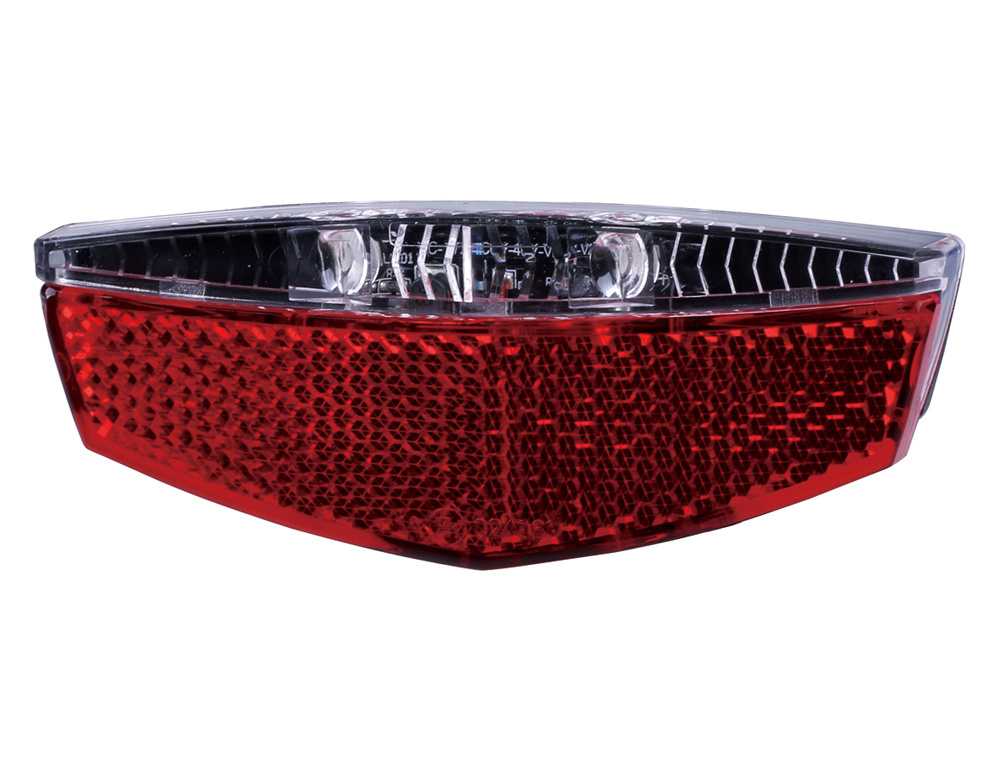
Relevant news