


2024-01-06 15:00:00.619
The Evolution of Safety Triangles: From Basic to Advanced
Table of Contents:
1. Introduction
2. The Early Days: Basic Road Safety Tools
3. Advancements in Reflective Technology
4. Compact and Portable Designs for Convenience
5. Integration of LED Lights for Enhanced Visibility
6. Smart Safety Triangles: The Future of Traffic Safety
7. Frequently Asked Questions (FAQs)
8. Conclusion
Road safety is a paramount concern for both drivers and pedestrians. Over the years, various tools and devices have been developed to enhance safety on the roads. One such device, the safety triangle, has undergone significant transformations and improvements to become an essential component of traffic safety. In this article, we will delve into the evolution of safety triangles, exploring their journey from basic road safety tools to advanced solutions that revolutionize traffic safety.
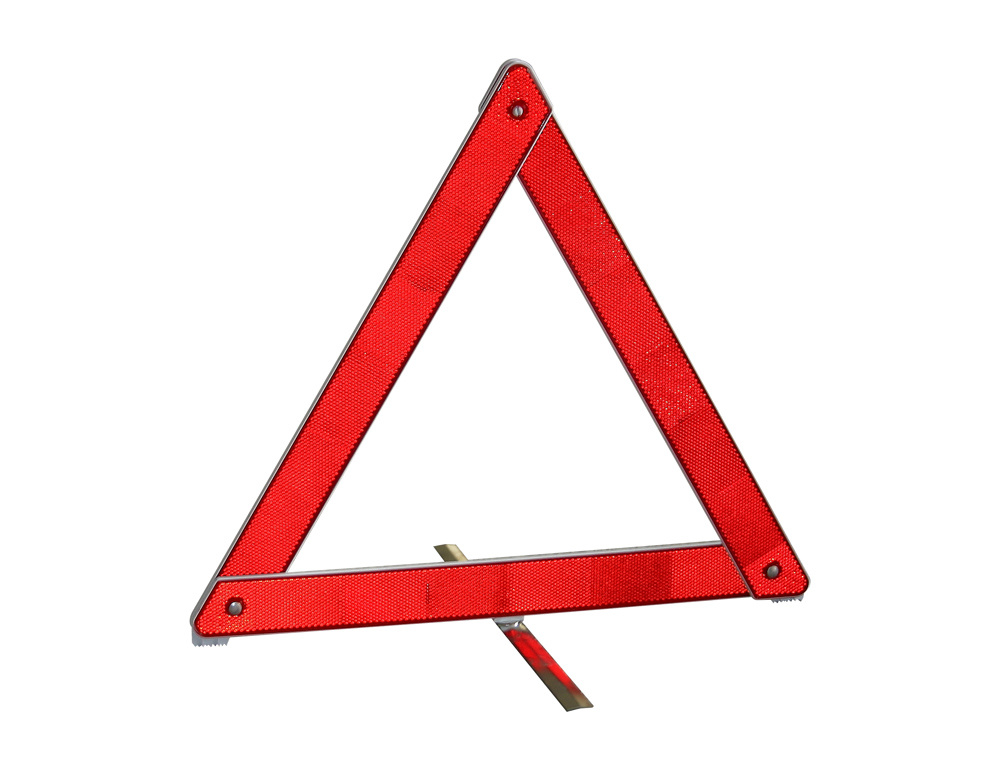
In the early days, safety triangles were simple and straightforward. They consisted of three reflective panels connected by hinges, forming a triangular shape. These panels were typically made of metal for durability and painted in vibrant colors for increased visibility. Basic safety triangles were manually deployed by drivers in the event of a breakdown or accident, warning approaching drivers to proceed with caution.
As road safety standards improved and technology advanced, safety triangles underwent significant upgrades. Reflective technology played a crucial role in enhancing their effectiveness. Traditional reflective materials were replaced with advanced retroreflective materials, such as microprismatic and glass bead materials. These materials significantly improved the visibility of safety triangles both during the day and at night, reducing the risk of accidents and collisions.
To meet the growing demands of modern drivers, safety triangle manufacturers started focusing on developing compact and portable designs. These innovative designs allowed drivers to easily store safety triangles in their vehicles without occupying excessive space. The introduction of foldable and collapsible safety triangles further enhanced their convenience, enabling quick deployment without any complicated assembly.
The integration of LED lights marked a significant milestone in the evolution of safety triangles. LED lights provided superior visibility, even in adverse weather conditions and low light environments. These illuminated safety triangles quickly captured attention and alerted approaching drivers to potential hazards on the road. The use of LED lights also increased the overall lifespan of safety triangles, reducing the need for frequent replacements.
With the advent of smart technology, safety triangles have evolved even further. Smart safety triangles are equipped with advanced features such as GPS tracking, automatic deployment systems, and connectivity to mobile devices. These intelligent devices can provide real-time alerts to emergency services, offering swift assistance in case of accidents or breakdowns. The integration of smart safety triangles into smart city infrastructure holds great potential for optimizing traffic flow and reducing response times during emergencies.
Q1: How do safety triangles work?
A1: Safety triangles alert approaching drivers to potential hazards on the road by providing a visible warning sign. They reflect light from vehicle headlights, enhancing visibility both during the day and at night.
Q2: Are safety triangles a legal requirement?
A2: Safety triangle regulations vary by country. However, in many jurisdictions, safety triangles are mandatory for commercial vehicles and recommended for all drivers to ensure road safety.
Q3: How far should safety triangles be placed from the vehicle?
A3: It is recommended to place safety triangles at least 50 meters behind the vehicle to provide ample warning to approaching drivers.
Q4: Can safety triangles be used in all weather conditions?
A4: Yes, modern safety triangles are designed to withstand various weather conditions and remain highly visible even in adverse environments.
Q5: What are the advantages of using smart safety triangles?
A5: Smart safety triangles offer enhanced features such as GPS tracking, automatic deployment systems, and connectivity to emergency services, ensuring swift assistance during accidents or breakdowns.
The evolution of safety triangles has transformed these basic road safety tools into advanced solutions that significantly contribute to traffic safety. From their humble beginnings as manually deployed reflective panels, safety triangles have come a long way. The integration of reflective technology, compact designs, LED lights, and smart features has revolutionized their effectiveness and convenience. As we embrace the future of traffic safety, it is essential to recognize the vital role safety triangles play in protecting lives on the roads.
1. Introduction
2. The Early Days: Basic Road Safety Tools
3. Advancements in Reflective Technology
4. Compact and Portable Designs for Convenience
5. Integration of LED Lights for Enhanced Visibility
6. Smart Safety Triangles: The Future of Traffic Safety
7. Frequently Asked Questions (FAQs)
8. Conclusion
1. Introduction
Road safety is a paramount concern for both drivers and pedestrians. Over the years, various tools and devices have been developed to enhance safety on the roads. One such device, the safety triangle, has undergone significant transformations and improvements to become an essential component of traffic safety. In this article, we will delve into the evolution of safety triangles, exploring their journey from basic road safety tools to advanced solutions that revolutionize traffic safety.
2. The Early Days: Basic Road Safety Tools
In the early days, safety triangles were simple and straightforward. They consisted of three reflective panels connected by hinges, forming a triangular shape. These panels were typically made of metal for durability and painted in vibrant colors for increased visibility. Basic safety triangles were manually deployed by drivers in the event of a breakdown or accident, warning approaching drivers to proceed with caution.
3. Advancements in Reflective Technology
As road safety standards improved and technology advanced, safety triangles underwent significant upgrades. Reflective technology played a crucial role in enhancing their effectiveness. Traditional reflective materials were replaced with advanced retroreflective materials, such as microprismatic and glass bead materials. These materials significantly improved the visibility of safety triangles both during the day and at night, reducing the risk of accidents and collisions.
4. Compact and Portable Designs for Convenience
To meet the growing demands of modern drivers, safety triangle manufacturers started focusing on developing compact and portable designs. These innovative designs allowed drivers to easily store safety triangles in their vehicles without occupying excessive space. The introduction of foldable and collapsible safety triangles further enhanced their convenience, enabling quick deployment without any complicated assembly.
5. Integration of LED Lights for Enhanced Visibility
The integration of LED lights marked a significant milestone in the evolution of safety triangles. LED lights provided superior visibility, even in adverse weather conditions and low light environments. These illuminated safety triangles quickly captured attention and alerted approaching drivers to potential hazards on the road. The use of LED lights also increased the overall lifespan of safety triangles, reducing the need for frequent replacements.
6. Smart Safety Triangles: The Future of Traffic Safety
With the advent of smart technology, safety triangles have evolved even further. Smart safety triangles are equipped with advanced features such as GPS tracking, automatic deployment systems, and connectivity to mobile devices. These intelligent devices can provide real-time alerts to emergency services, offering swift assistance in case of accidents or breakdowns. The integration of smart safety triangles into smart city infrastructure holds great potential for optimizing traffic flow and reducing response times during emergencies.
7. Frequently Asked Questions (FAQs)
Q1: How do safety triangles work?
A1: Safety triangles alert approaching drivers to potential hazards on the road by providing a visible warning sign. They reflect light from vehicle headlights, enhancing visibility both during the day and at night.
Q2: Are safety triangles a legal requirement?
A2: Safety triangle regulations vary by country. However, in many jurisdictions, safety triangles are mandatory for commercial vehicles and recommended for all drivers to ensure road safety.
Q3: How far should safety triangles be placed from the vehicle?
A3: It is recommended to place safety triangles at least 50 meters behind the vehicle to provide ample warning to approaching drivers.
Q4: Can safety triangles be used in all weather conditions?
A4: Yes, modern safety triangles are designed to withstand various weather conditions and remain highly visible even in adverse environments.
Q5: What are the advantages of using smart safety triangles?
A5: Smart safety triangles offer enhanced features such as GPS tracking, automatic deployment systems, and connectivity to emergency services, ensuring swift assistance during accidents or breakdowns.
8. Conclusion
The evolution of safety triangles has transformed these basic road safety tools into advanced solutions that significantly contribute to traffic safety. From their humble beginnings as manually deployed reflective panels, safety triangles have come a long way. The integration of reflective technology, compact designs, LED lights, and smart features has revolutionized their effectiveness and convenience. As we embrace the future of traffic safety, it is essential to recognize the vital role safety triangles play in protecting lives on the roads.
keyword:
safety triangle
Relevant news