


2024-01-08 16:00:24.851
Everything You Need to Know About Automotive Lamps
Introduction:
Automotive lamps play a crucial role in ensuring road safety by providing adequate illumination for vehicles. In this article, we will delve into the world of automotive lamps, specifically focusing on lamp types and their importance in the automotive industry. Whether you are a car enthusiast or simply curious about the subject, this guide will provide you with the necessary insights into automotive lighting technology.
1. Understanding Automotive Lamps:
Automotive lamps are essential components of a vehicle's lighting system. They are designed to provide lighting solutions for various purposes, including enhancing visibility, signaling intentions, and ensuring road safety. These lamps are specifically engineered to withstand the challenging conditions encountered on the road, such as vibrations, temperature fluctuations, and external elements.
2. Types of Automotive Lamps:
There are several types of automotive lamps, each serving a specific purpose. Some common types include:
a. Headlights: Headlights are the primary lamps used for illuminating the road ahead. They come in different variants, such as halogen, LED, and HID (High-Intensity Discharge) lamps. These lamps offer different levels of brightness, energy efficiency, and lifespan.
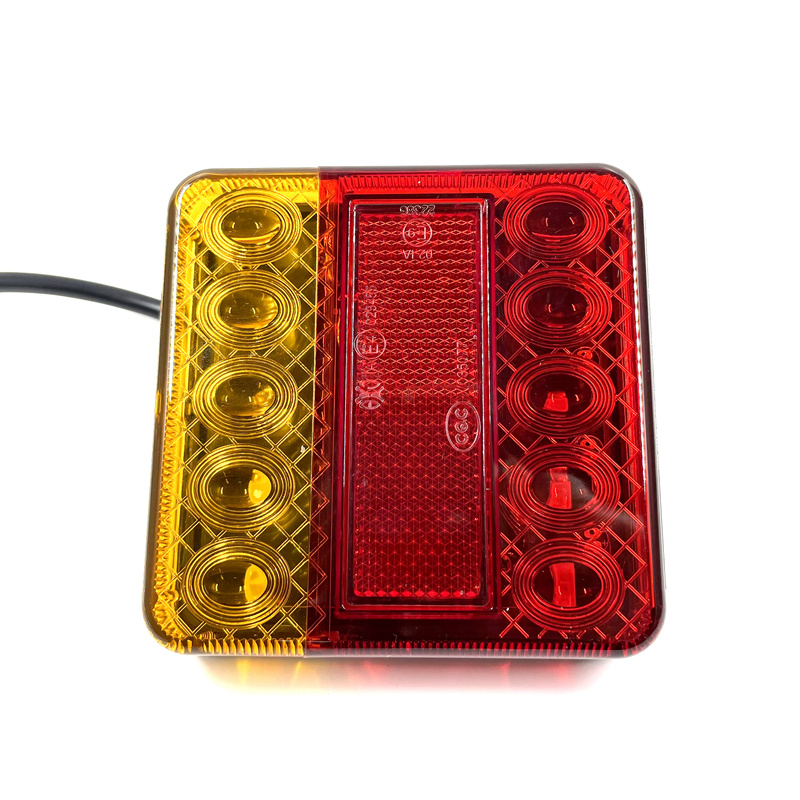
b. Taillights: Taillights are positioned at the rear of the vehicle and serve as signaling lamps. They indicate the presence, position, and intentions of the vehicle to other road users. LED taillights have gained popularity due to their energy efficiency and faster response time.
c. Brake Lights: Brake lights activate when the driver applies the brakes, warning drivers behind of a deceleration. Similar to taillights, LED brake lights have become increasingly common due to their brightness and longer lifespan.
d. Turn Signal Lights: These lamps are used to indicate a vehicle's intention to turn or change lanes. They are typically mounted on the front and rear corners of the vehicle and provide crucial information to other road users.
e. Fog Lights: Fog lights are designed to improve visibility during foggy or misty conditions. They emit a wide, low beam pattern that helps drivers see the road more clearly. LED fog lights are preferred for their energy efficiency and enhanced performance.
3. Importance of Automotive Lamps:
Automotive lamps play a significant role in road safety. Adequate lighting allows drivers to see and be seen, reducing the risk of accidents. Properly functioning lamps ensure clear visibility, making it easier for drivers to navigate roads and react to potential hazards. Additionally, the use of advanced lamp technologies, such as LED lamps, not only improves visibility but also contributes to energy savings and environmental sustainability.
Conclusion:
Automotive lamps are crucial components of a vehicle's lighting system, providing essential visibility and safety on the road. Understanding the different types of automotive lamps and their functions empowers drivers to make informed choices when it comes to their vehicle's lighting needs. By embracing advanced lamp technologies, such as LED lamps, drivers can enhance their driving experience while contributing to a safer and more sustainable automotive industry.
keyword:
lamp automotive
Relevant news