


2024-01-12 12:00:46.987
Choosing the Right Safety Triangle for Your Vehicle
Table of Contents:
1. Introduction
2. Understanding the Significance of Safety Triangles
3. Factors to Consider When Choosing a Safety Triangle
4. Different Types of Safety Triangles and Their Features
5. How to Properly Install and Use a Safety Triangle
6. Frequently Asked Questions (FAQs) About Safety Triangles
7. Conclusion
1. Introduction
Welcome to our comprehensive guide on choosing the right safety triangle for your vehicle. In this article, we will delve into the importance of safety triangles, factors to consider when making a selection, different types available, proper installation and usage, and answer some frequently asked questions. By the end, you will have all the necessary knowledge to ensure optimal road safety for yourself and others.
2. Understanding the Significance of Safety Triangles
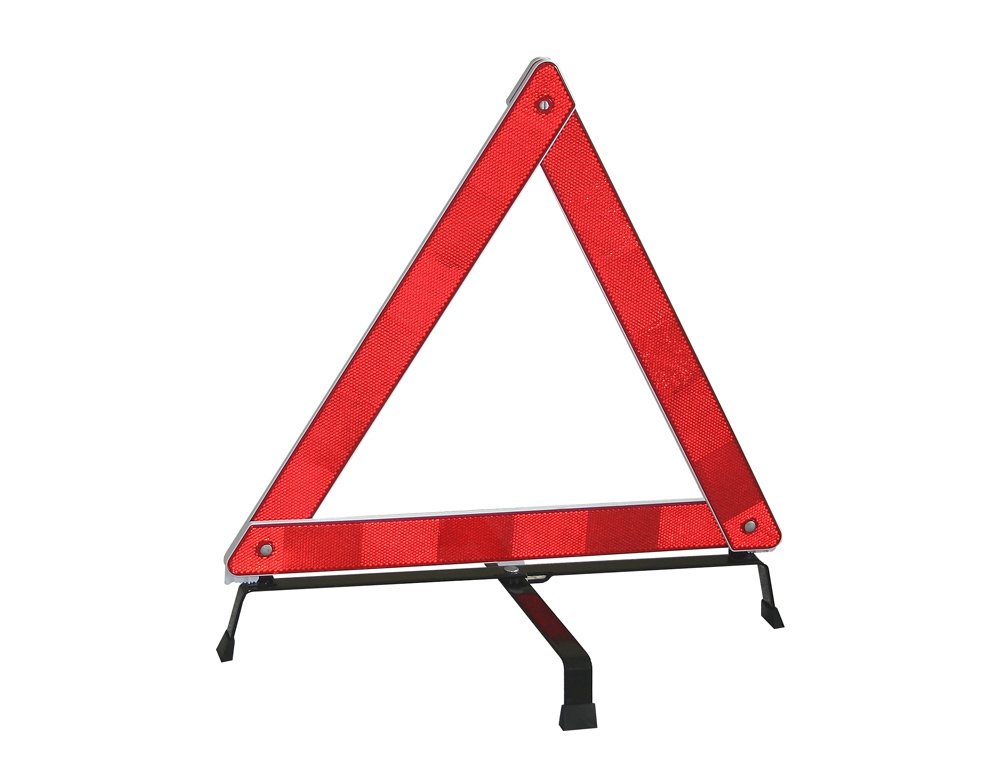
Safety triangles, also known as warning triangles or road flares, are essential safety devices designed to alert other drivers of a stationary or disabled vehicle. They serve as a visual warning to approaching traffic, notifying them of a potential hazard ahead. By placing a safety triangle correctly, you significantly reduce the risk of accidents and improve the safety of everyone on the road.
3. Factors to Consider When Choosing a Safety Triangle
When selecting a safety triangle, it is crucial to consider several factors to ensure you make the right choice. These factors include:
- Visibility: Opt for a safety triangle that offers high visibility, especially during adverse weather conditions or at night.
- Durability: Choose a triangle made from durable materials that can withstand various weather conditions and last for an extended period.
- Compactness: Look for a triangle that is compact and easy to store in your vehicle without taking up too much space.
- Compliance: Ensure the safety triangle meets the relevant safety standards and regulations in your region.
4. Different Types of Safety Triangles and Their Features
There are various types of safety triangles available in the market, each with its unique features. Some common types include:
- Reflective Triangles: These triangles use reflective materials to enhance visibility, making them suitable for nighttime use.
- LED Triangles: Equipped with LED lights, these triangles provide enhanced visibility and are particularly effective in low-light conditions.
- Foldable Triangles: These triangles can be easily folded and stored in a compact manner, making them a convenient option for vehicles with limited storage space.
- Heavy-Duty Triangles: Designed for heavy-duty vehicles, these triangles are sturdier and more durable to withstand rugged conditions.
5. How to Properly Install and Use a Safety Triangle
To ensure the effectiveness and maximum safety provided by a safety triangle, it is essential to follow the correct installation and usage guidelines. Here are some key steps to keep in mind:
- Park your vehicle on the side of the road, away from moving traffic.
- Retrieve the safety triangle from its storage location.
- Unfold or set up the triangle, ensuring it stands firmly on the ground.
- Place the triangle at a suitable distance behind your vehicle, ideally around 50 to 100 feet away.
- Activate any additional features, such as lights, if your safety triangle includes them.
- Return to your vehicle and remain inside, with hazard lights on, until assistance arrives.
6. Frequently Asked Questions (FAQs) About Safety Triangles
Q1: Are safety triangles mandatory?
A1: Safety triangle requirements vary by country and region. However, they are mandatory in many places and strongly recommended for all vehicles.
Q2: Can I use a safety triangle on a motorcycle?
A2: While safety triangles are primarily designed for larger vehicles, there are compact versions available specifically for motorcycles.
Q3: How long can I use a safety triangle before replacing it?
A3: It is recommended to replace safety triangles every 3 to 5 years, or sooner if they show signs of damage or wear.
Q4: Can I use a safety triangle in rainy or windy conditions?
A4: Yes, safety triangles are built to withstand various weather conditions, including rain and wind. However, exercise caution and ensure proper visibility.
Q5: Can I use a safety triangle on highways or high-speed roads?
A5: Safety triangles are effective on highways and high-speed roads but should be placed further away from the vehicle to give drivers ample time to react.
7. Conclusion
Choosing the right safety triangle for your vehicle is a critical step in ensuring road safety for yourself and others. By considering factors such as visibility, durability, and compliance, you can select a triangle that meets your specific needs. Remember to follow the correct installation and usage guidelines to maximize its effectiveness. Stay safe on the roads by equipping your vehicle with a reliable and properly installed safety triangle.
keyword:
safety triangle
Relevant news