


2024-01-14 12:21:01.143
Common Mistakes to Avoid When Setting Up Safety Triangles: A Comprehensive Guide for Ensuring Traffic Safety
Table of Contents:
1. Introduction: Understanding the Importance of Safety Triangles
2. The Role of Safety Triangles in Traffic Safety
3. Mistake #1: Incorrect Placement of Safety Triangles
4. Mistake #2: Neglecting to Use Safety Triangles in Low Visibility Conditions
5. Mistake #3: Using Worn-out or Damaged Safety Triangles
6. Mistake #4: Improperly Securing Safety Triangles
7. Mistake #5: Failing to Maintain Safety Triangles Regularly
8. Frequently Asked Questions (FAQs)
a. FAQ 1: How many safety triangles should I have in my vehicle?
b. FAQ 2: Can I use reflective tape as a substitute for safety triangles?
c. FAQ 3: Are safety triangles compulsory in all countries?
d. FAQ 4: How far apart should safety triangles be placed on the road?
e. FAQ 5: Are there any alternatives to safety triangles?
9. Conclusion
When it comes to road safety, every precautionary measure counts. Safety triangles play a crucial role in alerting other drivers of potential hazards on the road. This comprehensive guide aims to shed light on the common mistakes individuals make when setting up safety triangles, and it provides actionable tips to avoid such errors, ensuring the utmost safety for all motorists.
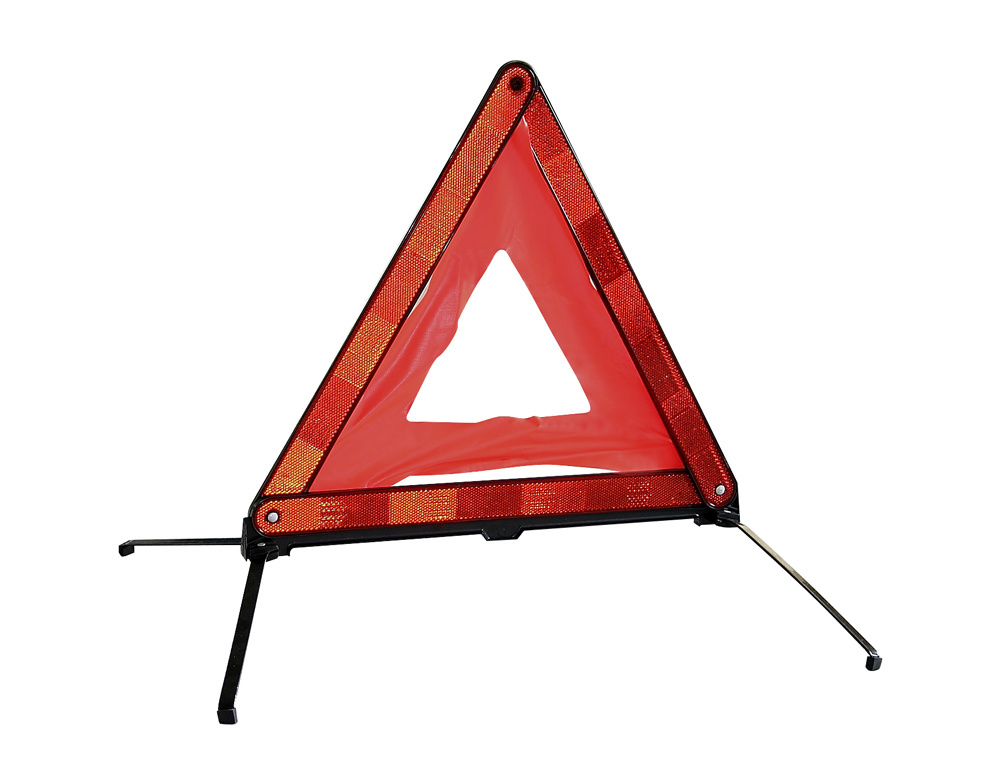
Safety triangles, also known as warning triangles or road flares, serve as essential safety equipment for vehicles. They are designed to warn other drivers of a stopped or disabled vehicle, especially in emergency situations. By providing a visible indicator of potential danger, safety triangles help prevent accidents and ensure the safety of both the stranded vehicle and passing traffic.
One of the most common mistakes individuals make when using safety triangles is incorrect placement. Placing safety triangles too close to the vehicle or too far away can reduce their effectiveness. It is important to follow the recommended guidelines provided by traffic safety authorities. Typically, safety triangles should be placed at least 50 feet behind the vehicle and spaced approximately 100 feet apart.
Using safety triangles becomes even more critical in low visibility conditions, such as fog, rain, or at night. Unfortunately, many drivers forget to deploy safety triangles during such circumstances, increasing the risk of accidents. To ensure maximum visibility, consider using additional reflective devices and turning on hazard lights in conjunction with safety triangles during adverse weather or low light conditions.
Regular inspection and maintenance of safety triangles are essential to ensure their effectiveness. Using worn-out or damaged safety triangles can hinder their visibility and compromise their ability to warn other drivers. It is crucial to check safety triangles for any signs of wear, such as fading reflective surfaces, cracks, or missing parts. Replace damaged triangles immediately to maintain optimal traffic safety.
Securing safety triangles firmly is vital for their stability and durability. Failing to do so may result in them being blown away by strong winds or displaced by passing vehicles, rendering them ineffective. Follow the manufacturer's instructions on how to secure safety triangles properly. Typically, this involves placing them on a flat surface, such as the road or ground, and using additional weights or stakes if necessary.
Like any safety equipment, safety triangles require regular maintenance to ensure their reliability. Periodically check the condition of safety triangles, clean them if necessary, and store them in a dry and easily accessible location. Performing routine inspections helps identify any issues early on and guarantees that safety triangles are always ready for use when needed.
It is advisable to have at least three safety triangles in your vehicle. This allows you to place one triangle at the rear of your vehicle and two triangles in front, forming a visual warning to oncoming traffic.
Reflective tape can enhance visibility, but it should not be used as a substitute for safety triangles. Safety triangles provide a three-dimensional warning, while reflective tape only offers two-dimensional visibility. It is recommended to have safety triangles as they are specifically designed for this purpose.
While safety triangle requirements may vary by country, many jurisdictions mandate the use of safety triangles in certain situations. It is essential to familiarize yourself with the traffic laws and regulations of the country you are driving in to ensure compliance.
Safety triangles should be placed approximately 100 feet apart on the road. This spacing allows approaching drivers ample time to recognize the hazard and make necessary adjustments to their driving.
Some countries may permit the use of alternative warning devices, such as LED flares or collapsible traffic cones. However, safety triangles remain the most widely recognized and recommended warning devices due to their effectiveness and visibility.
Setting up safety triangles correctly is crucial for maintaining traffic safety and preventing accidents. By avoiding common mistakes like incorrect placement, neglecting to use them in low visibility conditions, using worn-out triangles, improper securing, and failing to maintain them regularly, you can ensure optimal effectiveness. Remember, adhering to safety guidelines and regulations is essential for keeping both yourself and others safe on the roads. Stay alert, follow best practices, and make road safety a priority every time you set up safety triangles.
1. Introduction: Understanding the Importance of Safety Triangles
2. The Role of Safety Triangles in Traffic Safety
3. Mistake #1: Incorrect Placement of Safety Triangles
4. Mistake #2: Neglecting to Use Safety Triangles in Low Visibility Conditions
5. Mistake #3: Using Worn-out or Damaged Safety Triangles
6. Mistake #4: Improperly Securing Safety Triangles
7. Mistake #5: Failing to Maintain Safety Triangles Regularly
8. Frequently Asked Questions (FAQs)
a. FAQ 1: How many safety triangles should I have in my vehicle?
b. FAQ 2: Can I use reflective tape as a substitute for safety triangles?
c. FAQ 3: Are safety triangles compulsory in all countries?
d. FAQ 4: How far apart should safety triangles be placed on the road?
e. FAQ 5: Are there any alternatives to safety triangles?
9. Conclusion
1. Introduction: Understanding the Importance of Safety Triangles
When it comes to road safety, every precautionary measure counts. Safety triangles play a crucial role in alerting other drivers of potential hazards on the road. This comprehensive guide aims to shed light on the common mistakes individuals make when setting up safety triangles, and it provides actionable tips to avoid such errors, ensuring the utmost safety for all motorists.
2. The Role of Safety Triangles in Traffic Safety
Safety triangles, also known as warning triangles or road flares, serve as essential safety equipment for vehicles. They are designed to warn other drivers of a stopped or disabled vehicle, especially in emergency situations. By providing a visible indicator of potential danger, safety triangles help prevent accidents and ensure the safety of both the stranded vehicle and passing traffic.
3. Mistake #1: Incorrect Placement of Safety Triangles
One of the most common mistakes individuals make when using safety triangles is incorrect placement. Placing safety triangles too close to the vehicle or too far away can reduce their effectiveness. It is important to follow the recommended guidelines provided by traffic safety authorities. Typically, safety triangles should be placed at least 50 feet behind the vehicle and spaced approximately 100 feet apart.
4. Mistake #2: Neglecting to Use Safety Triangles in Low Visibility Conditions
Using safety triangles becomes even more critical in low visibility conditions, such as fog, rain, or at night. Unfortunately, many drivers forget to deploy safety triangles during such circumstances, increasing the risk of accidents. To ensure maximum visibility, consider using additional reflective devices and turning on hazard lights in conjunction with safety triangles during adverse weather or low light conditions.
5. Mistake #3: Using Worn-out or Damaged Safety Triangles
Regular inspection and maintenance of safety triangles are essential to ensure their effectiveness. Using worn-out or damaged safety triangles can hinder their visibility and compromise their ability to warn other drivers. It is crucial to check safety triangles for any signs of wear, such as fading reflective surfaces, cracks, or missing parts. Replace damaged triangles immediately to maintain optimal traffic safety.
6. Mistake #4: Improperly Securing Safety Triangles
Securing safety triangles firmly is vital for their stability and durability. Failing to do so may result in them being blown away by strong winds or displaced by passing vehicles, rendering them ineffective. Follow the manufacturer's instructions on how to secure safety triangles properly. Typically, this involves placing them on a flat surface, such as the road or ground, and using additional weights or stakes if necessary.
7. Mistake #5: Failing to Maintain Safety Triangles Regularly
Like any safety equipment, safety triangles require regular maintenance to ensure their reliability. Periodically check the condition of safety triangles, clean them if necessary, and store them in a dry and easily accessible location. Performing routine inspections helps identify any issues early on and guarantees that safety triangles are always ready for use when needed.
8. Frequently Asked Questions (FAQs)
FAQ 1: How many safety triangles should I have in my vehicle?
It is advisable to have at least three safety triangles in your vehicle. This allows you to place one triangle at the rear of your vehicle and two triangles in front, forming a visual warning to oncoming traffic.
FAQ 2: Can I use reflective tape as a substitute for safety triangles?
Reflective tape can enhance visibility, but it should not be used as a substitute for safety triangles. Safety triangles provide a three-dimensional warning, while reflective tape only offers two-dimensional visibility. It is recommended to have safety triangles as they are specifically designed for this purpose.
FAQ 3: Are safety triangles compulsory in all countries?
While safety triangle requirements may vary by country, many jurisdictions mandate the use of safety triangles in certain situations. It is essential to familiarize yourself with the traffic laws and regulations of the country you are driving in to ensure compliance.
FAQ 4: How far apart should safety triangles be placed on the road?
Safety triangles should be placed approximately 100 feet apart on the road. This spacing allows approaching drivers ample time to recognize the hazard and make necessary adjustments to their driving.
FAQ 5: Are there any alternatives to safety triangles?
Some countries may permit the use of alternative warning devices, such as LED flares or collapsible traffic cones. However, safety triangles remain the most widely recognized and recommended warning devices due to their effectiveness and visibility.
9. Conclusion
Setting up safety triangles correctly is crucial for maintaining traffic safety and preventing accidents. By avoiding common mistakes like incorrect placement, neglecting to use them in low visibility conditions, using worn-out triangles, improper securing, and failing to maintain them regularly, you can ensure optimal effectiveness. Remember, adhering to safety guidelines and regulations is essential for keeping both yourself and others safe on the roads. Stay alert, follow best practices, and make road safety a priority every time you set up safety triangles.
keyword:
safety triangle
Relevant news