


2024-01-21 18:00:00.671
Ensuring Nighttime Visibility with Reflective Safety Triangles: A Comprehensive Guide
Table of Contents:
H1: Introduction
H2: Understanding the Importance of Nighttime Visibility
H3: The Benefits of Reflective Safety Triangles
H4: Enhancing Road Safety with Reflective Safety Triangles
H2: Choosing the Right Reflective Safety Triangles
H3: Understanding Traffic Regulations and Compliance
H3: Factors to Consider When Selecting Reflective Safety Triangles
H4: Reflective Material Quality and Durability
H4: Size and Placement of Reflective Safety Triangles
H4: Easy Set-up and Portability
H4: Visibility Range and Angle
H3: Additional Features for Enhanced Safety
H2: Proper Usage and Maintenance of Reflective Safety Triangles
H3: Setting Up Reflective Safety Triangles Correctly
H3: Inspecting and Cleaning Reflective Safety Triangles
H2: Frequently Asked Questions (FAQs)
FAQ 1: Are reflective safety triangles mandatory for all vehicles?
FAQ 2: How many reflective safety triangles should I carry?
FAQ 3: Can reflective safety triangles be used during daytime?
FAQ 4: What is the ideal distance between each reflective safety triangle?
FAQ 5: Can reflective safety triangles be used in adverse weather conditions?
H1: Conclusion
H1: Introduction
Nighttime visibility plays a crucial role in road safety. As drivers, it is our responsibility to ensure maximum visibility to avoid accidents and potential hazards. Reflective safety triangles are an essential tool that can significantly enhance visibility, especially during nighttime emergency situations.
H2: Understanding the Importance of Nighttime Visibility
In low-light conditions, such as during nighttime or in areas with poor street lighting, visibility becomes a challenge for drivers and other road users. The lack of visibility increases the risk of collisions, especially in emergency situations. Reflective safety triangles act as a beacon, alerting approaching drivers about potential dangers ahead.
H3: The Benefits of Reflective Safety Triangles
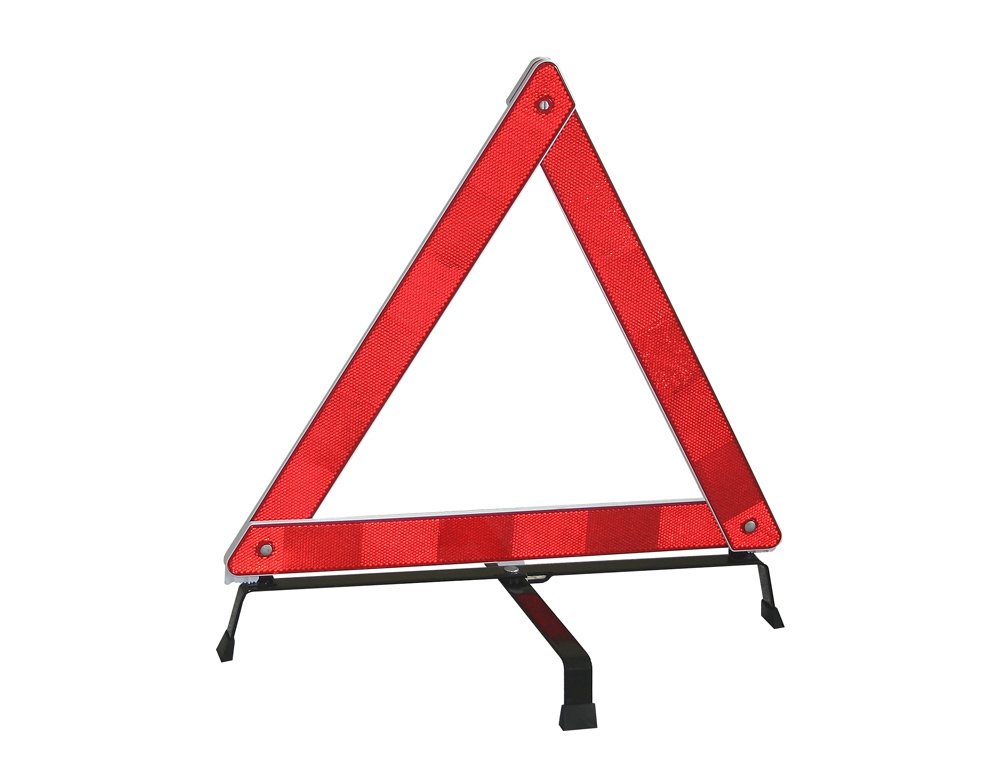
Reflective safety triangles offer numerous benefits that contribute to road safety. Firstly, their reflective material ensures they are highly visible, even from a distance. This allows drivers to spot them early and take necessary precautions. Secondly, their triangular shape helps create a clear and distinct signal to attract attention effectively. Lastly, reflective safety triangles are lightweight, portable, and easy to set up, making them ideal for emergency situations.
H4: Enhancing Road Safety with Reflective Safety Triangles
Reflective safety triangles are known for their ability to enhance road safety. When placed correctly, they create a visual warning for approaching drivers, giving them ample time to slow down and maneuver safely. By using reflective safety triangles, drivers can minimize the risk of accidents and protect themselves, their passengers, and other road users.
H2: Choosing the Right Reflective Safety Triangles
To ensure optimal visibility and comply with traffic regulations, it's essential to choose the right reflective safety triangles. Consider the following factors when making your selection.
H3: Understanding Traffic Regulations and Compliance
Different regions may have specific requirements regarding the use of reflective safety triangles. Familiarize yourself with the local traffic regulations to ensure compliance. This ensures that you choose reflective safety triangles that meet the necessary standards.
H3: Factors to Consider When Selecting Reflective Safety Triangles
When choosing reflective safety triangles, several factors come into play.
H4: Reflective Material Quality and Durability
Opt for reflective safety triangles made from high-quality, durable materials. Ensure they meet the necessary standards for reflectivity and can withstand various weather conditions.
H4: Size and Placement of Reflective Safety Triangles
Choose reflective safety triangles that are large enough to be easily visible from a distance. Consider the specific placement requirements outlined in traffic regulations to ensure optimal effectiveness.
H4: Easy Set-up and Portability
Look for reflective safety triangles that are easy to set up and portable. This ensures you can quickly deploy them in emergency situations without wasting precious time.
H4: Visibility Range and Angle
Consider the visibility range and angle offered by the reflective safety triangles. Opt for ones that provide a wide range of visibility, allowing approaching drivers to see them from different angles and distances.
H3: Additional Features for Enhanced Safety
Some reflective safety triangles may offer additional features for enhanced safety. These can include built-in LED lights, reflective borders, or high-visibility colors. Assess your specific needs and preferences before making a final decision.
H2: Proper Usage and Maintenance of Reflective Safety Triangles
To maximize the effectiveness of reflective safety triangles, it's crucial to use and maintain them correctly.
H3: Setting Up Reflective Safety Triangles Correctly
Follow the manufacturer's instructions to set up reflective safety triangles correctly. Ensure they are placed at the appropriate distance and angle to provide optimal visibility to oncoming drivers.
H3: Inspecting and Cleaning Reflective Safety Triangles
Regularly inspect reflective safety triangles for any signs of wear or damage. Clean them as recommended by the manufacturer to maintain their reflective properties and longevity.
H2: Frequently Asked Questions (FAQs)
FAQ 1: Are reflective safety triangles mandatory for all vehicles?
FAQ 2: How many reflective safety triangles should I carry?
FAQ 3: Can reflective safety triangles be used during daytime?
FAQ 4: What is the ideal distance between each reflective safety triangle?
FAQ 5: Can reflective safety triangles be used in adverse weather conditions?
H1: Conclusion
Ensuring nighttime visibility is vital for road safety, and reflective safety triangles are an indispensable tool to achieve this. By choosing the right reflective safety triangles, properly using and maintaining them, and complying with traffic regulations, we can significantly reduce the risk of accidents and protect ourselves and others on the road. Stay safe and prioritize visibility – it can save lives!
H1: Introduction
H2: Understanding the Importance of Nighttime Visibility
H3: The Benefits of Reflective Safety Triangles
H4: Enhancing Road Safety with Reflective Safety Triangles
H2: Choosing the Right Reflective Safety Triangles
H3: Understanding Traffic Regulations and Compliance
H3: Factors to Consider When Selecting Reflective Safety Triangles
H4: Reflective Material Quality and Durability
H4: Size and Placement of Reflective Safety Triangles
H4: Easy Set-up and Portability
H4: Visibility Range and Angle
H3: Additional Features for Enhanced Safety
H2: Proper Usage and Maintenance of Reflective Safety Triangles
H3: Setting Up Reflective Safety Triangles Correctly
H3: Inspecting and Cleaning Reflective Safety Triangles
H2: Frequently Asked Questions (FAQs)
FAQ 1: Are reflective safety triangles mandatory for all vehicles?
FAQ 2: How many reflective safety triangles should I carry?
FAQ 3: Can reflective safety triangles be used during daytime?
FAQ 4: What is the ideal distance between each reflective safety triangle?
FAQ 5: Can reflective safety triangles be used in adverse weather conditions?
H1: Conclusion
H1: Introduction
Nighttime visibility plays a crucial role in road safety. As drivers, it is our responsibility to ensure maximum visibility to avoid accidents and potential hazards. Reflective safety triangles are an essential tool that can significantly enhance visibility, especially during nighttime emergency situations.
H2: Understanding the Importance of Nighttime Visibility
In low-light conditions, such as during nighttime or in areas with poor street lighting, visibility becomes a challenge for drivers and other road users. The lack of visibility increases the risk of collisions, especially in emergency situations. Reflective safety triangles act as a beacon, alerting approaching drivers about potential dangers ahead.
H3: The Benefits of Reflective Safety Triangles
Reflective safety triangles offer numerous benefits that contribute to road safety. Firstly, their reflective material ensures they are highly visible, even from a distance. This allows drivers to spot them early and take necessary precautions. Secondly, their triangular shape helps create a clear and distinct signal to attract attention effectively. Lastly, reflective safety triangles are lightweight, portable, and easy to set up, making them ideal for emergency situations.
H4: Enhancing Road Safety with Reflective Safety Triangles
Reflective safety triangles are known for their ability to enhance road safety. When placed correctly, they create a visual warning for approaching drivers, giving them ample time to slow down and maneuver safely. By using reflective safety triangles, drivers can minimize the risk of accidents and protect themselves, their passengers, and other road users.
H2: Choosing the Right Reflective Safety Triangles
To ensure optimal visibility and comply with traffic regulations, it's essential to choose the right reflective safety triangles. Consider the following factors when making your selection.
H3: Understanding Traffic Regulations and Compliance
Different regions may have specific requirements regarding the use of reflective safety triangles. Familiarize yourself with the local traffic regulations to ensure compliance. This ensures that you choose reflective safety triangles that meet the necessary standards.
H3: Factors to Consider When Selecting Reflective Safety Triangles
When choosing reflective safety triangles, several factors come into play.
H4: Reflective Material Quality and Durability
Opt for reflective safety triangles made from high-quality, durable materials. Ensure they meet the necessary standards for reflectivity and can withstand various weather conditions.
H4: Size and Placement of Reflective Safety Triangles
Choose reflective safety triangles that are large enough to be easily visible from a distance. Consider the specific placement requirements outlined in traffic regulations to ensure optimal effectiveness.
H4: Easy Set-up and Portability
Look for reflective safety triangles that are easy to set up and portable. This ensures you can quickly deploy them in emergency situations without wasting precious time.
H4: Visibility Range and Angle
Consider the visibility range and angle offered by the reflective safety triangles. Opt for ones that provide a wide range of visibility, allowing approaching drivers to see them from different angles and distances.
H3: Additional Features for Enhanced Safety
Some reflective safety triangles may offer additional features for enhanced safety. These can include built-in LED lights, reflective borders, or high-visibility colors. Assess your specific needs and preferences before making a final decision.
H2: Proper Usage and Maintenance of Reflective Safety Triangles
To maximize the effectiveness of reflective safety triangles, it's crucial to use and maintain them correctly.
H3: Setting Up Reflective Safety Triangles Correctly
Follow the manufacturer's instructions to set up reflective safety triangles correctly. Ensure they are placed at the appropriate distance and angle to provide optimal visibility to oncoming drivers.
H3: Inspecting and Cleaning Reflective Safety Triangles
Regularly inspect reflective safety triangles for any signs of wear or damage. Clean them as recommended by the manufacturer to maintain their reflective properties and longevity.
H2: Frequently Asked Questions (FAQs)
FAQ 1: Are reflective safety triangles mandatory for all vehicles?
FAQ 2: How many reflective safety triangles should I carry?
FAQ 3: Can reflective safety triangles be used during daytime?
FAQ 4: What is the ideal distance between each reflective safety triangle?
FAQ 5: Can reflective safety triangles be used in adverse weather conditions?
H1: Conclusion
Ensuring nighttime visibility is vital for road safety, and reflective safety triangles are an indispensable tool to achieve this. By choosing the right reflective safety triangles, properly using and maintaining them, and complying with traffic regulations, we can significantly reduce the risk of accidents and protect ourselves and others on the road. Stay safe and prioritize visibility – it can save lives!
keyword:
safety triangle
Relevant news