


2024-01-23 15:20:13.142
The Role of Bicycle Reflectors in Preventing Accidents: Enhancing Safety on the Roads
Table of Contents
1. Introduction: Understanding the Significance of Bicycle Reflectors
2. How Bicycle Reflectors Enhance Visibility and Prevent Accidents
3. Types of Bicycle Reflectors: Exploring the Options
4. Proper Installation of Bicycle Reflectors for Optimal Safety
5. The Importance of Reflectors in Low-Light Conditions
6. Compliance with Regulations: Understanding Bicycle Reflectors Laws
7. Frequently Asked Questions (FAQs) about Bicycle Reflectors
8. Conclusion: Emphasizing the Vital Role of Bicycle Reflectors
Bicycle reflectors are essential safety devices that help enhance the visibility of cyclists on the roads. By reflecting light from other sources, such as vehicle headlights, street lamps, or even the moon, bicycle reflectors make it easier for other road users to detect and avoid collisions with cyclists. In this article, we will explore the vital role that bicycle reflectors play in preventing accidents and promoting overall road safety.
Bicycle reflectors serve as highly effective tools in preventing accidents by increasing the visibility of cyclists. When light falls on the reflectors, they bounce it back towards its source, making the cyclist more visible to drivers, pedestrians, and other road users. Reflectors significantly reduce the chances of accidents caused by the failure to spot a cyclist in time, especially in low-light conditions or when riding through dimly lit areas.
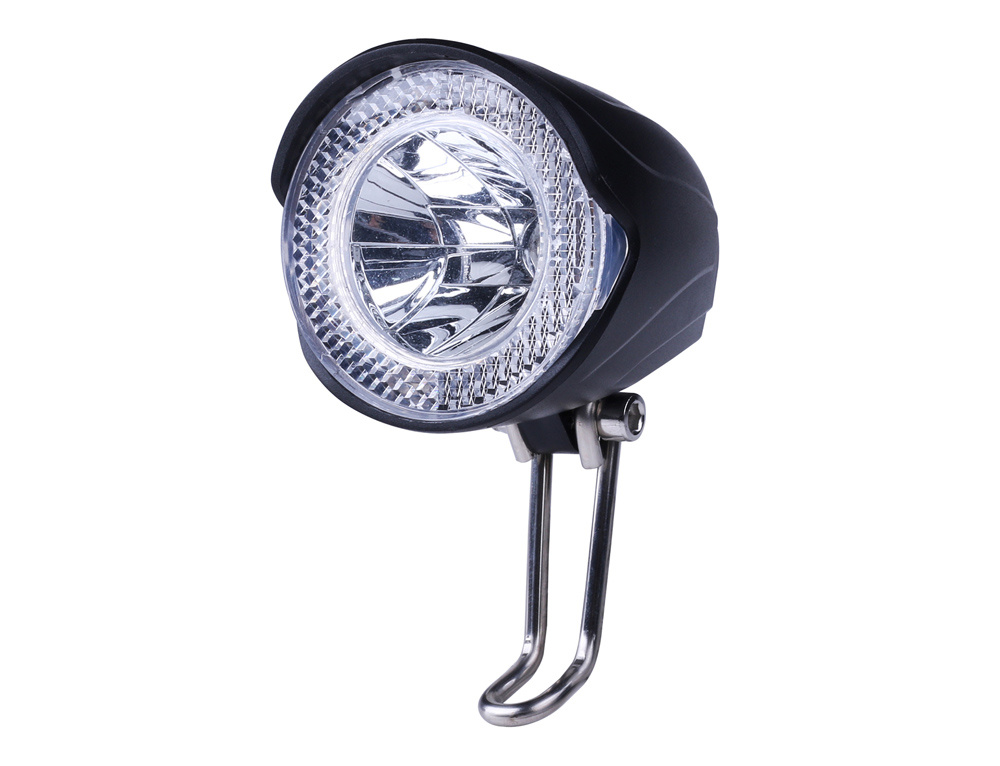
There are various types of bicycle reflectors available in the market, each designed to serve a specific purpose. The most common types include spoke reflectors, pedal reflectors, frame-mounted reflectors, and reflectors integrated into the front and rear of the bicycle. Spoke reflectors are attached to the spokes of the wheels, while pedal reflectors are fixed on the pedals to maximize visibility from the sides. Frame-mounted reflectors are typically placed on the front and rear portions of the bicycle frame, while integrated reflectors are built into the bicycle lights.
To ensure maximum safety, it is crucial to install bicycle reflectors correctly. Improper installation or neglecting to use reflectors altogether can significantly reduce their effectiveness. It is recommended to follow the manufacturer's instructions while installing reflectors and regularly inspect them for any damage or misalignment. Properly installed reflectors should be securely attached to the bicycle, properly aligned, and free from any obstructions that may hinder their visibility.
Reflectors play an even more critical role during low-light conditions, such as dusk, dawn, or nighttime. These periods pose a higher risk for cyclists due to reduced visibility. Bicycle reflectors, when combined with appropriate lighting such as front and rear bicycle lights, significantly enhance a cyclist's visibility to others on the road. The strategic placement of reflectors on different parts of the bicycle ensures 360-degree visibility, allowing motorists and pedestrians to spot cyclists from any angle.
To promote road safety, many countries have specific regulations regarding the use of bicycle reflectors. These regulations often outline the minimum requirements for reflector types, their placement, and the number of reflectors required. Familiarizing oneself with the local laws and adhering to them is essential to avoid legal consequences and, more importantly, to ensure personal safety. Cyclists should make it a priority to check and comply with the relevant reflector regulations in their region.
Q1: Are bicycle reflectors mandatory for all cyclists?
Q2: Can I rely solely on reflectors for visibility during nighttime cycling?
Q3: Do I need to replace my bicycle reflectors periodically?
Q4: Are there any alternatives to traditional bicycle reflectors?
Q5: Can I customize the placement of my bicycle reflectors?
In conclusion, bicycle reflectors play a crucial role in preventing accidents and enhancing the safety of cyclists on the roads. Their ability to increase visibility, especially during low-light conditions, significantly reduces the risk of collisions and improves overall road safety. By understanding the various types of reflectors available, properly installing them, and complying with relevant regulations, cyclists can ensure a safer riding experience for themselves and others. Make bicycle reflectors an integral part of your gear and contribute to a safer cycling environment for all.
1. Introduction: Understanding the Significance of Bicycle Reflectors
2. How Bicycle Reflectors Enhance Visibility and Prevent Accidents
3. Types of Bicycle Reflectors: Exploring the Options
4. Proper Installation of Bicycle Reflectors for Optimal Safety
5. The Importance of Reflectors in Low-Light Conditions
6. Compliance with Regulations: Understanding Bicycle Reflectors Laws
7. Frequently Asked Questions (FAQs) about Bicycle Reflectors
8. Conclusion: Emphasizing the Vital Role of Bicycle Reflectors
1. Introduction: Understanding the Significance of Bicycle Reflectors
Bicycle reflectors are essential safety devices that help enhance the visibility of cyclists on the roads. By reflecting light from other sources, such as vehicle headlights, street lamps, or even the moon, bicycle reflectors make it easier for other road users to detect and avoid collisions with cyclists. In this article, we will explore the vital role that bicycle reflectors play in preventing accidents and promoting overall road safety.
2. How Bicycle Reflectors Enhance Visibility and Prevent Accidents
Bicycle reflectors serve as highly effective tools in preventing accidents by increasing the visibility of cyclists. When light falls on the reflectors, they bounce it back towards its source, making the cyclist more visible to drivers, pedestrians, and other road users. Reflectors significantly reduce the chances of accidents caused by the failure to spot a cyclist in time, especially in low-light conditions or when riding through dimly lit areas.
3. Types of Bicycle Reflectors: Exploring the Options
There are various types of bicycle reflectors available in the market, each designed to serve a specific purpose. The most common types include spoke reflectors, pedal reflectors, frame-mounted reflectors, and reflectors integrated into the front and rear of the bicycle. Spoke reflectors are attached to the spokes of the wheels, while pedal reflectors are fixed on the pedals to maximize visibility from the sides. Frame-mounted reflectors are typically placed on the front and rear portions of the bicycle frame, while integrated reflectors are built into the bicycle lights.
4. Proper Installation of Bicycle Reflectors for Optimal Safety
To ensure maximum safety, it is crucial to install bicycle reflectors correctly. Improper installation or neglecting to use reflectors altogether can significantly reduce their effectiveness. It is recommended to follow the manufacturer's instructions while installing reflectors and regularly inspect them for any damage or misalignment. Properly installed reflectors should be securely attached to the bicycle, properly aligned, and free from any obstructions that may hinder their visibility.
5. The Importance of Reflectors in Low-Light Conditions
Reflectors play an even more critical role during low-light conditions, such as dusk, dawn, or nighttime. These periods pose a higher risk for cyclists due to reduced visibility. Bicycle reflectors, when combined with appropriate lighting such as front and rear bicycle lights, significantly enhance a cyclist's visibility to others on the road. The strategic placement of reflectors on different parts of the bicycle ensures 360-degree visibility, allowing motorists and pedestrians to spot cyclists from any angle.
6. Compliance with Regulations: Understanding Bicycle Reflectors Laws
To promote road safety, many countries have specific regulations regarding the use of bicycle reflectors. These regulations often outline the minimum requirements for reflector types, their placement, and the number of reflectors required. Familiarizing oneself with the local laws and adhering to them is essential to avoid legal consequences and, more importantly, to ensure personal safety. Cyclists should make it a priority to check and comply with the relevant reflector regulations in their region.
7. Frequently Asked Questions (FAQs) about Bicycle Reflectors
Q1: Are bicycle reflectors mandatory for all cyclists?
Q2: Can I rely solely on reflectors for visibility during nighttime cycling?
Q3: Do I need to replace my bicycle reflectors periodically?
Q4: Are there any alternatives to traditional bicycle reflectors?
Q5: Can I customize the placement of my bicycle reflectors?
8. Conclusion: Emphasizing the Vital Role of Bicycle Reflectors
In conclusion, bicycle reflectors play a crucial role in preventing accidents and enhancing the safety of cyclists on the roads. Their ability to increase visibility, especially during low-light conditions, significantly reduces the risk of collisions and improves overall road safety. By understanding the various types of reflectors available, properly installing them, and complying with relevant regulations, cyclists can ensure a safer riding experience for themselves and others. Make bicycle reflectors an integral part of your gear and contribute to a safer cycling environment for all.
keyword:
Bicycle reflector
Relevant news