


2024-01-27 15:40:55.884
Choosing the Right Automotive Lamp for Your Vehicle
Introduction:
When it comes to automotive lighting, finding the right lamp that suits your vehicle is crucial. The right choice ensures enhanced visibility, increased safety, and a stylish appearance. In this article, we will explore key factors to consider when selecting automotive lamps, helping you make an informed decision for your vehicle.
1. Understanding Automotive Lamp Types:
Automotive lamps come in various types, including halogen, LED, and HID/Xenon. Each type offers distinct advantages. Halogen lamps, widely used and cost-effective, provide a warm white light. LED lamps are energy-efficient, have a longer lifespan, and offer brighter illumination. HID/Xenon lamps produce intense, bluish-white light, providing better visibility at night.
2. Consider the Purpose:
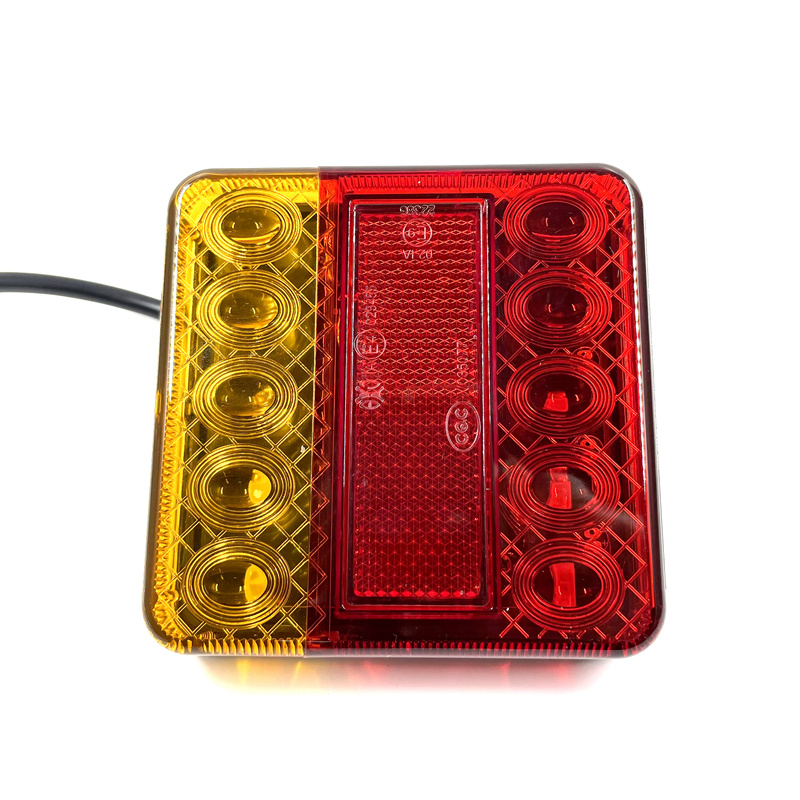
Different automotive lamps serve different purposes. Headlights provide illumination for night driving and should comply with legal regulations. Fog lights are designed to cut through fog, rain, or snow, improving visibility in adverse weather conditions. Tail lights, brake lights, and turn signals ensure your vehicle's visibility to other drivers.
3. Compatibility with Vehicle Make and Model:
Ensure the selected automotive lamp is compatible with your vehicle's make and model. This compatibility ensures proper fitment and optimal performance. Consult your vehicle's manual or seek professional advice to determine the appropriate lamp size and specifications.
4. Brightness and Color Temperature:
Consider the brightness and color temperature of the automotive lamp. Brightness is measured in lumens, with higher lumens indicating brighter light output. Color temperature determines the lamp's hue, with warmer tones (around 3000K) providing a yellowish light, and cooler tones (5000K-6000K) offering a whiter, bluish light.
5. Energy Efficiency:
Opt for automotive lamps that offer energy efficiency. LED lamps are renowned for their low power consumption and can significantly reduce strain on the vehicle's electrical system. This efficiency not only benefits the environment but also prolongs your vehicle's battery life.
Conclusion:
Selecting the right automotive lamp for your vehicle is crucial for optimal visibility, safety, and aesthetic appeal. Consider the lamp type, purpose, compatibility, brightness, color temperature, and energy efficiency when making your decision. Enhance your driving experience by choosing a reliable automotive lamp that complements your vehicle's style and meets your lighting requirements.
keyword:
lamp automotive
Relevant news