


2024-01-29 13:40:46.511
How to Choose Bicycle Reflectors for Increased Visibility
Table of Contents:
1. Introduction: The Importance of Bicycle Reflectors
2. Types of Bicycle Reflectors
2.1 Front Reflectors
2.2 Rear Reflectors
2.3 Pedal Reflectors
3. Choosing the Right Type of Bicycle Reflectors
3.1 Reflectivity Standards and Regulations
3.2 Consideration for Riding Conditions
4. Installation Methods for Bicycle Reflectors
4.1 Clip-On Reflectors
4.2 Screw-On Reflectors
4.3 Adhesive Reflectors
5. Placement Techniques for Bicycle Reflectors
5.1 Front Reflectors Placement
5.2 Rear Reflectors Placement
5.3 Pedal Reflectors Placement
6. Maintenance and Care for Bicycle Reflectors
7. Frequently Asked Questions (FAQs)
7.1 How many reflectors should my bicycle have?
7.2 Are there any alternatives to reflectors for increased visibility?
7.3 Can I use reflective tape instead of reflectors?
7.4 Are there any specific reflector requirements for nighttime cycling?
7.5 How often should I replace my bicycle reflectors?
8. Conclusion: Enhance Your Cycling Safety with Reflectors
1. Introduction: The Importance of Bicycle Reflectors
Cycling safety is paramount, and one essential aspect is ensuring your visibility on the road. Bicycle reflectors play a crucial role in alerting other road users to your presence, especially during low-light conditions or at night. By choosing the right reflectors and correctly installing them, you can significantly enhance your safety while riding.
2. Types of Bicycle Reflectors
2.1 Front Reflectors
Front reflectors are typically attached to the bicycle's handlebars or forks, facing forward. They help increase your visibility to oncoming traffic and pedestrians, ensuring they can spot you from a distance.
2.2 Rear Reflectors
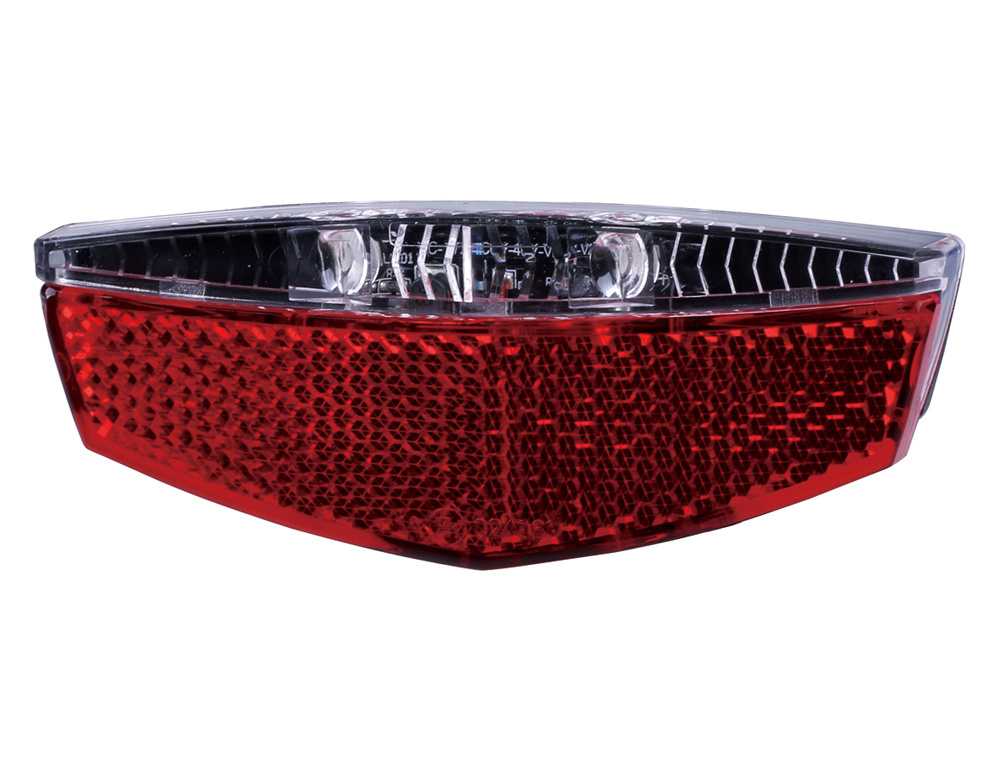
Rear reflectors are usually mounted on the bicycle's seat post or rear rack. These reflectors face backward, alerting vehicles approaching from behind to your presence on the road.
2.3 Pedal Reflectors
Pedal reflectors are integrated into the pedals of your bicycle. They enhance visibility by reflecting light from different angles, making it easier for others to notice your presence, especially at intersections.
3. Choosing the Right Type of Bicycle Reflectors
3.1 Reflectivity Standards and Regulations
When selecting bicycle reflectors, it's essential to ensure they meet the required reflectivity standards and regulations in your region. Look for reflectors that comply with local traffic laws to guarantee maximum visibility.
3.2 Consideration for Riding Conditions
Consider the riding conditions you typically encounter. If you frequently cycle during low-light situations or at night, opt for reflectors with higher reflectivity levels. Reflectors with multiple angles of reflection, such as prismatic reflectors, can be particularly effective in these scenarios.
4. Installation Methods for Bicycle Reflectors
4.1 Clip-On Reflectors
Clip-on reflectors are convenient and easy to install. They often come with a simple mounting mechanism that allows you to attach them securely to your bicycle without the need for additional tools.
4.2 Screw-On Reflectors
Screw-on reflectors provide a more permanent installation solution. They usually require attaching brackets or threaded holes on the bicycle frame or components. Screw-on reflectors offer added stability and are less likely to detach during rides.
4.3 Adhesive Reflectors
Adhesive reflectors offer a versatile installation option, as they can be attached to various parts of the bicycle using strong adhesive backing. Ensure that the surface where you plan to attach adhesive reflectors is clean and dry for optimal adhesion.
5. Placement Techniques for Bicycle Reflectors
5.1 Front Reflectors Placement
For front reflectors, position them on the handlebars or forks in a location that ensures maximum visibility from the front. Avoid obstructing the reflector's view and make sure it is securely attached to prevent any unwanted movement.
5.2 Rear Reflectors Placement
Mount rear reflectors on the bicycle's seat post or rear rack, facing backward. Place them at a height that allows approaching vehicles to spot you easily. It is crucial to position the reflector where it won't be hidden by any bags or accessories you may have on your bicycle.
5.3 Pedal Reflectors Placement
Pedal reflectors are already integrated into the pedals, ensuring visibility from various angles. However, it is essential to periodically check their condition and ensure they remain securely attached to the pedal bodies.
6. Maintenance and Care for Bicycle Reflectors
Regularly inspect your bicycle reflectors to ensure they are clean and undamaged. Clean them using a mild detergent and a soft cloth, removing any dirt or grime that may diminish their reflective properties. Replace any reflectors that show signs of wear or damage to maintain optimal visibility.
7. Frequently Asked Questions (FAQs)
7.1 How many reflectors should my bicycle have?
The number of reflectors required may vary depending on your local regulations. However, it is generally recommended to have at least a front reflector, a rear reflector, and pedal reflectors for enhanced visibility.
7.2 Are there any alternatives to reflectors for increased visibility?
In addition to reflectors, other visibility-enhancing accessories include reflective clothing, reflective tape, and bicycle lights. These can further improve your visibility on the road.
7.3 Can I use reflective tape instead of reflectors?
While reflective tape can enhance visibility, it is advisable to use both reflectors and reflective tape for optimal safety. Reflectors have a specific shape and orientation, ensuring they reflect light effectively from different angles.
7.4 Are there any specific reflector requirements for nighttime cycling?
Nighttime cycling often requires higher visibility. Consider using reflectors with higher reflectivity levels and multiple angles of reflection, such as prismatic reflectors, for maximum effectiveness.
7.5 How often should I replace my bicycle reflectors?
Regularly inspect your reflectors for any signs of wear or damage. If they become dull, cracked, or no longer reflect light effectively, it is time to replace them to maintain your visibility and safety.
8. Conclusion: Enhance Your Cycling Safety with Reflectors
Choosing the right bicycle reflectors and implementing proper installation and placement techniques is crucial for increasing your visibility and ensuring a safer cycling experience. By following the guidelines outlined in this article, you can select the appropriate reflectors and optimize their effectiveness for improved visibility on the road. Stay safe and enjoy your rides with enhanced visibility!
1. Introduction: The Importance of Bicycle Reflectors
2. Types of Bicycle Reflectors
2.1 Front Reflectors
2.2 Rear Reflectors
2.3 Pedal Reflectors
3. Choosing the Right Type of Bicycle Reflectors
3.1 Reflectivity Standards and Regulations
3.2 Consideration for Riding Conditions
4. Installation Methods for Bicycle Reflectors
4.1 Clip-On Reflectors
4.2 Screw-On Reflectors
4.3 Adhesive Reflectors
5. Placement Techniques for Bicycle Reflectors
5.1 Front Reflectors Placement
5.2 Rear Reflectors Placement
5.3 Pedal Reflectors Placement
6. Maintenance and Care for Bicycle Reflectors
7. Frequently Asked Questions (FAQs)
7.1 How many reflectors should my bicycle have?
7.2 Are there any alternatives to reflectors for increased visibility?
7.3 Can I use reflective tape instead of reflectors?
7.4 Are there any specific reflector requirements for nighttime cycling?
7.5 How often should I replace my bicycle reflectors?
8. Conclusion: Enhance Your Cycling Safety with Reflectors
1. Introduction: The Importance of Bicycle Reflectors
Cycling safety is paramount, and one essential aspect is ensuring your visibility on the road. Bicycle reflectors play a crucial role in alerting other road users to your presence, especially during low-light conditions or at night. By choosing the right reflectors and correctly installing them, you can significantly enhance your safety while riding.
2. Types of Bicycle Reflectors
2.1 Front Reflectors
Front reflectors are typically attached to the bicycle's handlebars or forks, facing forward. They help increase your visibility to oncoming traffic and pedestrians, ensuring they can spot you from a distance.
2.2 Rear Reflectors
Rear reflectors are usually mounted on the bicycle's seat post or rear rack. These reflectors face backward, alerting vehicles approaching from behind to your presence on the road.
2.3 Pedal Reflectors
Pedal reflectors are integrated into the pedals of your bicycle. They enhance visibility by reflecting light from different angles, making it easier for others to notice your presence, especially at intersections.
3. Choosing the Right Type of Bicycle Reflectors
3.1 Reflectivity Standards and Regulations
When selecting bicycle reflectors, it's essential to ensure they meet the required reflectivity standards and regulations in your region. Look for reflectors that comply with local traffic laws to guarantee maximum visibility.
3.2 Consideration for Riding Conditions
Consider the riding conditions you typically encounter. If you frequently cycle during low-light situations or at night, opt for reflectors with higher reflectivity levels. Reflectors with multiple angles of reflection, such as prismatic reflectors, can be particularly effective in these scenarios.
4. Installation Methods for Bicycle Reflectors
4.1 Clip-On Reflectors
Clip-on reflectors are convenient and easy to install. They often come with a simple mounting mechanism that allows you to attach them securely to your bicycle without the need for additional tools.
4.2 Screw-On Reflectors
Screw-on reflectors provide a more permanent installation solution. They usually require attaching brackets or threaded holes on the bicycle frame or components. Screw-on reflectors offer added stability and are less likely to detach during rides.
4.3 Adhesive Reflectors
Adhesive reflectors offer a versatile installation option, as they can be attached to various parts of the bicycle using strong adhesive backing. Ensure that the surface where you plan to attach adhesive reflectors is clean and dry for optimal adhesion.
5. Placement Techniques for Bicycle Reflectors
5.1 Front Reflectors Placement
For front reflectors, position them on the handlebars or forks in a location that ensures maximum visibility from the front. Avoid obstructing the reflector's view and make sure it is securely attached to prevent any unwanted movement.
5.2 Rear Reflectors Placement
Mount rear reflectors on the bicycle's seat post or rear rack, facing backward. Place them at a height that allows approaching vehicles to spot you easily. It is crucial to position the reflector where it won't be hidden by any bags or accessories you may have on your bicycle.
5.3 Pedal Reflectors Placement
Pedal reflectors are already integrated into the pedals, ensuring visibility from various angles. However, it is essential to periodically check their condition and ensure they remain securely attached to the pedal bodies.
6. Maintenance and Care for Bicycle Reflectors
Regularly inspect your bicycle reflectors to ensure they are clean and undamaged. Clean them using a mild detergent and a soft cloth, removing any dirt or grime that may diminish their reflective properties. Replace any reflectors that show signs of wear or damage to maintain optimal visibility.
7. Frequently Asked Questions (FAQs)
7.1 How many reflectors should my bicycle have?
The number of reflectors required may vary depending on your local regulations. However, it is generally recommended to have at least a front reflector, a rear reflector, and pedal reflectors for enhanced visibility.
7.2 Are there any alternatives to reflectors for increased visibility?
In addition to reflectors, other visibility-enhancing accessories include reflective clothing, reflective tape, and bicycle lights. These can further improve your visibility on the road.
7.3 Can I use reflective tape instead of reflectors?
While reflective tape can enhance visibility, it is advisable to use both reflectors and reflective tape for optimal safety. Reflectors have a specific shape and orientation, ensuring they reflect light effectively from different angles.
7.4 Are there any specific reflector requirements for nighttime cycling?
Nighttime cycling often requires higher visibility. Consider using reflectors with higher reflectivity levels and multiple angles of reflection, such as prismatic reflectors, for maximum effectiveness.
7.5 How often should I replace my bicycle reflectors?
Regularly inspect your reflectors for any signs of wear or damage. If they become dull, cracked, or no longer reflect light effectively, it is time to replace them to maintain your visibility and safety.
8. Conclusion: Enhance Your Cycling Safety with Reflectors
Choosing the right bicycle reflectors and implementing proper installation and placement techniques is crucial for increasing your visibility and ensuring a safer cycling experience. By following the guidelines outlined in this article, you can select the appropriate reflectors and optimize their effectiveness for improved visibility on the road. Stay safe and enjoy your rides with enhanced visibility!
keyword:
Bicycle reflector
Relevant news