


2024-02-05 16:00:41.357
Stay Seen, Stay Safe: The Importance of Bicycle Reflectors
Table of Contents:
1. Introduction: Enhancing Safety with Bicycle Reflectors
2. The Benefits of Bicycle Reflectors
3. Types of Bicycle Reflectors
3.1 Front Reflectors
3.2 Rear Reflectors
3.3 Wheel Reflectors
3.4 Pedal Reflectors
4. Choosing the Right Bicycle Reflectors
4.1 Legal Requirements
4.2 Visibility Considerations
4.3 Easy Installation
5. Frequently Asked Questions (FAQs)
5.1 Why are bicycle reflectors important?
5.2 Can I use other accessories instead of reflectors?
5.3 Are there any specific regulations for bicycle reflectors?
5.4 How should I clean and maintain my bicycle reflectors?
5.5 Can I enhance my visibility further?
6. Conclusion
1. Introduction: Enhancing Safety with Bicycle Reflectors
As avid cyclists, we understand the significance of safety on the roads. Whether you ride during the day or night, it is essential to ensure you are visible to motorists and pedestrians alike. One crucial component that enhances your visibility is bicycle reflectors. In this article, we will delve into the importance of bicycle reflectors, their benefits, various types, how to choose the right ones, and answer some frequently asked questions. Let's dive in!
2. The Benefits of Bicycle Reflectors
Bicycle reflectors serve as a beacon of light, making you more visible to others, especially in low-light conditions. By reflecting light back towards its source, they make it easier for motorists and pedestrians to spot you from a distance. This increased visibility reduces the chances of accidents and enhances your overall safety on the roads.
3. Types of Bicycle Reflectors
3.1 Front Reflectors
Front reflectors are typically mounted on the handlebars or the front fork of bicycles. They emit light forward, making you visible to oncoming traffic. These reflectors are essential for alerting motorists and pedestrians to your presence, especially in dimly lit areas or during dusk or dawn rides.
3.2 Rear Reflectors
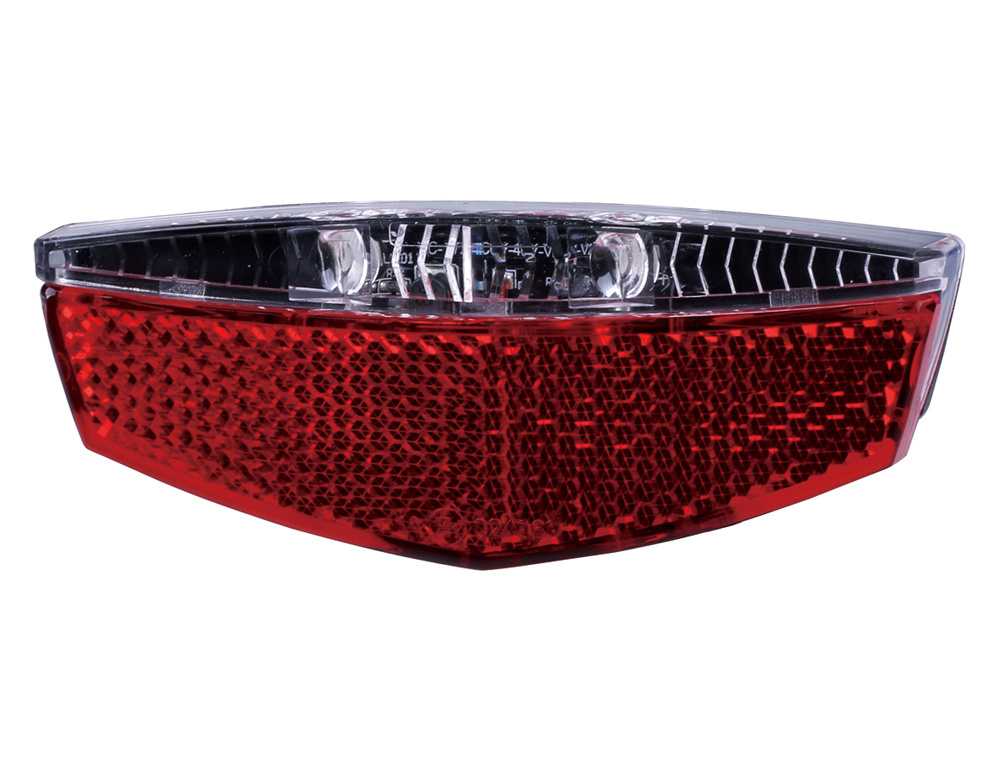
Mounted on the rear of the bike, these reflectors emit light backward, indicating your position to vehicles approaching from behind. Rear reflectors are crucial for preventing rear-end collisions, particularly in low-light conditions or on poorly lit roads.
3.3 Wheel Reflectors
Wheel reflectors are attached to the spokes of your bicycle wheels. As the wheels rotate, they create a moving light display, grabbing attention from all angles. These reflectors greatly enhance your visibility, making you easily distinguishable even from the side.
3.4 Pedal Reflectors
Pedal reflectors are attached to the pedals of your bicycle. They create a reflective surface that catches light, ensuring that your pedal movements are visible to others. These reflectors play a vital role in preventing accidents caused by unexpected pedal movements, especially during nighttime rides.
4. Choosing the Right Bicycle Reflectors
4.1 Legal Requirements
Before purchasing bicycle reflectors, it is crucial to familiarize yourself with the legal requirements in your area. Different jurisdictions may have specific regulations regarding the type and placement of reflectors on bicycles. Ensuring compliance with these regulations will not only keep you safe but also prevent any potential legal consequences.
4.2 Visibility Considerations
When selecting bicycle reflectors, consider the visibility they offer. Opt for reflectors that have high reflectivity, ensuring they effectively catch and reflect light. Reflectors with wide-angle visibility are also preferable as they increase the chances of being seen from various directions.
4.3 Easy Installation
Choose bicycle reflectors that are easy to install and securely attach to your bike. Look for reflectors that come with mounting brackets or adhesive backing, allowing for hassle-free installation. This ensures that your reflectors remain in place and provide consistent visibility during your rides.
5. Frequently Asked Questions (FAQs)
5.1 Why are bicycle reflectors important?
Bicycle reflectors are crucial for enhancing your visibility on the roads, significantly reducing the risk of accidents. They serve as a passive safety measure, alerting motorists and pedestrians to your presence even in low-light conditions.
5.2 Can I use other accessories instead of reflectors?
While there are other accessories available that enhance visibility, such as lights and reflective clothing, bicycle reflectors are essential as they provide a constant source of visibility even when not relying on active lighting.
5.3 Are there any specific regulations for bicycle reflectors?
Yes, different jurisdictions have specific regulations regarding the use of bicycle reflectors. It is important to familiarize yourself with these regulations to ensure compliance and optimal safety.
5.4 How should I clean and maintain my bicycle reflectors?
To maintain the reflectivity of your bicycle reflectors, clean them regularly with mild soapy water and a soft cloth. Avoid using abrasive materials or harsh chemicals that can damage the reflective surfaces.
5.5 Can I enhance my visibility further?
In addition to bicycle reflectors, you can further enhance your visibility by incorporating active lighting, such as front and rear bicycle lights. Wearing reflective clothing and using reflective accessories can also significantly increase your visibility to others.
6. Conclusion
When it comes to road safety, bicycle reflectors are an indispensable tool for every cyclist. By maximizing your visibility, they reduce the risk of accidents and ensure a safer riding experience. Choose the right reflectors based on legal requirements, visibility considerations, and ease of installation. Stay seen, stay safe, and enjoy your rides with the peace of mind that bicycle reflectors provide.
1. Introduction: Enhancing Safety with Bicycle Reflectors
2. The Benefits of Bicycle Reflectors
3. Types of Bicycle Reflectors
3.1 Front Reflectors
3.2 Rear Reflectors
3.3 Wheel Reflectors
3.4 Pedal Reflectors
4. Choosing the Right Bicycle Reflectors
4.1 Legal Requirements
4.2 Visibility Considerations
4.3 Easy Installation
5. Frequently Asked Questions (FAQs)
5.1 Why are bicycle reflectors important?
5.2 Can I use other accessories instead of reflectors?
5.3 Are there any specific regulations for bicycle reflectors?
5.4 How should I clean and maintain my bicycle reflectors?
5.5 Can I enhance my visibility further?
6. Conclusion
1. Introduction: Enhancing Safety with Bicycle Reflectors
As avid cyclists, we understand the significance of safety on the roads. Whether you ride during the day or night, it is essential to ensure you are visible to motorists and pedestrians alike. One crucial component that enhances your visibility is bicycle reflectors. In this article, we will delve into the importance of bicycle reflectors, their benefits, various types, how to choose the right ones, and answer some frequently asked questions. Let's dive in!
2. The Benefits of Bicycle Reflectors
Bicycle reflectors serve as a beacon of light, making you more visible to others, especially in low-light conditions. By reflecting light back towards its source, they make it easier for motorists and pedestrians to spot you from a distance. This increased visibility reduces the chances of accidents and enhances your overall safety on the roads.
3. Types of Bicycle Reflectors
3.1 Front Reflectors
Front reflectors are typically mounted on the handlebars or the front fork of bicycles. They emit light forward, making you visible to oncoming traffic. These reflectors are essential for alerting motorists and pedestrians to your presence, especially in dimly lit areas or during dusk or dawn rides.
3.2 Rear Reflectors
Mounted on the rear of the bike, these reflectors emit light backward, indicating your position to vehicles approaching from behind. Rear reflectors are crucial for preventing rear-end collisions, particularly in low-light conditions or on poorly lit roads.
3.3 Wheel Reflectors
Wheel reflectors are attached to the spokes of your bicycle wheels. As the wheels rotate, they create a moving light display, grabbing attention from all angles. These reflectors greatly enhance your visibility, making you easily distinguishable even from the side.
3.4 Pedal Reflectors
Pedal reflectors are attached to the pedals of your bicycle. They create a reflective surface that catches light, ensuring that your pedal movements are visible to others. These reflectors play a vital role in preventing accidents caused by unexpected pedal movements, especially during nighttime rides.
4. Choosing the Right Bicycle Reflectors
4.1 Legal Requirements
Before purchasing bicycle reflectors, it is crucial to familiarize yourself with the legal requirements in your area. Different jurisdictions may have specific regulations regarding the type and placement of reflectors on bicycles. Ensuring compliance with these regulations will not only keep you safe but also prevent any potential legal consequences.
4.2 Visibility Considerations
When selecting bicycle reflectors, consider the visibility they offer. Opt for reflectors that have high reflectivity, ensuring they effectively catch and reflect light. Reflectors with wide-angle visibility are also preferable as they increase the chances of being seen from various directions.
4.3 Easy Installation
Choose bicycle reflectors that are easy to install and securely attach to your bike. Look for reflectors that come with mounting brackets or adhesive backing, allowing for hassle-free installation. This ensures that your reflectors remain in place and provide consistent visibility during your rides.
5. Frequently Asked Questions (FAQs)
5.1 Why are bicycle reflectors important?
Bicycle reflectors are crucial for enhancing your visibility on the roads, significantly reducing the risk of accidents. They serve as a passive safety measure, alerting motorists and pedestrians to your presence even in low-light conditions.
5.2 Can I use other accessories instead of reflectors?
While there are other accessories available that enhance visibility, such as lights and reflective clothing, bicycle reflectors are essential as they provide a constant source of visibility even when not relying on active lighting.
5.3 Are there any specific regulations for bicycle reflectors?
Yes, different jurisdictions have specific regulations regarding the use of bicycle reflectors. It is important to familiarize yourself with these regulations to ensure compliance and optimal safety.
5.4 How should I clean and maintain my bicycle reflectors?
To maintain the reflectivity of your bicycle reflectors, clean them regularly with mild soapy water and a soft cloth. Avoid using abrasive materials or harsh chemicals that can damage the reflective surfaces.
5.5 Can I enhance my visibility further?
In addition to bicycle reflectors, you can further enhance your visibility by incorporating active lighting, such as front and rear bicycle lights. Wearing reflective clothing and using reflective accessories can also significantly increase your visibility to others.
6. Conclusion
When it comes to road safety, bicycle reflectors are an indispensable tool for every cyclist. By maximizing your visibility, they reduce the risk of accidents and ensure a safer riding experience. Choose the right reflectors based on legal requirements, visibility considerations, and ease of installation. Stay seen, stay safe, and enjoy your rides with the peace of mind that bicycle reflectors provide.
keyword:
Bicycle reflector
Relevant news