


2024-02-06 15:40:04.332
The Ultimate Guide to Choosing and Installing Guardrail Reflectors
Table of Contents:
1.
2.
3.
4.
5.
6.
7.
8.
9.
10.
11.
12.
13.
14.
15.
16.
17.
18.
19.
20.
21.
Welcome to the ultimate guide on choosing and installing guardrail reflectors. In this comprehensive article, we will provide you with all the necessary information and tips to ensure that you make the best decisions for your guardrail reflector needs.
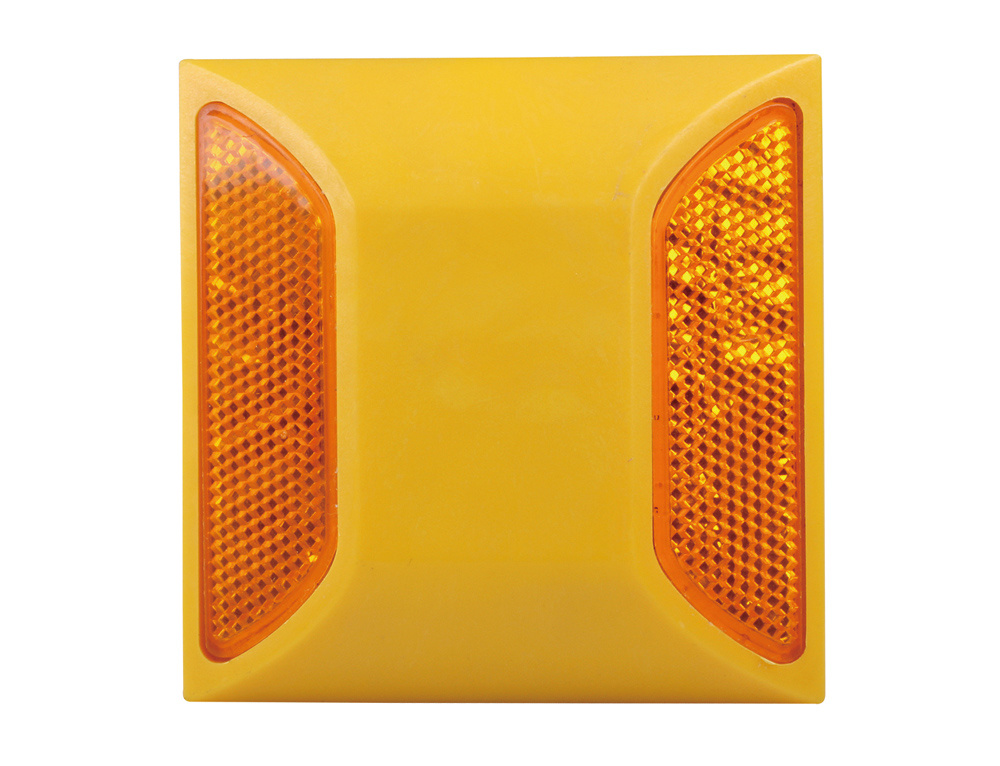
Guardrail reflectors play a crucial role in enhancing road safety by improving visibility and guiding drivers, especially during low light conditions or adverse weather. These reflective devices are installed on guardrails to make them highly visible and prevent accidents caused by poor visibility.
There are various types of guardrail reflectors available, each with its unique features and benefits. Here are three commonly used types:
Type 1 reflectors are made of glass beads or prismatic material and provide excellent visibility. They are designed to reflect light back to its source, making them highly effective even at long distances.
Type 2 reflectors are typically made of plastic and are known for their durability and weather resistance. They are cost-effective and offer good visibility in various conditions.
Type 3 reflectors are made of a combination of glass beads and prismatic material. These reflectors provide exceptional visibility and are often used in areas with high traffic volume or complex road layouts.
When selecting guardrail reflectors, it is essential to consider the following factors:
Ensure that the reflectors you choose have high visibility and reflectivity, especially during low light conditions or heavy rain. Look for reflectors that meet specific standards for reflectivity.
Guardrail reflectors should be able to withstand harsh weather conditions, including extreme temperatures, UV exposure, and heavy rainfall. Opt for reflectors that are made of durable materials and have proven weather resistance.
Consider the compatibility of the reflectors with the guardrail system you have in place. Ensure that the reflectors can be easily installed and securely attached to the guardrail without compromising their effectiveness.
Follow these steps to properly install guardrail reflectors:
Before starting the installation process, ensure you have the necessary tools and safety equipment. This may include reflective vests, gloves, and appropriate tools for attaching the reflectors.
Identify the areas along the guardrail where reflectors need to be installed. Consider factors such as road layout, visibility requirements, and any existing regulations or guidelines.
Attach the reflectors securely to the guardrail using the recommended method provided by the manufacturer. Ensure that they are aligned correctly and positioned at the right height for maximum visibility.
Here are some frequently asked questions about guardrail reflectors:
A: While regulations may vary, guardrail reflectors are often recommended or required by transportation authorities to ensure road safety and prevent accidents.
A: The longevity of guardrail reflectors depends on various factors such as the quality of materials used, installation method, and environmental conditions. High-quality reflectors can last for several years without significant deterioration.
A: Yes, guardrail reflectors can be customized with specific colors, logos, or patterns to meet individual requirements or branding needs. Customization options may vary depending on the manufacturer.
A: Guardrail reflectors generally require minimal maintenance. Regular visual inspections for damage or dislodgment, especially after severe weather events, are recommended. Replace any damaged or missing reflectors promptly.
A: Regulations regarding guardrail reflector installation may vary by region or country. It is crucial to consult local transportation authorities or adhere to specific guidelines to ensure compliance.
Choosing and installing guardrail reflectors is a critical step in ensuring road safety and preventing accidents. By understanding the different types of reflectors available, considering key factors during the selection process, and following proper installation procedures, you can make informed decisions and improve visibility on your roads and highways. Remember to comply with local regulations and guidelines to ensure the effectiveness and longevity of your guardrail reflectors. Stay safe and drive responsibly.
1.
Introduction
2.
Understanding the Importance of Guardrail Reflectors
3.
Different Types of Guardrail Reflectors
4.
Type 1 Reflectors
5.
Type 2 Reflectors
6.
Type 3 Reflectors
7.
Factors to Consider When Choosing Guardrail Reflectors
8.
Visibility and Reflectivity
9.
Durability and Weather Resistance
10.
Installation Compatibility
11.
Step-by-Step Guide to Installing Guardrail Reflectors
12.
Preparation and Safety Measures
13.
Determining the Placement
14.
Installing the Reflectors
15.
Frequently Asked Questions (FAQs)
16.
Q: Are guardrail reflectors mandatory?
17.
Q: How long do guardrail reflectors last?
18.
Q: Can guardrail reflectors be customized?
19.
Q: Do guardrail reflectors require maintenance?
20.
Q: What are the regulations for guardrail reflector installation?
21.
Conclusion
Introduction
Welcome to the ultimate guide on choosing and installing guardrail reflectors. In this comprehensive article, we will provide you with all the necessary information and tips to ensure that you make the best decisions for your guardrail reflector needs.
Understanding the Importance of Guardrail Reflectors
Guardrail reflectors play a crucial role in enhancing road safety by improving visibility and guiding drivers, especially during low light conditions or adverse weather. These reflective devices are installed on guardrails to make them highly visible and prevent accidents caused by poor visibility.
Different Types of Guardrail Reflectors
There are various types of guardrail reflectors available, each with its unique features and benefits. Here are three commonly used types:
Type 1 Reflectors
Type 1 reflectors are made of glass beads or prismatic material and provide excellent visibility. They are designed to reflect light back to its source, making them highly effective even at long distances.
Type 2 Reflectors
Type 2 reflectors are typically made of plastic and are known for their durability and weather resistance. They are cost-effective and offer good visibility in various conditions.
Type 3 Reflectors
Type 3 reflectors are made of a combination of glass beads and prismatic material. These reflectors provide exceptional visibility and are often used in areas with high traffic volume or complex road layouts.
Factors to Consider When Choosing Guardrail Reflectors
When selecting guardrail reflectors, it is essential to consider the following factors:
Visibility and Reflectivity
Ensure that the reflectors you choose have high visibility and reflectivity, especially during low light conditions or heavy rain. Look for reflectors that meet specific standards for reflectivity.
Durability and Weather Resistance
Guardrail reflectors should be able to withstand harsh weather conditions, including extreme temperatures, UV exposure, and heavy rainfall. Opt for reflectors that are made of durable materials and have proven weather resistance.
Installation Compatibility
Consider the compatibility of the reflectors with the guardrail system you have in place. Ensure that the reflectors can be easily installed and securely attached to the guardrail without compromising their effectiveness.
Step-by-Step Guide to Installing Guardrail Reflectors
Follow these steps to properly install guardrail reflectors:
Preparation and Safety Measures
Before starting the installation process, ensure you have the necessary tools and safety equipment. This may include reflective vests, gloves, and appropriate tools for attaching the reflectors.
Determining the Placement
Identify the areas along the guardrail where reflectors need to be installed. Consider factors such as road layout, visibility requirements, and any existing regulations or guidelines.
Installing the Reflectors
Attach the reflectors securely to the guardrail using the recommended method provided by the manufacturer. Ensure that they are aligned correctly and positioned at the right height for maximum visibility.
Frequently Asked Questions (FAQs)
Here are some frequently asked questions about guardrail reflectors:
Q: Are guardrail reflectors mandatory?
A: While regulations may vary, guardrail reflectors are often recommended or required by transportation authorities to ensure road safety and prevent accidents.
Q: How long do guardrail reflectors last?
A: The longevity of guardrail reflectors depends on various factors such as the quality of materials used, installation method, and environmental conditions. High-quality reflectors can last for several years without significant deterioration.
Q: Can guardrail reflectors be customized?
A: Yes, guardrail reflectors can be customized with specific colors, logos, or patterns to meet individual requirements or branding needs. Customization options may vary depending on the manufacturer.
Q: Do guardrail reflectors require maintenance?
A: Guardrail reflectors generally require minimal maintenance. Regular visual inspections for damage or dislodgment, especially after severe weather events, are recommended. Replace any damaged or missing reflectors promptly.
Q: What are the regulations for guardrail reflector installation?
A: Regulations regarding guardrail reflector installation may vary by region or country. It is crucial to consult local transportation authorities or adhere to specific guidelines to ensure compliance.
Conclusion
Choosing and installing guardrail reflectors is a critical step in ensuring road safety and preventing accidents. By understanding the different types of reflectors available, considering key factors during the selection process, and following proper installation procedures, you can make informed decisions and improve visibility on your roads and highways. Remember to comply with local regulations and guidelines to ensure the effectiveness and longevity of your guardrail reflectors. Stay safe and drive responsibly.
keyword:
guardrail reflector
Relevant news