


2024-02-10 13:01:02.684
The Pros and Cons of Foldable Safety Triangles: Ensuring Road Safety with Portable Warning Devices
Table of Contents:
1. Introduction: Enhancing Road Safety with Foldable Safety Triangles
2. How Foldable Safety Triangles Work
3. Advantages of Foldable Safety Triangles
3.1 Enhanced Visibility and Warning
3.2 Quick and Easy Setup
3.3 Compact and Portable Design
3.4 Suitable for Various Weather Conditions
3.5 Durable and Long-lasting
4. Disadvantages of Foldable Safety Triangles
4.1 Limited Distance Coverage
4.2 Dependency on External Light Sources
4.3 Potential Fragility
4.4 Not Suitable for All Types of Vehicles
5. Frequently Asked Questions (FAQs)
5.1 Can foldable safety triangles be used during daytime?
5.2 How far should foldable safety triangles be placed from the vehicle?
5.3 Are foldable safety triangles legal in all countries?
5.4 Can foldable safety triangles be used in adverse weather conditions?
5.5 How long do foldable safety triangles typically last?
6. Conclusion: Making Informed Decisions for Road Safety
1. Introduction: Enhancing Road Safety with Foldable Safety Triangles
Foldable safety triangles are essential tools for preventing accidents and ensuring road safety. By providing a visible warning to other drivers, these portable devices help mitigate risks and protect motorists when their vehicles are disabled or parked on the roadside. This article explores the pros and cons of foldable safety triangles, shedding light on their key features, advantages, and potential drawbacks.
2. How Foldable Safety Triangles Work
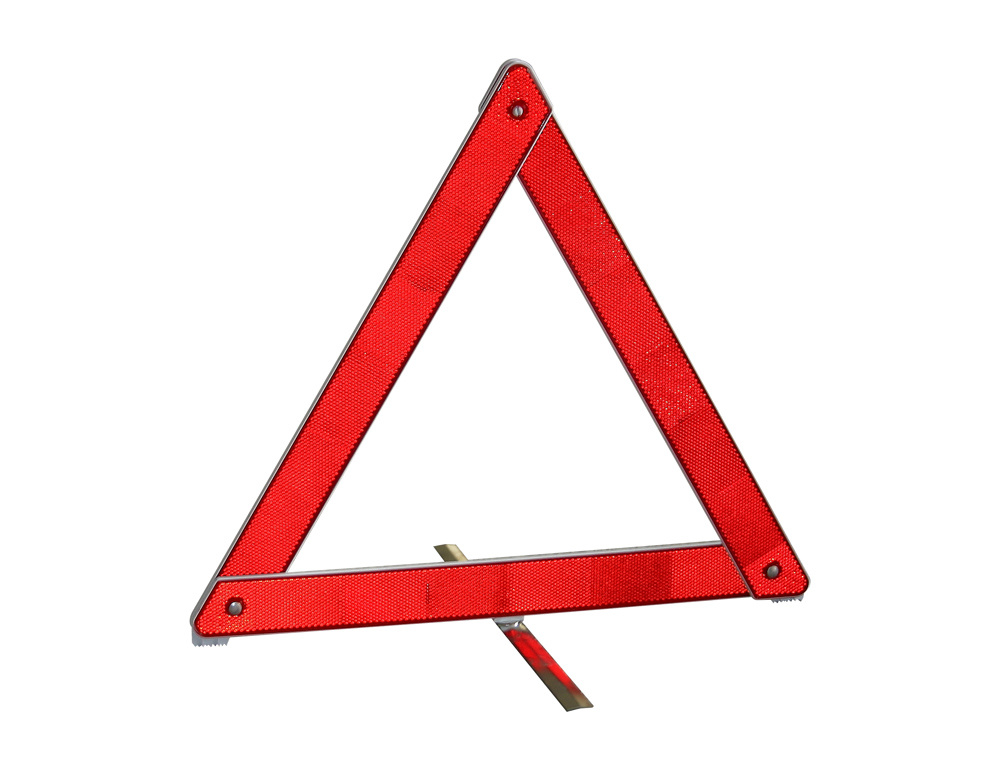
Foldable safety triangles are designed to be easily set up and placed behind a stationary vehicle to alert approaching motorists of a potential hazard. These triangles typically feature reflective surfaces and fluorescent materials, making them highly visible both during the day and at night. The reflective surfaces bounce off the light from other vehicles, enhancing visibility and increasing the chance of early recognition and reaction from drivers.
3. Advantages of Foldable Safety Triangles
3.1 Enhanced Visibility and Warning
With their reflective surfaces and fluorescent colors, foldable safety triangles provide an effective warning signal to drivers, ensuring they can spot the hazard from a distance. This early recognition helps prevent accidents and allows approaching vehicles to adjust their speed and navigate safely around the disabled or parked vehicle.
3.2 Quick and Easy Setup
Foldable safety triangles are designed for easy setup and can be assembled and positioned in a matter of seconds. This convenience is crucial, especially in emergency situations where time is of the essence. The simple setup process allows motorists to quickly and efficiently warn other drivers of the potential danger ahead.
3.3 Compact and Portable Design
One of the key advantages of foldable safety triangles is their compact and portable nature. These devices can be folded into a small, space-saving form when not in use, making them easy to store in the trunk of a vehicle. Their lightweight design ensures they do not add unnecessary weight or bulk to the vehicle, further enhancing their portability.
3.4 Suitable for Various Weather Conditions
Foldable safety triangles are designed to withstand various weather conditions, including rain, snow, and extreme temperatures. The materials used in their construction are often resistant to corrosion, ensuring their durability and performance in different climates.
3.5 Durable and Long-lasting
When properly maintained, foldable safety triangles can provide reliable service for an extended period. Their sturdy construction and high-quality materials contribute to their durability, making them a long-term investment for motorists concerned about road safety.
4. Disadvantages of Foldable Safety Triangles
4.1 Limited Distance Coverage
While foldable safety triangles offer enhanced visibility, their effectiveness is limited to a specific distance. Factors such as weather conditions, terrain, and other external factors may affect the distance at which approaching vehicles can spot the warning signal. Motorists should consider additional safety measures, such as reflective vests or flares, to further enhance their visibility.
4.2 Dependency on External Light Sources
Foldable safety triangles rely on external light sources, such as headlights, to reflect and enhance their visibility. In situations where there is limited ambient light or when approaching vehicles do not have their headlights on, the effectiveness of these warning devices may be reduced. Motorists should take these factors into account when relying solely on foldable safety triangles for visibility.
4.3 Potential Fragility
Although foldable safety triangles are designed to be durable, they may be prone to damage if mishandled or exposed to excessive force. Care should be taken when setting up and storing these devices to ensure their longevity. Regular inspection and replacement of damaged or worn-out parts are essential to maintain their effectiveness.
4.4 Not Suitable for All Types of Vehicles
Certain vehicle types, such as motorcycles or bicycles, may not have a suitable location to place foldable safety triangles. In such cases, alternative warning devices specifically designed for these vehicles should be considered.
5. Frequently Asked Questions (FAQs)
5.1 Can foldable safety triangles be used during daytime?
Yes, foldable safety triangles are designed with reflective surfaces that enhance their visibility during the day. However, additional caution should be exercised in situations where ambient light is low or visibility is compromised.
5.2 How far should foldable safety triangles be placed from the vehicle?
Foldable safety triangles should ideally be placed at a distance of approximately 50-100 feet behind the vehicle. This distance provides approaching drivers with enough time to react and make necessary adjustments.
5.3 Are foldable safety triangles legal in all countries?
While foldable safety triangles are widely used and accepted as standard safety equipment in many countries, it is important to check the specific regulations and requirements of each jurisdiction. Some countries may have specific rules regarding the use of warning devices, including foldable safety triangles.
5.4 Can foldable safety triangles be used in adverse weather conditions?
Yes, foldable safety triangles are designed to withstand a range of weather conditions, including rain, snow, and extreme temperatures. However, motorists should exercise caution and consider additional safety measures in severe weather conditions.
5.5 How long do foldable safety triangles typically last?
The lifespan of foldable safety triangles can vary depending on factors such as frequency of use, maintenance, and overall quality. With proper care and regular inspections, these devices can provide reliable service for several years.
6. Conclusion: Making Informed Decisions for Road Safety
Foldable safety triangles are valuable tools in ensuring road safety and preventing accidents. Their enhanced visibility, quick setup, and portability make them a convenient choice for motorists. However, it is important to consider their limitations, such as limited distance coverage and dependency on external light sources. By understanding the pros and cons of foldable safety triangles, drivers can make informed decisions and take necessary precautions to prioritize road safety.
1. Introduction: Enhancing Road Safety with Foldable Safety Triangles
2. How Foldable Safety Triangles Work
3. Advantages of Foldable Safety Triangles
3.1 Enhanced Visibility and Warning
3.2 Quick and Easy Setup
3.3 Compact and Portable Design
3.4 Suitable for Various Weather Conditions
3.5 Durable and Long-lasting
4. Disadvantages of Foldable Safety Triangles
4.1 Limited Distance Coverage
4.2 Dependency on External Light Sources
4.3 Potential Fragility
4.4 Not Suitable for All Types of Vehicles
5. Frequently Asked Questions (FAQs)
5.1 Can foldable safety triangles be used during daytime?
5.2 How far should foldable safety triangles be placed from the vehicle?
5.3 Are foldable safety triangles legal in all countries?
5.4 Can foldable safety triangles be used in adverse weather conditions?
5.5 How long do foldable safety triangles typically last?
6. Conclusion: Making Informed Decisions for Road Safety
1. Introduction: Enhancing Road Safety with Foldable Safety Triangles
Foldable safety triangles are essential tools for preventing accidents and ensuring road safety. By providing a visible warning to other drivers, these portable devices help mitigate risks and protect motorists when their vehicles are disabled or parked on the roadside. This article explores the pros and cons of foldable safety triangles, shedding light on their key features, advantages, and potential drawbacks.
2. How Foldable Safety Triangles Work
Foldable safety triangles are designed to be easily set up and placed behind a stationary vehicle to alert approaching motorists of a potential hazard. These triangles typically feature reflective surfaces and fluorescent materials, making them highly visible both during the day and at night. The reflective surfaces bounce off the light from other vehicles, enhancing visibility and increasing the chance of early recognition and reaction from drivers.
3. Advantages of Foldable Safety Triangles
3.1 Enhanced Visibility and Warning
With their reflective surfaces and fluorescent colors, foldable safety triangles provide an effective warning signal to drivers, ensuring they can spot the hazard from a distance. This early recognition helps prevent accidents and allows approaching vehicles to adjust their speed and navigate safely around the disabled or parked vehicle.
3.2 Quick and Easy Setup
Foldable safety triangles are designed for easy setup and can be assembled and positioned in a matter of seconds. This convenience is crucial, especially in emergency situations where time is of the essence. The simple setup process allows motorists to quickly and efficiently warn other drivers of the potential danger ahead.
3.3 Compact and Portable Design
One of the key advantages of foldable safety triangles is their compact and portable nature. These devices can be folded into a small, space-saving form when not in use, making them easy to store in the trunk of a vehicle. Their lightweight design ensures they do not add unnecessary weight or bulk to the vehicle, further enhancing their portability.
3.4 Suitable for Various Weather Conditions
Foldable safety triangles are designed to withstand various weather conditions, including rain, snow, and extreme temperatures. The materials used in their construction are often resistant to corrosion, ensuring their durability and performance in different climates.
3.5 Durable and Long-lasting
When properly maintained, foldable safety triangles can provide reliable service for an extended period. Their sturdy construction and high-quality materials contribute to their durability, making them a long-term investment for motorists concerned about road safety.
4. Disadvantages of Foldable Safety Triangles
4.1 Limited Distance Coverage
While foldable safety triangles offer enhanced visibility, their effectiveness is limited to a specific distance. Factors such as weather conditions, terrain, and other external factors may affect the distance at which approaching vehicles can spot the warning signal. Motorists should consider additional safety measures, such as reflective vests or flares, to further enhance their visibility.
4.2 Dependency on External Light Sources
Foldable safety triangles rely on external light sources, such as headlights, to reflect and enhance their visibility. In situations where there is limited ambient light or when approaching vehicles do not have their headlights on, the effectiveness of these warning devices may be reduced. Motorists should take these factors into account when relying solely on foldable safety triangles for visibility.
4.3 Potential Fragility
Although foldable safety triangles are designed to be durable, they may be prone to damage if mishandled or exposed to excessive force. Care should be taken when setting up and storing these devices to ensure their longevity. Regular inspection and replacement of damaged or worn-out parts are essential to maintain their effectiveness.
4.4 Not Suitable for All Types of Vehicles
Certain vehicle types, such as motorcycles or bicycles, may not have a suitable location to place foldable safety triangles. In such cases, alternative warning devices specifically designed for these vehicles should be considered.
5. Frequently Asked Questions (FAQs)
5.1 Can foldable safety triangles be used during daytime?
Yes, foldable safety triangles are designed with reflective surfaces that enhance their visibility during the day. However, additional caution should be exercised in situations where ambient light is low or visibility is compromised.
5.2 How far should foldable safety triangles be placed from the vehicle?
Foldable safety triangles should ideally be placed at a distance of approximately 50-100 feet behind the vehicle. This distance provides approaching drivers with enough time to react and make necessary adjustments.
5.3 Are foldable safety triangles legal in all countries?
While foldable safety triangles are widely used and accepted as standard safety equipment in many countries, it is important to check the specific regulations and requirements of each jurisdiction. Some countries may have specific rules regarding the use of warning devices, including foldable safety triangles.
5.4 Can foldable safety triangles be used in adverse weather conditions?
Yes, foldable safety triangles are designed to withstand a range of weather conditions, including rain, snow, and extreme temperatures. However, motorists should exercise caution and consider additional safety measures in severe weather conditions.
5.5 How long do foldable safety triangles typically last?
The lifespan of foldable safety triangles can vary depending on factors such as frequency of use, maintenance, and overall quality. With proper care and regular inspections, these devices can provide reliable service for several years.
6. Conclusion: Making Informed Decisions for Road Safety
Foldable safety triangles are valuable tools in ensuring road safety and preventing accidents. Their enhanced visibility, quick setup, and portability make them a convenient choice for motorists. However, it is important to consider their limitations, such as limited distance coverage and dependency on external light sources. By understanding the pros and cons of foldable safety triangles, drivers can make informed decisions and take necessary precautions to prioritize road safety.
keyword:
safety triangle
Relevant news