


2024-02-10 13:20:02.896
Choose the Right Truck Reflector for Maximum Road Safety
Table of Contents
1. Introduction: Importance of Truck Reflectors
2. Understanding the Types of Truck Reflectors
3. Factors to Consider When Choosing a Truck Reflector
4. How to Install a Truck Reflector
5. Frequently Asked Questions (FAQs)
6. Conclusion
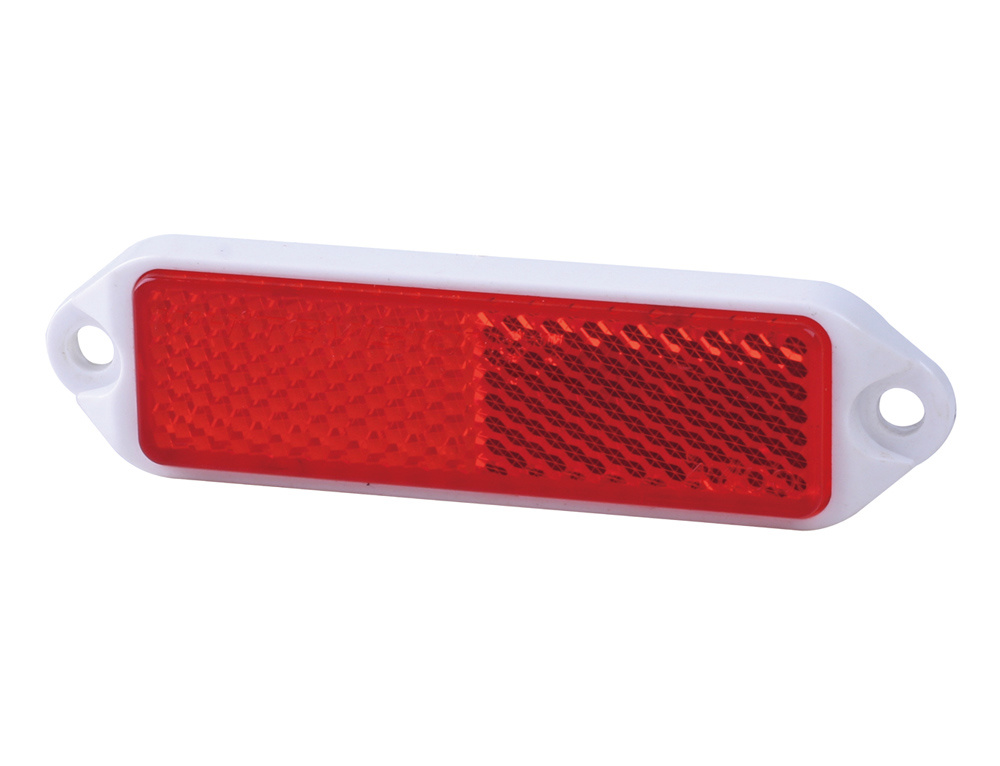
Truck reflectors play a crucial role in road safety by enhancing visibility and reducing accidents, especially during low-light conditions. These reflective devices are designed to reflect incident light back to its source, making the vehicle more visible to other drivers on the road. By choosing the right truck reflector, you can significantly improve your safety on the road and prevent potential collisions.
There are several types of truck reflectors available in the market, each with its unique features and purposes. Understanding the different types will help you make an informed decision when selecting the right reflector for your truck.
Reflective tape is a popular choice for truck reflectors due to its versatility and ease of use. It is available in various colors and can be applied to different parts of the truck, such as the sides, rear, and bumpers. Reflective tape is highly reflective and provides excellent visibility, even from a distance.
Reflective decals are pre-cut adhesive stickers that can be easily applied to the truck's surface. These decals come in various shapes and sizes, allowing you to customize your vehicle's appearance while enhancing safety. Reflective decals are durable, weather-resistant, and offer exceptional reflectivity.
Reflective panels are larger reflective surfaces that are typically mounted on the rear or sides of trucks. These panels are made of high-quality reflective material and provide enhanced visibility during nighttime or adverse weather conditions. Reflective panels are a popular choice for commercial trucks and trailers.
Selecting the right truck reflector involves considering various factors to ensure optimal road safety. Here are the key factors you should keep in mind:
Choose a truck reflector that offers maximum visibility, especially during low-light conditions. Look for reflectors with high reflectivity ratings and ensure they meet the required visibility standards set by regulatory authorities.
Truck reflectors are exposed to harsh weather conditions and heavy-duty usage. Therefore, it's essential to select reflectors that are durable, weather-resistant, and capable of withstanding frequent exposure to sunlight, rain, and other environmental factors.
Consider the ease of installation when choosing a truck reflector. Opt for reflectors that come with adhesive backing or mounting hardware for hassle-free installation. This will save you time and effort during the installation process.
Ensure that the truck reflector you choose complies with local regulations and safety standards. Different regions may have specific requirements for reflector placement, size, and reflectivity. Familiarize yourself with these regulations to ensure compliance.
Proper installation of a truck reflector is crucial to ensure its effectiveness and durability. Here's a step-by-step guide to help you install your truck reflector correctly:
Identify the appropriate locations on your truck where the reflectors should be installed. Consult local regulations or refer to the manufacturer's guidelines for accurate placement.
Thoroughly clean the surface where the reflector will be installed using a mild detergent and water. This will remove any dirt, grease, or debris that may hinder proper adhesion.
For adhesive-backed reflectors, peel off the backing to expose the adhesive side. Be careful not to touch the adhesive surface with your fingers to avoid compromising its effectiveness.
Carefully press the reflector onto the cleaned surface, ensuring it adheres firmly. Apply even pressure to ensure proper bonding. Follow the manufacturer's instructions for any specific application techniques.
Give the reflector sufficient time to cure and bond with the surface before exposing it to extreme weather conditions or washing your truck. Follow the manufacturer's recommended curing time for optimal results.
Yes, in many jurisdictions, truck reflectors are mandatory for enhancing road safety. It is essential to comply with local regulations regarding the use of reflectors on commercial vehicles.
While some reflectors can be removed, it is advisable not to do so, as it may compromise the adhesive or mounting mechanism. Removing reflectors may also result in non-compliance with local regulations.
Truck reflectors should be regularly inspected for signs of wear and tear. If reflectors are damaged, faded, or no longer provide adequate reflectivity, they should be replaced immediately to maintain optimal road safety.
Yes, using a combination of different types of reflectors can enhance visibility and safety. However, ensure that all reflectors comply with local regulations and do not impede each other's effectiveness.
While reflectors are most effective during low-light conditions, they still offer increased visibility during the day. The reflective properties of the materials used ensure that they reflect light back to its source, making the truck more noticeable to other drivers.
Choosing the right truck reflector is crucial for maximizing road safety. By understanding the types of reflectors available, considering key factors during the selection process, and following proper installation techniques, you can significantly enhance your visibility on the road. Prioritize safety by investing in high-quality reflectors and ensure they comply with local regulations. Stay visible, stay safe!
1. Introduction: Importance of Truck Reflectors
2. Understanding the Types of Truck Reflectors
3. Factors to Consider When Choosing a Truck Reflector
4. How to Install a Truck Reflector
5. Frequently Asked Questions (FAQs)
6. Conclusion
1. Introduction: Importance of Truck Reflectors
Truck reflectors play a crucial role in road safety by enhancing visibility and reducing accidents, especially during low-light conditions. These reflective devices are designed to reflect incident light back to its source, making the vehicle more visible to other drivers on the road. By choosing the right truck reflector, you can significantly improve your safety on the road and prevent potential collisions.
2. Understanding the Types of Truck Reflectors
There are several types of truck reflectors available in the market, each with its unique features and purposes. Understanding the different types will help you make an informed decision when selecting the right reflector for your truck.
2.1 Reflective Tape
Reflective tape is a popular choice for truck reflectors due to its versatility and ease of use. It is available in various colors and can be applied to different parts of the truck, such as the sides, rear, and bumpers. Reflective tape is highly reflective and provides excellent visibility, even from a distance.
2.2 Reflective Decals
Reflective decals are pre-cut adhesive stickers that can be easily applied to the truck's surface. These decals come in various shapes and sizes, allowing you to customize your vehicle's appearance while enhancing safety. Reflective decals are durable, weather-resistant, and offer exceptional reflectivity.
2.3 Reflective Panels
Reflective panels are larger reflective surfaces that are typically mounted on the rear or sides of trucks. These panels are made of high-quality reflective material and provide enhanced visibility during nighttime or adverse weather conditions. Reflective panels are a popular choice for commercial trucks and trailers.
3. Factors to Consider When Choosing a Truck Reflector
Selecting the right truck reflector involves considering various factors to ensure optimal road safety. Here are the key factors you should keep in mind:
3.1 Visibility
Choose a truck reflector that offers maximum visibility, especially during low-light conditions. Look for reflectors with high reflectivity ratings and ensure they meet the required visibility standards set by regulatory authorities.
3.2 Durability
Truck reflectors are exposed to harsh weather conditions and heavy-duty usage. Therefore, it's essential to select reflectors that are durable, weather-resistant, and capable of withstanding frequent exposure to sunlight, rain, and other environmental factors.
3.3 Easy Installation
Consider the ease of installation when choosing a truck reflector. Opt for reflectors that come with adhesive backing or mounting hardware for hassle-free installation. This will save you time and effort during the installation process.
3.4 Regulations Compliance
Ensure that the truck reflector you choose complies with local regulations and safety standards. Different regions may have specific requirements for reflector placement, size, and reflectivity. Familiarize yourself with these regulations to ensure compliance.
4. How to Install a Truck Reflector
Proper installation of a truck reflector is crucial to ensure its effectiveness and durability. Here's a step-by-step guide to help you install your truck reflector correctly:
4.1 Determine the Placement
Identify the appropriate locations on your truck where the reflectors should be installed. Consult local regulations or refer to the manufacturer's guidelines for accurate placement.
4.2 Clean the Surface
Thoroughly clean the surface where the reflector will be installed using a mild detergent and water. This will remove any dirt, grease, or debris that may hinder proper adhesion.
4.3 Peel Off the Backing
For adhesive-backed reflectors, peel off the backing to expose the adhesive side. Be careful not to touch the adhesive surface with your fingers to avoid compromising its effectiveness.
4.4 Apply the Reflector
Carefully press the reflector onto the cleaned surface, ensuring it adheres firmly. Apply even pressure to ensure proper bonding. Follow the manufacturer's instructions for any specific application techniques.
4.5 Allow Proper Curing Time
Give the reflector sufficient time to cure and bond with the surface before exposing it to extreme weather conditions or washing your truck. Follow the manufacturer's recommended curing time for optimal results.
5. Frequently Asked Questions (FAQs)
5.1 Are truck reflectors mandatory?
Yes, in many jurisdictions, truck reflectors are mandatory for enhancing road safety. It is essential to comply with local regulations regarding the use of reflectors on commercial vehicles.
5.2 Can I remove the reflector once it's installed?
While some reflectors can be removed, it is advisable not to do so, as it may compromise the adhesive or mounting mechanism. Removing reflectors may also result in non-compliance with local regulations.
5.3 How often should truck reflectors be replaced?
Truck reflectors should be regularly inspected for signs of wear and tear. If reflectors are damaged, faded, or no longer provide adequate reflectivity, they should be replaced immediately to maintain optimal road safety.
5.4 Can I use multiple types of reflectors on my truck?
Yes, using a combination of different types of reflectors can enhance visibility and safety. However, ensure that all reflectors comply with local regulations and do not impede each other's effectiveness.
5.5 Do reflectors work during the day?
While reflectors are most effective during low-light conditions, they still offer increased visibility during the day. The reflective properties of the materials used ensure that they reflect light back to its source, making the truck more noticeable to other drivers.
6. Conclusion
Choosing the right truck reflector is crucial for maximizing road safety. By understanding the types of reflectors available, considering key factors during the selection process, and following proper installation techniques, you can significantly enhance your visibility on the road. Prioritize safety by investing in high-quality reflectors and ensure they comply with local regulations. Stay visible, stay safe!
keyword:
truck Reflector
Relevant news