


2024-02-12 15:20:30.075
Safety First: Why Bicycle Reflectors Are a Must-Have
## Table of Contents
1. Introduction
2. The Importance of Bicycle Reflectors
3. Types of Bicycle Reflectors
4. Reflective Vest: An Added Safety Measure
5. Tips for Proper Installation of Bicycle Reflectors
6. Understanding Bicycle Reflectors Regulations
7. Frequently Asked Questions (FAQs)
8. Conclusion
## Introduction
When it comes to cycling, safety should always be a top priority. As a cyclist, you need to take every precaution possible to protect yourself on the road. One essential safety device that often goes unnoticed but plays a crucial role in ensuring visibility is bicycle reflectors. In this article, we will delve into why bicycle reflectors are a must-have for any cyclist and explore their various types, installation tips, regulations, and more.
## The Importance of Bicycle Reflectors
Cycling during low-light conditions or at night can be particularly hazardous. However, by equipping your bicycle with reflectors, you significantly enhance your visibility to other road users. Reflectors work by bouncing back light from vehicle headlights, making you more noticeable on the road. This increased visibility can help prevent accidents and ensure your safety.
## Types of Bicycle Reflectors
Bicycle reflectors come in various types, each serving a specific purpose. Understanding these types can help you choose the most suitable reflectors for your cycling needs. The main types of bicycle reflectors include:
### 1. Pedal Reflectors
Pedal reflectors are attached to the pedals of your bicycle. They are designed to reflect light from vehicles approaching from behind, increasing your visibility from multiple angles. Pedal reflectors are especially effective in low-light or nighttime conditions.
### 2. Wheel Reflectors
Wheel reflectors are mounted on the spokes of your bicycle wheels. These reflectors provide visibility from the sides, making it easier for drivers approaching from the side to see you. Wheel reflectors can greatly reduce the risk of accidents, particularly at intersections.
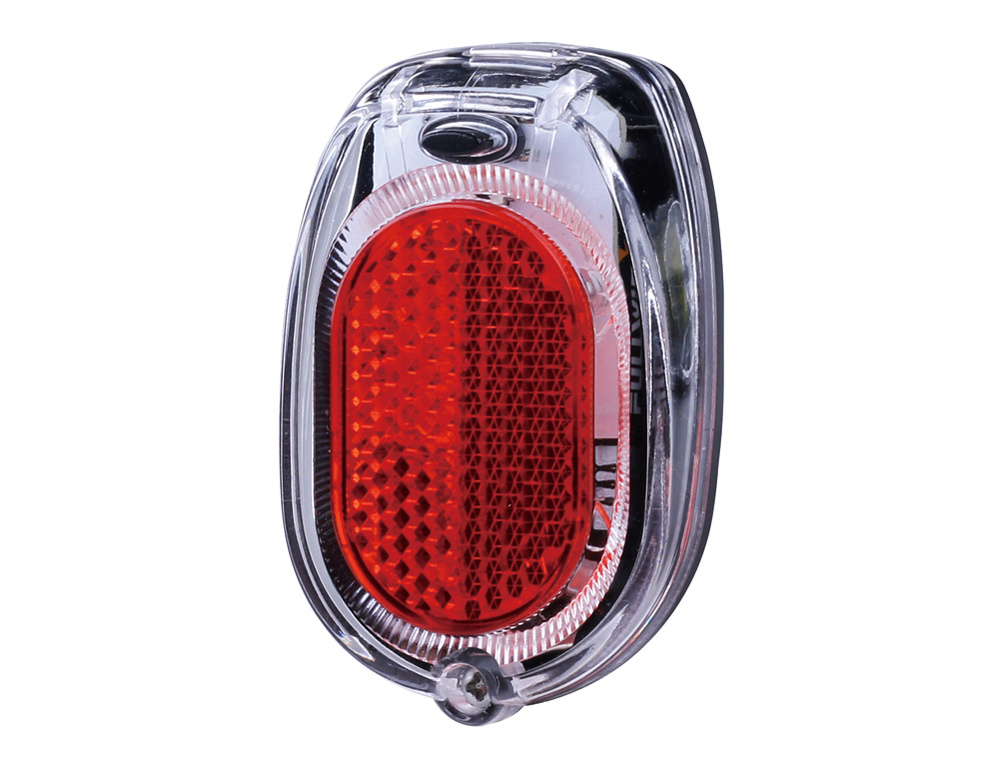
### 3. Front and Rear Reflectors
Front and rear reflectors are typically found on the handlebars and seat post of bicycles. These reflectors ensure that you are visible from the front and rear, increasing your overall visibility to oncoming traffic and vehicles approaching from behind.
### 4. Frame Reflectors
Frame reflectors are attached to the frame of your bicycle. These reflectors add an extra layer of visibility, making it easier for drivers to spot you, particularly in low-light conditions. Frame reflectors are often found on the front and rear forks of bicycles.
## Reflective Vest: An Added Safety Measure
In addition to bicycle reflectors, wearing a reflective vest is another effective safety measure. Reflective vests are made of high-visibility materials and are designed to make you more visible to other road users. This additional safety measure can greatly enhance your visibility, especially during nighttime cycling.
## Tips for Proper Installation of Bicycle Reflectors
Installing bicycle reflectors correctly is crucial for their effectiveness. Follow these tips to ensure proper installation:
1. Clean the areas where the reflectors will be attached thoroughly to ensure maximum adhesion.
2. Use appropriate adhesive or mounting brackets to securely attach the reflectors.
3. Ensure the reflectors are aligned properly and facing the correct direction for optimal visibility.
4. Regularly check the reflectors for any damage or signs of wear and replace them if necessary.
## Understanding Bicycle Reflectors Regulations
Different countries and regions have specific regulations regarding bicycle reflectors. It is essential to familiarize yourself with these regulations to ensure compliance and maintain road safety. Some common regulations include:
1. The number and placement of reflectors required on a bicycle.
2. The color and visibility requirements for reflectors.
3. The necessity of additional lighting or reflective materials during nighttime cycling.
Be sure to check your local regulations and ensure your bicycle adheres to the necessary requirements for reflectors.
## Frequently Asked Questions (FAQs)
Q1: Are bicycle reflectors required by law?
A: Bicycle reflector laws vary by jurisdiction. It is important to familiarize yourself with the specific regulations in your area to ensure compliance.
Q2: Can I use additional reflective accessories along with bicycle reflectors?
A: Yes, using additional reflective accessories, such as reflector tape, can further enhance your visibility and safety on the road.
Q3: How often should I check my bicycle reflectors for damage?
A: It is recommended to regularly inspect your bicycle reflectors for any signs of damage or wear. Replace them if necessary to maintain optimal visibility.
Q4: Are there any alternatives to bicycle reflectors?
A: While bicycle reflectors are highly effective, you can also consider using bike lights or reflective clothing to enhance visibility.
Q5: Can I use bicycle reflectors on any type of bicycle?
A: Yes, bicycle reflectors can be installed on various types of bicycles, including road bikes, mountain bikes, and city bikes.
## Conclusion
Ensuring your safety while cycling should be paramount. By equipping your bicycle with reflectors, you significantly improve your visibility on the road, reducing the risk of accidents. Understanding the different types of reflectors, proper installation techniques, and local regulations will help you make informed decisions to enhance your safety as a cyclist. Remember, safety first - make bicycle reflectors a must-have when hitting the road.
keyword:
Bicycle reflector
Relevant news