


2024-02-13 15:40:28.438
Why Safety Triangles Should Be a Standard Component in Every Vehicle
Table of Contents:
1. Introduction
2. What are Safety Triangles?
3. The Importance of Safety Triangles
4. Enhancing Road Safety
4.1 Increased Visibility
4.2 Warning Sign for Other Drivers
4.3 Alerting Emergency Services
5. Benefits for Drivers
5.1 Practicality and Ease of Use
5.2 Legal Compliance
5.3 Peace of Mind
6. Benefits for Passengers
6.1 Passenger Awareness and Safety
6.2 Emergency Preparedness
7. Benefits for Other Road Users
7.1 Clear Communication
7.2 Avoidance of Secondary Accidents
8. Frequently Asked Questions (FAQs)
8.1 How should safety triangles be positioned on the road?
8.2 Are safety triangles mandatory in all vehicles?
8.3 Do safety triangles have an expiration date?
8.4 Can safety triangles be used in adverse weather conditions?
8.5 Are there any alternative safety devices to triangles?
9. Conclusion
1. Introduction
Road safety is crucial for every vehicle owner. In this article, we explore the significance of safety triangles and why they should be considered a standard component in every vehicle. By understanding their importance, we can contribute to a safer driving experience for ourselves, passengers, and other road users.
2. What are Safety Triangles?
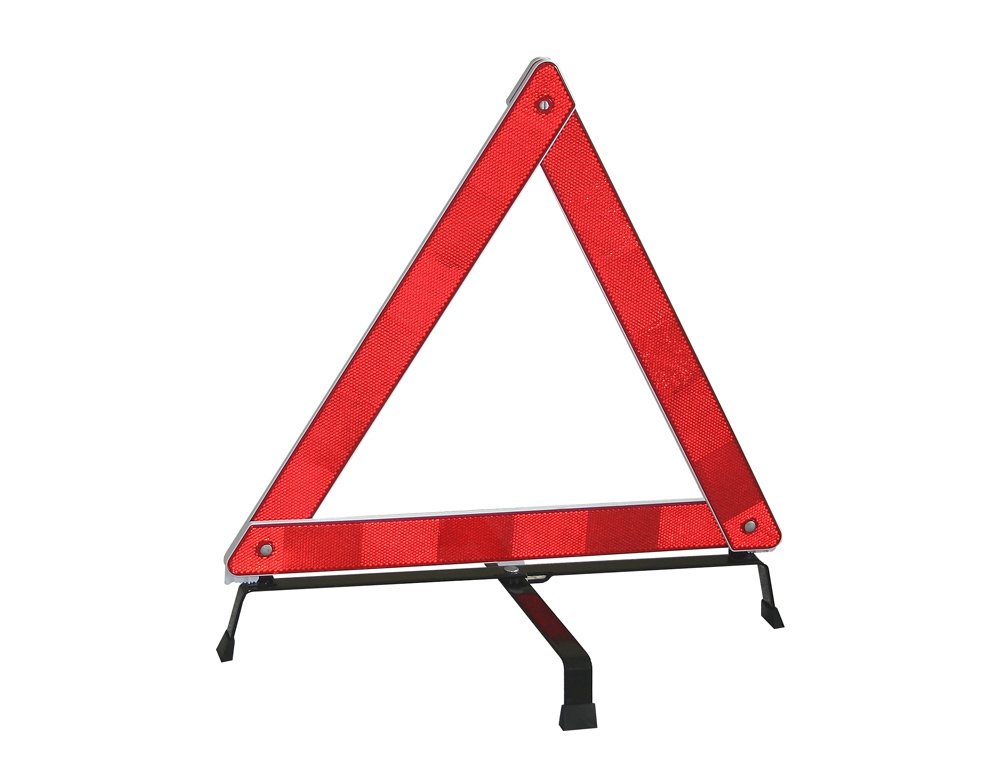
Safety triangles, also known as warning triangles, are portable devices designed to enhance visibility and provide a visual warning to other drivers on the road. Typically made of reflective material, they are triangular in shape and can be easily set up in case of emergencies or breakdowns.
3. The Importance of Safety Triangles
Safety triangles play a vital role in preventing accidents and ensuring road safety. Their presence on the road can effectively communicate potential hazards to other drivers, allowing them to take necessary precautions. Let's explore the specific ways safety triangles contribute to road safety.
4. Enhancing Road Safety
4.1 Increased Visibility
Safety triangles are designed with reflective materials that make them highly visible, even in low light conditions. Their bright colors and reflective surfaces attract attention from a distance, making them an effective tool to warn approaching drivers about a hazard ahead.
4.2 Warning Sign for Other Drivers
By placing safety triangles a sufficient distance behind a disabled vehicle, drivers approaching the scene can be alerted to slow down and proceed with caution. This warning sign helps prevent rear-end collisions and provides additional time for drivers to react to the situation.
4.3 Alerting Emergency Services
In emergency situations, safety triangles can assist in drawing attention to a vehicle in need of assistance. By placing them near the vehicle, emergency services can quickly identify the exact location, expediting their response time and potentially saving lives.
5. Benefits for Drivers
5.1 Practicality and Ease of Use
Safety triangles are lightweight, compact, and easy to store in a vehicle. With no special tools or expertise required, any driver can set them up quickly and efficiently. Their user-friendly design makes them accessible to all drivers, regardless of their mechanical knowledge.
5.2 Legal Compliance
In many jurisdictions, safety triangles are a legal requirement in vehicles. By having them on board, drivers can avoid legal penalties and ensure compliance with road safety regulations. It is essential to familiarize oneself with local laws regarding safety equipment to maintain a safe and legal driving experience.
5.3 Peace of Mind
Knowing that safety triangles are readily available in case of an emergency provides drivers with peace of mind. Whether it's a breakdown, tire blowout, or any other unexpected situation, having safety triangles at hand allows drivers to take immediate action and protect themselves and others on the road.
6. Benefits for Passengers
6.1 Passenger Awareness and Safety
Passengers in a vehicle equipped with safety triangles can feel reassured that their driver is prepared for emergencies. This awareness creates a sense of safety and confidence in the driver's ability to handle unexpected situations. Passengers can rest assured that the driver has taken proactive measures to protect them in case of a breakdown or accident.
6.2 Emergency Preparedness
Accidents or breakdowns can be stressful for passengers, especially if they occur in remote areas or during unfavorable weather conditions. Safety triangles serve as a visible signal to other drivers and emergency services, ensuring faster assistance and reducing the time passengers spend stranded or in potentially dangerous situations.
7. Benefits for Other Road Users
7.1 Clear Communication
Safety triangles act as a clear communication tool on the road. By warning other drivers of a hazard ahead, they promote a safer driving environment for everyone. Clear communication helps prevent accidents, reduces road rage incidents, and fosters a sense of unity among road users.
7.2 Avoidance of Secondary Accidents
In the event of a breakdown or accident, safety triangles help prevent secondary accidents. By alerting approaching vehicles to slow down and exercise caution, they minimize the risk of collisions and give drivers behind the disabled vehicle ample time to adjust their speed and direction.
8. Frequently Asked Questions (FAQs)
8.1 How should safety triangles be positioned on the road?
Safety triangles should be placed at a sufficient distance behind the disabled vehicle, preferably 50-100 feet away. This ensures proper visibility, giving approaching drivers enough time to react and slow down.
8.2 Are safety triangles mandatory in all vehicles?
The requirement for safety triangles varies by jurisdiction. It is essential to familiarize yourself with the specific laws and regulations of your area to ensure compliance. However, even if not mandatory, it is highly recommended to keep safety triangles in all vehicles.
8.3 Do safety triangles have an expiration date?
Safety triangles typically do not have an expiration date. However, it is crucial to regularly inspect them for any damage or fading of reflective materials. If any signs of wear or damage are present, they should be replaced promptly.
8.4 Can safety triangles be used in adverse weather conditions?
Yes, safety triangles are designed to withstand various weather conditions, including rain, snow, and fog. Their reflective surfaces remain effective even in low visibility situations, ensuring they can be seen by other drivers.
8.5 Are there any alternative safety devices to triangles?
While safety triangles are a widely recognized and efficient tool, there are alternative safety devices such as LED warning lights and flares. It is essential to choose a device that complies with local regulations and provides optimal visibility in emergencies.
9. Conclusion
Safety triangles are an indispensable component that should be present in every vehicle. By enhancing road safety, providing benefits to drivers, passengers, and other road users, safety triangles contribute to a safer and more secure driving experience. Don't compromise on safety - make safety triangles a standard part of your vehicle today.
keyword:
safety triangle
Relevant news