


2024-03-01 14:40:55.466
Understanding the Importance of Safety Triangles in Traffic Safety
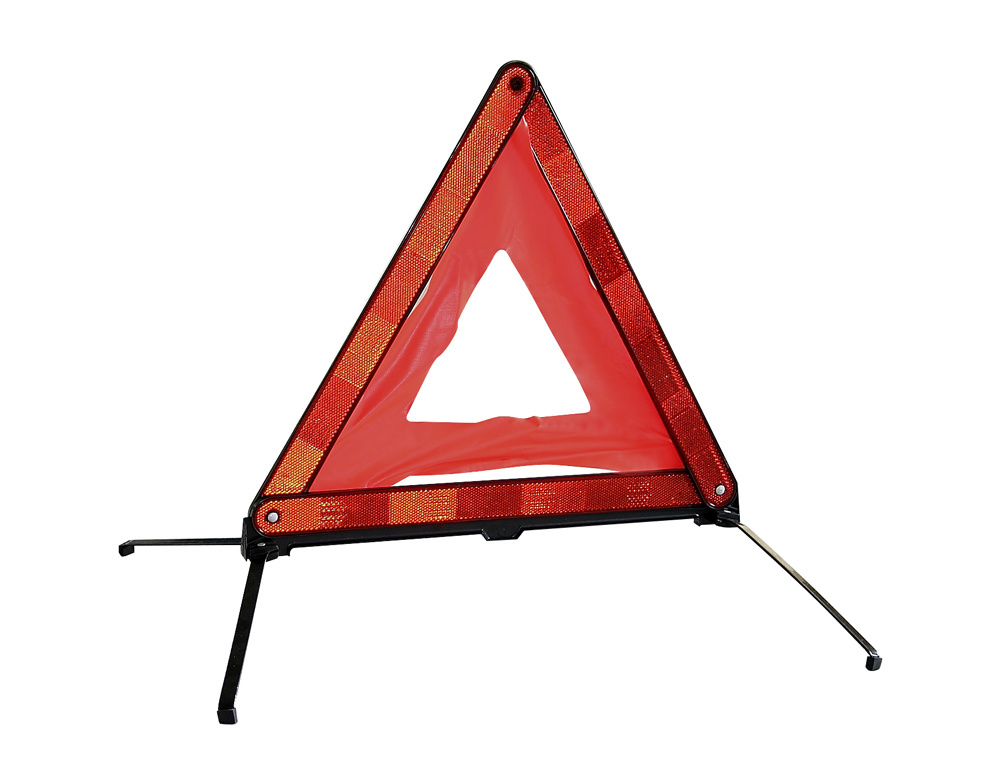
Safety triangles, also known as warning triangles or reflective triangles, are essential safety devices that play a crucial role in enhancing traffic safety. These triangles are typically made of reflective material and are designed to be easily visible to other drivers, especially in low light conditions or inclement weather.
The primary purpose of safety triangles is to alert other drivers of a disabled or stationary vehicle on the road, helping to reduce the risk of accidents and ensuring the safety of all road users. By placing a safety triangle a safe distance away from the vehicle, drivers can provide advanced warning to approaching vehicles and prevent collisions.
When using a safety triangle, it is important to follow specific guidelines to ensure maximum effectiveness. The triangle should be placed at least 50 feet behind the vehicle, on the same side of the road, and at a slight angle towards oncoming traffic. This positioning helps to create a visual buffer zone for approaching vehicles and gives them ample time to slow down and safely navigate around the disabled vehicle.
In addition to their reflective properties, safety triangles are also equipped with fluorescent colors that further enhance their visibility during the day. This combination of reflective and fluorescent materials ensures that the triangle remains conspicuous in various lighting conditions, making it an essential tool for all drivers to have in their vehicles.
Overall, safety triangles are a simple yet effective tool for enhancing traffic safety and reducing the risk of accidents on the road. By understanding how to use them properly and incorporating them into your vehicle safety kit, you can help contribute to a safer driving environment for yourself and others. Remember, safety should always be a top priority when on the road, and safety triangles are an important part of ensuring that priority is met.
keyword:
safety triangle
Relevant news