


2024-03-04 14:40:35.229
Enhancing Road Safety with Safety Triangles: Everything You Need to Know
When it comes to road safety, one cannot overlook the crucial role that safety triangles play in ensuring the well-being of drivers and passengers. In the realm of automotive and accessories, particularly in the category of traffic safety equipment, safety triangles are considered a must-have item for every driver.
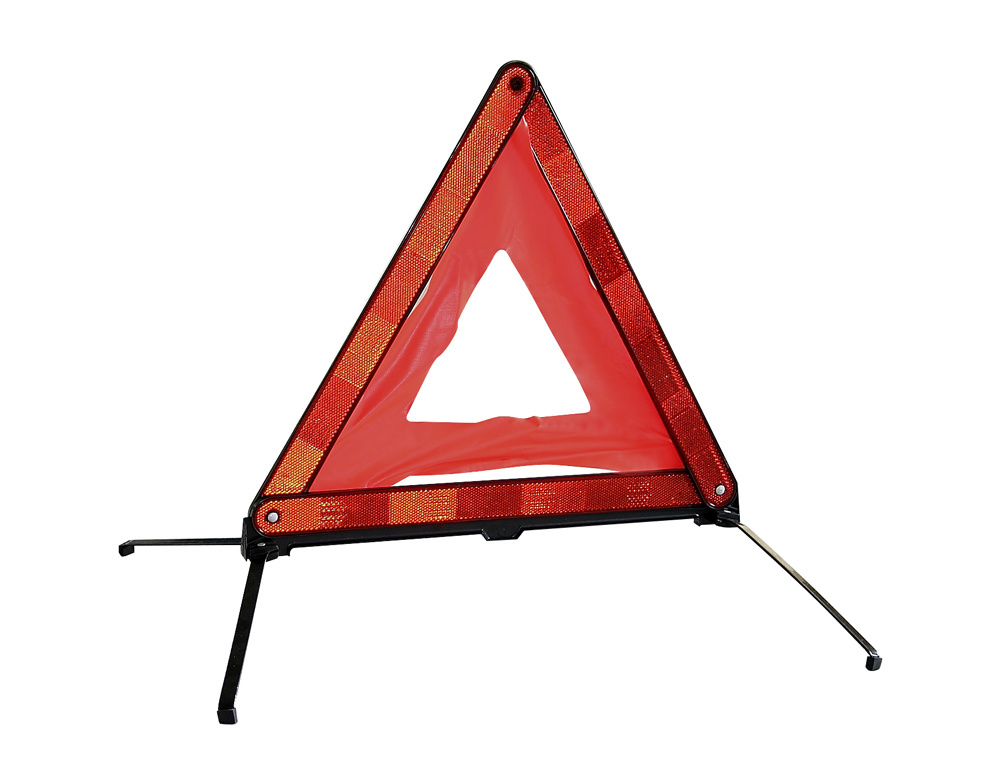
Safety triangles, also known as warning triangles, are highly reflective devices that are used to warn other drivers of a stopped vehicle or potential hazards on the road. These triangles are typically placed at a certain distance behind or in front of a vehicle to alert oncoming traffic and prevent accidents.
One of the key benefits of safety triangles is their high visibility, especially in low-light conditions or adverse weather. Their reflective surfaces make them easily noticeable from a distance, giving drivers ample time to slow down and maneuver safely around the hazard.
It is essential for drivers to understand the proper placement of safety triangles to maximize their effectiveness. Placing them too close to the vehicle may not provide enough warning to approaching drivers, while placing them too far away may not adequately convey the message. The recommended distance for placing safety triangles is typically around 50 to 100 feet behind the vehicle.
In addition to their role in warning other drivers of potential dangers, safety triangles also serve as a legal requirement in many countries. It is mandatory for drivers to carry safety triangles in their vehicles to ensure compliance with traffic regulations and to enhance road safety.
In conclusion, safety triangles are indispensable accessories for every driver who prioritizes road safety. By understanding their significance and following proper placement guidelines, drivers can contribute to creating a safer driving environment for themselves and others on the road.
keyword:
safety triangle
Relevant news