


2024-03-27 17:40:01.911
Understanding the Safety Triangle in Traffic Safety Equipment
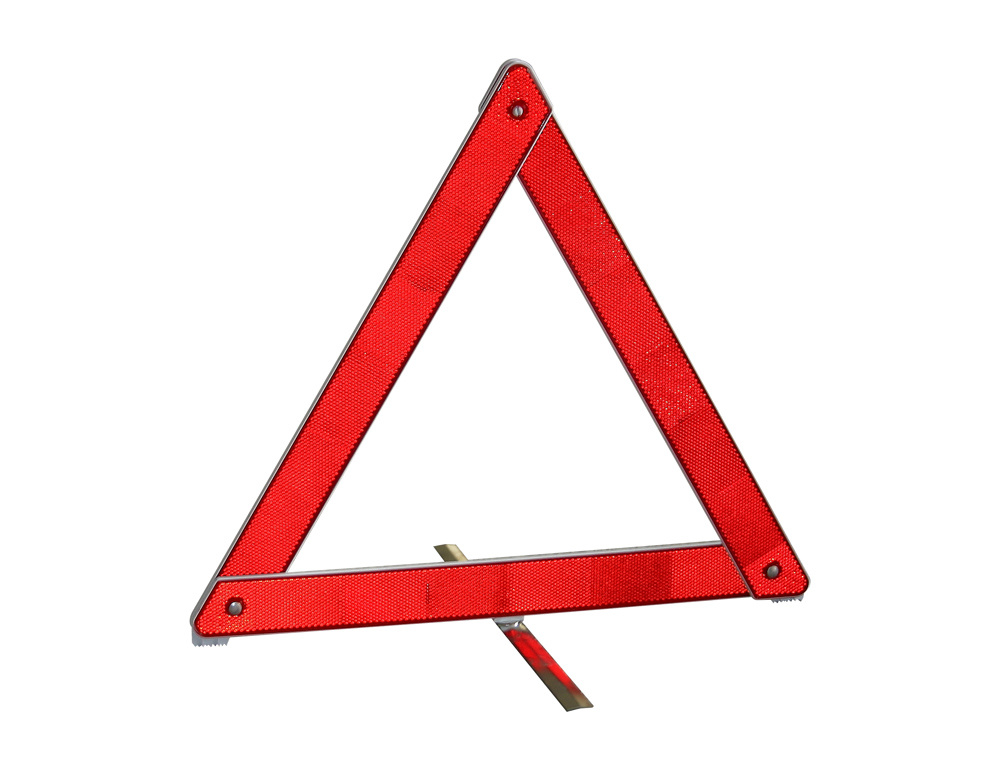
When it comes to traffic safety equipment, the safety triangle is a crucial component that plays a significant role in enhancing road safety for drivers and pedestrians alike. The safety triangle, also known as a warning triangle or emergency triangle, is a reflective equilateral triangle with a stand that is used to warn other drivers of a stopped vehicle or a potential hazard on the road.
The safety triangle is typically placed on the road behind a stopped vehicle to alert oncoming traffic of the hazard and provide a visual warning to help prevent accidents. It is important to place the safety triangle a safe distance away from the vehicle, usually around 50-100 feet, to give drivers ample time to react and adjust their speed accordingly.
In addition to being a visual warning for oncoming traffic, the safety triangle also serves as a safety measure for the occupants of the stopped vehicle. By alerting other drivers of the hazard ahead, the safety triangle helps to reduce the risk of rear-end collisions and provides a safe buffer zone for those inside the vehicle.
It is important to remember that the safety triangle should only be used in emergency situations and not as a substitute for other safety measures such as hazard lights or flares. When using a safety triangle, be sure to follow the manufacturer's instructions for proper placement and visibility.
In conclusion, the safety triangle is an essential component of traffic safety equipment that plays a crucial role in enhancing road safety for drivers and pedestrians. By understanding its importance and how to use it effectively, drivers can help prevent accidents and ensure a safer driving experience for everyone on the road.
keyword:
safety triangle
Relevant news