


2024-11-05 09:20:57.588
Illuminate Your Night Rides with Top-Quality Bicycle Reflectors: A Comprehensive Guide
Illuminate Your Night Rides with Top-Quality Bicycle Reflectors
Table of Contents
- The Importance of Bicycle Reflectors for Night Riding
- Different Types of Bicycle Reflectors
- How to Choose the Best Bicycle Reflectors
- Installation Guide for Bicycle Reflectors
- Maintenance Tips for Bicycle Reflectors
- Latest Advancements in Reflective Materials
- Essential Safety Tips for Night Riding
- Frequently Asked Questions
The Importance of Bicycle Reflectors for Night Riding
When it comes to cycling at night, **visibility** is a critical factor that can significantly impact your safety. Bicycle reflectors serve a vital purpose by enhancing your visibility to drivers and pedestrians, helping to prevent accidents during low-light conditions. Without adequate reflectors, you risk becoming virtually invisible, especially in areas with poor street lighting.
Bicycle reflectors work by reflecting light from vehicles back towards the source. This feature is crucial, as it allows you to be seen from a distance, giving drivers more time to react. In addition to personal safety, many regions have **legal requirements** regarding reflector usage on bicycles, making them not just a good idea, but a necessity.
Different Types of Bicycle Reflectors
Understanding the various types of bicycle reflectors available can help you make an informed choice for your needs. There are several kinds of reflectors, each designed for specific parts of your bicycle.
1. Wheel Reflectors
Wheel reflectors are typically mounted on the spokes of your bike wheels. They are designed to reflect light from multiple angles, providing 360-degree visibility. These reflectors are particularly effective when the bicycle is in motion, as they create a striking visual effect that can catch the attention of passing vehicles.
2. Frame Reflectors
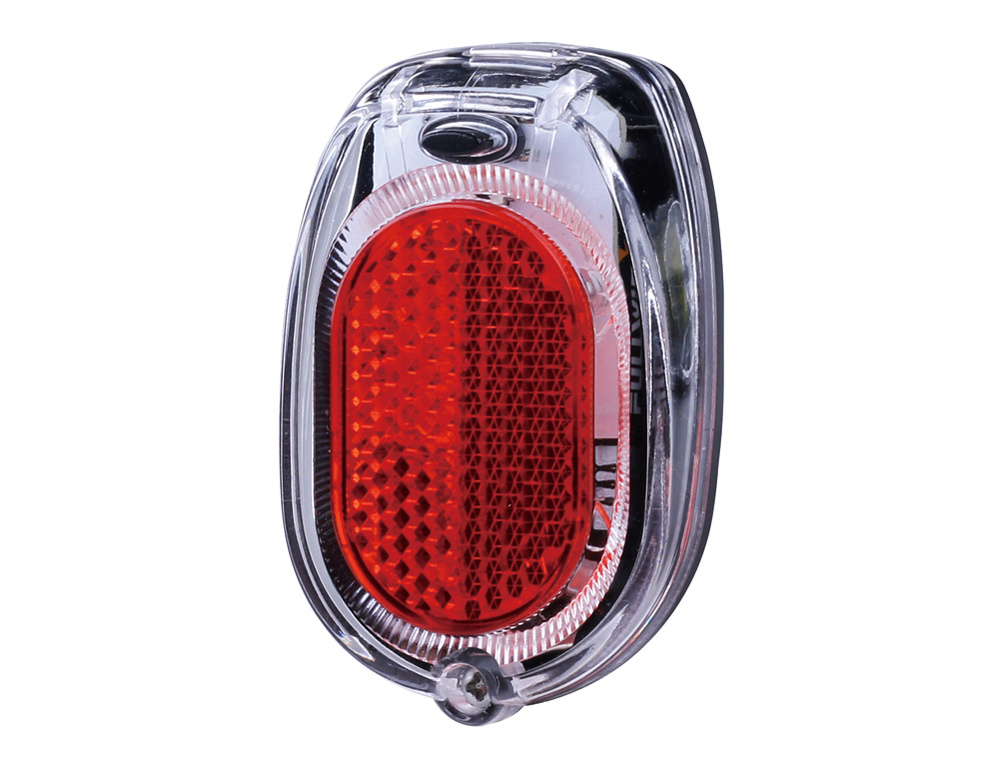
Frame reflectors attach directly to the frame of your bicycle and are generally found on the rear and front. They come in various shapes and sizes, and many are designed to blend with the bike's aesthetic. The primary function of frame reflectors is to ensure that the profile of your bicycle is visible from both the front and back.
3. Pedal Reflectors
Pedal reflectors are small reflectors attached to the bicycle pedals. While they might be less noticeable than wheel or frame reflectors, they play a crucial role in increasing your visibility, especially when viewed from the side. Pedal reflectors are essential for riders who frequently navigate through intersections at night.
4. Helmet Reflectors
Helmet reflectors are an excellent addition to your biking gear. By attaching reflective stickers or straps to your helmet, you increase your visibility even further. Since the head is often the highest point of a cyclist, helmet reflectors catch the attention of drivers who are approaching from behind or the side.
5. Reflective Tape
Reflective tape can be applied to any part of your bicycle, including the rims, frame, and even the tires. This versatile option allows you to customize your bike’s visibility according to your preference, ensuring every angle is covered.
How to Choose the Best Bicycle Reflectors
When selecting bicycle reflectors, several factors should be considered to ensure maximum safety and effectiveness.
1. Quality of Reflective Material
The quality of the reflective material directly influences how well the reflector performs. Look for products made from high-grade retroreflective materials that ensure maximum visibility even in low-light situations.
2. Ease of Installation
Consider how easy it is to install the reflectors on your bicycle. Many reflectors come with simple adhesive backing or mounting brackets, making them easy to attach without requiring specialized tools.
3. Weather Resistance
To ensure durability, choose reflectors that are weather-resistant and can withstand various environmental conditions, including rain, snow, and UV exposure.
4. Design and Aesthetics
While safety should be the primary concern, it’s also essential to choose reflectors that fit the style of your bicycle. Look for options that complement the color and design of your bike.
5. Compliance with Local Regulations
Different regions have specific regulations regarding bicycle reflectors. Ensure that the reflectors you choose comply with local laws. This way, you not only enhance your safety but also avoid unnecessary fines.
Installation Guide for Bicycle Reflectors
Installing bicycle reflectors is straightforward, but doing it correctly is crucial for maximizing visibility.
1. Gather Your Tools
Ensure you have all necessary tools for installation, which may include screwdrivers, adhesive, and cleaning supplies to prepare the surface.
2. Clean the Surface
Before attaching any reflector, clean the area thoroughly to ensure the adhesive sticks properly. Remove dirt, grease, and grime for optimal adhesion.
3. Follow Manufacturer Instructions
Each reflector may come with specific installation instructions. Follow these guidelines closely to ensure proper placement and functionality.
4. Test Visibility
After installation, test the visibility of each reflector by shining a light on them from various angles. This step ensures they reflect light effectively when you’re riding.
Maintenance Tips for Bicycle Reflectors
Maintaining your bicycle reflectors is essential for ensuring long-term visibility and performance.
1. Regular Inspections
Check your reflectors regularly for any signs of wear or damage. Replace any damaged reflectors immediately to maintain safety.
2. Keep Them Clean
Dust and dirt can obscure reflectors, reducing visibility. Clean them regularly with a damp cloth to keep them in optimal condition.
3. Reapply Adhesives as Necessary
If your reflectors use adhesive, ensure they remain firmly attached. Reapply adhesive as needed to keep reflectors securely in place.
Latest Advancements in Reflective Materials
The world of reflective materials is constantly evolving, with new technologies improving performance and durability.
1. Microprismatic Technology
This advanced reflective technology enhances brightness and visibility significantly compared to traditional reflective materials. Microprismatic reflectors use tiny prisms to reflect light more effectively, making them an excellent choice for nighttime riding.
2. LED Reflectors
LED reflectors are now available, providing not only reflective properties but also illumination. These reflectors can be powered by batteries or even solar energy, increasing visibility significantly during night rides.
3. Smart Reflectors
Some manufacturers are developing smart reflectors that can connect to your smartphone, providing notifications and tracking your cycling patterns. These technological advancements can enhance safety and awareness while riding.
Essential Safety Tips for Night Riding
In addition to using quality reflectors, keeping safety in mind is crucial when cycling at night.
1. Wear Bright Clothing
Wearing bright or neon-colored clothing enhances your visibility in low-light conditions. Pairing this with reflectors creates a comprehensive safety approach.
2. Use Front and Rear Lights
In addition to reflectors, using bright front and rear lights is essential. These lights illuminate your path and signal your presence to other road users.
3. Ride Defensively
Stay aware of your surroundings and practice defensive riding. Anticipate potential hazards and be prepared to react accordingly.
4. Avoid High Traffic Areas
Whenever possible, choose routes that are less congested. This approach minimizes the risk of accidents and enhances your overall riding experience.
Frequently Asked Questions
1. How do bicycle reflectors improve safety?
Bicycle reflectors enhance visibility for both the cyclist and drivers, reducing the risk of accidents during low-light conditions.
2. Are there legal requirements for bicycle reflectors?
Yes, many regions have specific regulations regarding the use of reflectors on bicycles. Always check local laws to ensure compliance.
3. How often should I replace my bicycle reflectors?
Inspect your reflectors regularly; replace them if they show signs of wear, damage, or reduced visibility.
4. Can I install reflectors myself?
Yes, most bicycle reflectors are designed for easy installation. Follow the manufacturer’s instructions for the best results.
5. What is the best type of reflector for my bicycle?
The best type of reflector depends on your bicycle and riding style. Consider wheel reflectors, frame reflectors, helmet reflectors, and others based on your visibility needs.
Conclusion
Investing in high-quality bicycle reflectors is a crucial step towards ensuring your safety while riding at night. By understanding the importance of visibility, selecting the right types of reflectors, and following proper installation and maintenance procedures, you can significantly improve your nighttime cycling experience. Furthermore, staying informed about the latest advancements in reflective materials and adopting comprehensive safety measures will allow you to enjoy a secure and thrilling ride, regardless of the time of day. Illuminate your night rides and keep yourself safe—your well-being depends on it!
keyword:
Bicycle reflector factory
Relevant news