


2024-11-17 09:20:53.159
Unveiling the Importance of Safety Triangles in Roadside Emergencies
Unveiling the Importance of Safety Triangles in Roadside Emergencies
Table of Contents
- 1. Introduction to Safety Triangles
- 2. What is a Safety Triangle?
- 3. Importance of Safety Triangles in Roadside Safety
- 4. Legal Standards for Safety Triangles
- 5. How to Properly Use Safety Triangles
- 6. Placement Tips for Maximum Visibility
- 7. Maintenance and Care of Safety Triangles
- 8. Frequently Asked Questions about Safety Triangles
- 9. Conclusion: Prioritizing Safety on the Road
1. Introduction to Safety Triangles
In the unpredictable world of driving, roadside emergencies can occur at any moment. Whether due to a flat tire, fuel depletion, or unforeseen accidents, knowing how to respond promptly can make all the difference. One essential tool for ensuring your safety and that of others on the road is the **safety triangle**.
Safety triangles, also known as warning triangles or emergency triangles, are vital devices that alert other drivers to your vehicle's presence during emergencies. Their role goes beyond mere visibility; they foster a culture of safety that can prevent accidents and save lives.
2. What is a Safety Triangle?
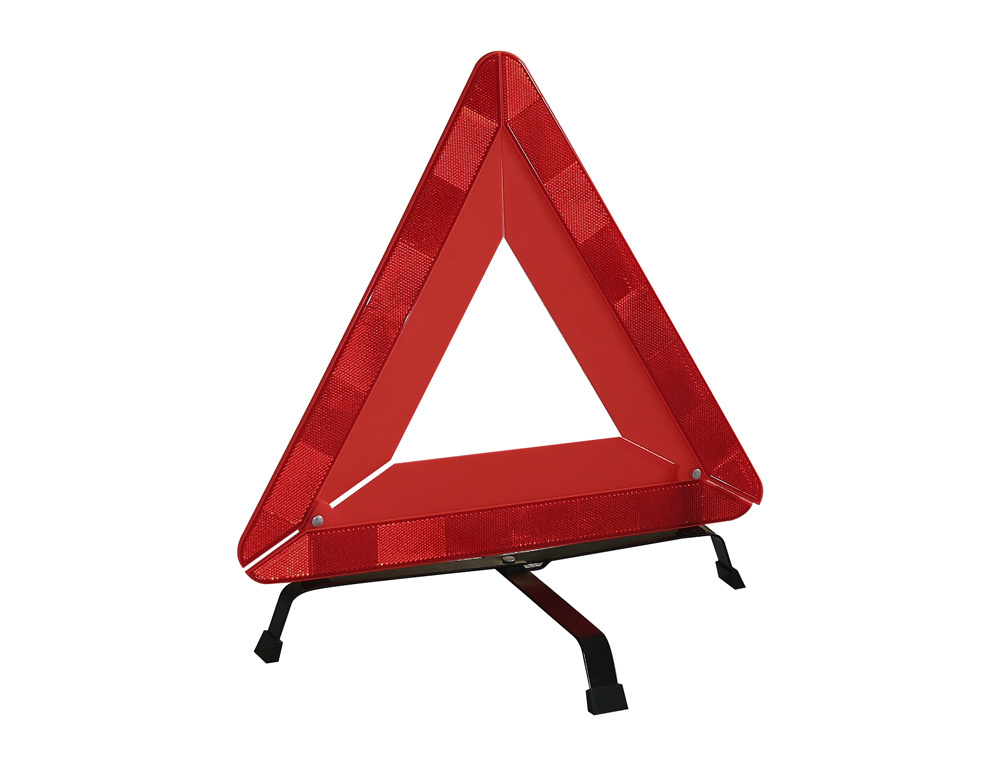
A **safety triangle** is a reflective, triangular-shaped warning sign typically made from durable plastic or metal. Designed to be portable, it can be set up quickly and easily during roadside emergencies. The reflective surface ensures that the triangle is visible in low-light conditions, making it easier for oncoming vehicles to spot your stationary vehicle from a distance.
Most safety triangles follow standard dimensions, usually measuring around 16 inches on each side, and they often come with a carrying case for easy transport.
3. Importance of Safety Triangles in Roadside Safety
Understanding the importance of safety triangles in roadside emergencies hinges on their ability to mitigate risk. Here are some key reasons why these devices are indispensable:
Preventing Accidents
When a vehicle is stranded on the roadside, it poses a significant hazard to approaching traffic. A well-placed safety triangle alerts drivers to slow down and navigate cautiously, reducing the likelihood of collision. This warning is particularly crucial in areas with high-speed limits or limited visibility.
Improving Visibility
In dimly lit conditions, such as nighttime breakdowns or inclement weather, a safety triangle enhances visibility. The reflective materials used in these triangles catch the light from vehicle headlights, making them stand out against the backdrop of the road.
Legal Compliance
In many jurisdictions, carrying a safety triangle is not just advisable; it is a legal requirement. Understanding and complying with these laws not only helps ensure your safety but also avoids potential fines.
4. Legal Standards for Safety Triangles
Different regions have specific regulations regarding the use and requirements of safety triangles. In many countries, motorists must carry a safety triangle and utilize it whenever they are involved in a roadside emergency.
Country-Specific Regulations
For instance, in the European Union, the law mandates that all vehicles must be equipped with a safety triangle. Not only must it be carried, but it must also be used in the event of a breakdown. Similarly, various states in the United States have their own regulations.
It’s essential to familiarize yourself with local laws before hitting the road. Carrying a safety triangle can help ensure you comply with these regulations while also enhancing your safety.
5. How to Properly Use Safety Triangles
Knowing how to use a safety triangle effectively can impact its ability to protect you during a roadside emergency. Here is a step-by-step guide on how to use one:
Step 1: Assess Your Situation
Before deploying the safety triangle, assess the circumstances. If you are in a busy highway area or another dangerous location, quickly secure yourself and your passengers in a safe space away from traffic.
Step 2: Safely Exit Your Vehicle
If it is safe to do so, exit your vehicle. Always be cautious and watch for oncoming traffic.
Step 3: Set Up the Safety Triangle
Unfold the safety triangle and place it at a recommended distance behind your vehicle. The general rule of thumb is to position it approximately 30 feet (or about 10 meters) behind your vehicle. In higher-speed areas, you may want to place it further back to give approaching vehicles more warning.
Step 4: Ensure Visibility
Make sure that the triangle is clearly visible to oncoming traffic. If you are on a curve or a hill, adjust the placement accordingly.
6. Placement Tips for Maximum Visibility
To maximize the effectiveness of your safety triangle, consider the following tips for placement:
Choose the Right Location
Select a flat area that is far enough away from your vehicle. Avoid placing it near obstacles like trees or guardrails that might obstruct visibility.
Height and Angle
Ensure the triangle is upright and angled toward oncoming traffic. This positioning enhances its visibility and alerts drivers well in advance.
Use Additional Warning Signals
If possible, consider using additional warning signals, such as hazard lights or flares, in conjunction with the safety triangle. This layered approach increases your visibility to other drivers.
7. Maintenance and Care of Safety Triangles
To ensure your safety triangle remains effective, regular maintenance is essential. Here are some care tips:
Check for Damage
Inspect your safety triangle before every road trip to ensure it is not cracked, broken, or otherwise damaged. A damaged triangle may not reflect light properly.
Clean the Surface
Keep the reflective surface clean to ensure optimal visibility. Dust, dirt, and grime can hinder its performance, especially in low-light situations.
Store Properly
When not in use, store the safety triangle in a dry area away from sunlight. This prevents fading and degradation of the reflective materials.
8. Frequently Asked Questions about Safety Triangles
1. Are safety triangles required by law?
Yes, in many jurisdictions, having a safety triangle is a legal requirement. Check your local laws for specific regulations.
2. How far should I place my safety triangle from my vehicle?
The general recommendation is to place it about 30 feet (or 10 meters) behind your vehicle, but you may need to adjust this based on road conditions.
3. Can I use a safety triangle in bad weather?
Yes, safety triangles are effective even in bad weather, but ensure they are positioned properly to enhance visibility.
4. What should I do if I don't have a safety triangle on hand?
If you lack a safety triangle, consider using other warning signals like hazard lights or road flares until help arrives.
5. How often should I check my safety triangle?
It’s wise to check your safety triangle before every road trip to ensure it’s in good condition and ready for emergencies.
9. Conclusion: Prioritizing Safety on the Road
In conclusion, safety triangles play an **essential role** in ensuring roadside safety during emergencies. Their ability to alert other drivers and enhance visibility can significantly reduce the risk of accidents. By understanding their importance, adhering to legal requirements, and using them correctly, we can prioritize our safety and the safety of others on the road.
Carrying a safety triangle is not just a precaution; it is a proactive measure that every responsible driver should take seriously. Your actions can make a difference, not only for yourself but also for those who share the road with you. Remember, being prepared is the best way to ensure safety in any unexpected situation.
keyword:
safety triangle suppliers
Relevant news