


2025-03-31 09:40:40.327
Enhance Your Vehicle's Visibility: The Latest Trends in Automotive Lamp Technology
Enhance Your Vehicle's Visibility: The Latest Trends in Automotive Lamp Technology
Table of Contents
- 1. Introduction to Automotive Lamp Technology
- 2. Importance of Visibility in Automotive Safety
- 3. LED Technology: The Game Changer
- 4. Adaptive Lighting Systems: Customized Illumination
- 5. Laser Lighting: The Future of Automotive Illumination
- 6. Smart Lighting Solutions: Integration with Vehicle Systems
- 7. Environmental Impact of Modern Lighting Technologies
- 8. Frequently Asked Questions about Automotive Lamp Technologies
- 9. Conclusion: The Future of Automotive Visibility
1. Introduction to Automotive Lamp Technology
In the era of rapid technological advancement, automotive lamp technology has become a focal point in enhancing the visibility and safety of vehicles on the road. Gone are the days when standard halogen bulbs were the only option for vehicle lighting. Today, drivers have access to a wide array of innovative lighting solutions that not only improve visibility but also contribute to a vehicle's aesthetic appeal. This article delves into the latest trends in automotive lamp technology that are reshaping the landscape of vehicular illumination.
2. Importance of Visibility in Automotive Safety
Vehicle visibility plays a crucial role in road safety. The ability to see and be seen is fundamental to preventing accidents. Poor lighting can lead to mishaps, particularly during nighttime driving or adverse weather conditions. With advancements in automotive lighting, manufacturers are focusing on creating solutions that enhance driver awareness and ensure that vehicles stand out to other road users. Improved visibility not only increases safety but also enhances driver confidence, thus promoting a safer driving experience.
3. LED Technology: The Game Changer
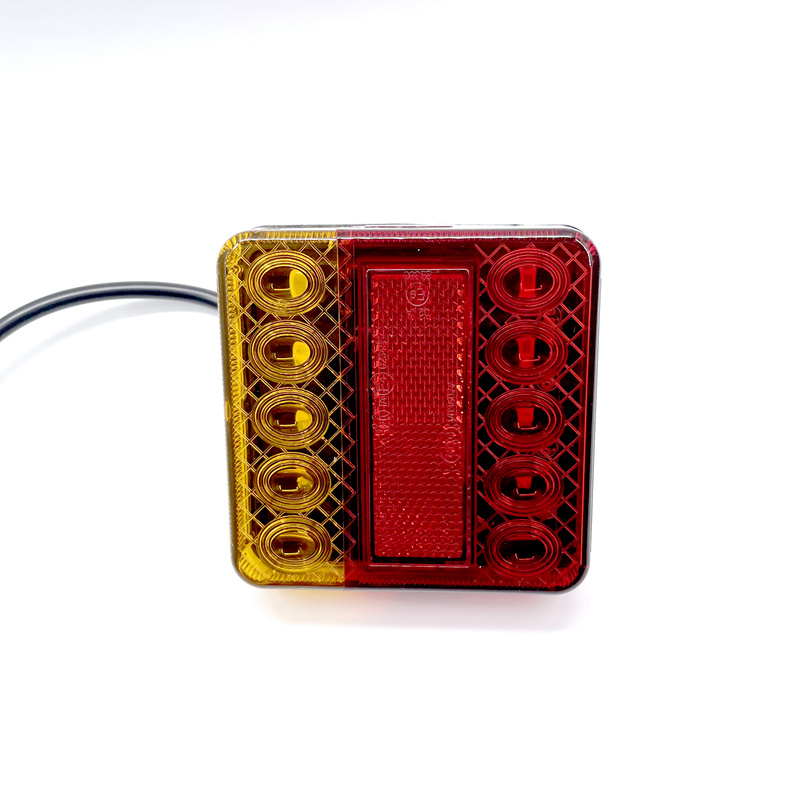
LED (Light Emitting Diodes) technology has revolutionized automotive lighting. Capable of producing bright, focused light with significantly lower energy consumption than traditional incandescent bulbs, LEDs have rapidly gained popularity among vehicle manufacturers and consumers alike.
3.1 Benefits of LED Lighting
The benefits of LED lighting extend beyond energy efficiency. Some key advantages include:
- **Longevity:** LED lights last up to 25,000 hours, reducing the need for frequent replacements.
- **Durability:** Resistant to shock and vibration, making them ideal for automotive applications.
- **Color Variety:** LEDs can emit a range of colors, enhancing design flexibility.
- **Instant Illumination:** LEDs light up instantly, improving reaction times in critical situations.
4. Adaptive Lighting Systems: Customized Illumination
Adaptive lighting systems represent a significant leap forward in automotive lamp technology. These systems adjust the direction and intensity of the vehicle’s lights based on various factors, such as speed, steering angle, and road conditions.
4.1 How Adaptive Lighting Works
Adaptive headlights can pivot and change their beam pattern. For example, when navigating a curve, the headlights can angle towards the direction of the turn, illuminating the road ahead more effectively. This not only enhances visibility for the driver but also improves safety for pedestrians and other road users.
4.1.1 Benefits of Adaptive Lighting
- **Enhanced Visibility:** Provides better illumination in curves and turns.
- **Reduced Glare:** Automatically adjusts to prevent blinding oncoming drivers.
- **Increased Safety:** Offers improved visibility in various driving conditions.
5. Laser Lighting: The Future of Automotive Illumination
Laser lighting technology is emerging as one of the most innovative trends in automotive illumination. By using laser diodes, manufacturers can produce a beam that is more intense and focused than traditional methods.
5.1 Key Advantages of Laser Lights
- **Increased Range:** Laser lights can illuminate the road ahead at significantly greater distances compared to LED and halogen options.
- **Compact Design:** The size of laser diodes allows for more streamlined headlight designs.
- **Energy Efficiency:** Despite their intensity, laser lights consume less power than conventional lighting solutions.
6. Smart Lighting Solutions: Integration with Vehicle Systems
With the rise of smart vehicle technology, automotive lighting is becoming increasingly integrated with advanced vehicle systems. Smart lighting solutions enhance not only the functionality but also the user experience.
6.1 Features of Smart Lighting
- **Automatic Dimming:** Lights can automatically adjust brightness based on ambient light conditions.
- **Communication with Other Vehicles:** Some systems can communicate with surrounding vehicles to improve safety through shared information about road conditions and obstacles.
- **Remote Access:** Drivers can control their vehicle's lighting remotely, offering convenience and security.
7. Environmental Impact of Modern Lighting Technologies
As the automotive industry moves towards sustainability, the environmental impact of lighting technologies is a key consideration. Modern lighting solutions offer a path to reducing carbon footprints.
7.1 Energy Efficiency and Sustainability
- **Lower Energy Consumption:** LED and laser technologies consume significantly less power.
- **Reduced Waste:** Longer lifespans of modern bulbs mean fewer replacements and less waste.
- **Recyclability:** Many contemporary lighting systems are designed with recyclable materials, promoting sustainability.
8. Frequently Asked Questions about Automotive Lamp Technologies
8.1 What is the best type of automotive lighting?
The best type of automotive lighting depends on individual needs. LED lights are popular for their energy efficiency and longevity, while adaptive and laser lighting systems offer advanced features for enhanced safety.
8.2 How often should I replace my vehicle's lights?
It's advisable to check your vehicle's lights regularly. While LED lights can last for years, other types may require more frequent replacements. Always replace any flickering or dimming bulbs immediately.
8.3 Are adaptive headlights worth the investment?
Yes, adaptive headlights enhance safety and visibility, especially in rural or poorly lit areas. They are particularly valuable for nighttime driving.
8.4 Can I install LED bulbs in my older vehicle?
Yes, many older vehicles can be upgraded with LED bulbs, but it may require additional components such as resistors to prevent flickering.
8.5 How do smart lighting systems improve safety?
Smart lighting systems can adjust automatically to changing road conditions and communicate with other vehicles, enhancing overall driving safety.
9. Conclusion: The Future of Automotive Visibility
The evolution of automotive lamp technology is reshaping the driving experience, making it safer and more efficient than ever before. As we embrace these advancements—from LED and adaptive lighting systems to laser technology and smart integrations—vehicles are not only becoming more visible but are also evolving into sophisticated machines designed for enhanced safety and convenience. Staying informed about these trends can help vehicle owners make educated decisions, ensuring they benefit from the best visibility solutions available. Investing in modern automotive lighting technology is not just about style; it’s about committing to safety and innovation in every journey.
keyword:
lamp automotive exporter
Relevant news