


2025-12-06 09:50:06.769
How Safety Triangles Revolutionize Roadside Safety Precautions
How Safety Triangles Revolutionize Roadside Safety Precautions
Understanding the Importance of Roadside Safety
The safety of motorists, passengers, and pedestrians is a paramount concern in today's fast-paced world. With the increasing number of vehicles on the road, the need for effective roadside safety measures has never been more critical. Among various tools designed to enhance safety, **safety triangles** play an indispensable role. These visual indicators not only alert drivers to potential hazards but also help prevent accidents, thereby saving lives.
What Are Safety Triangles?
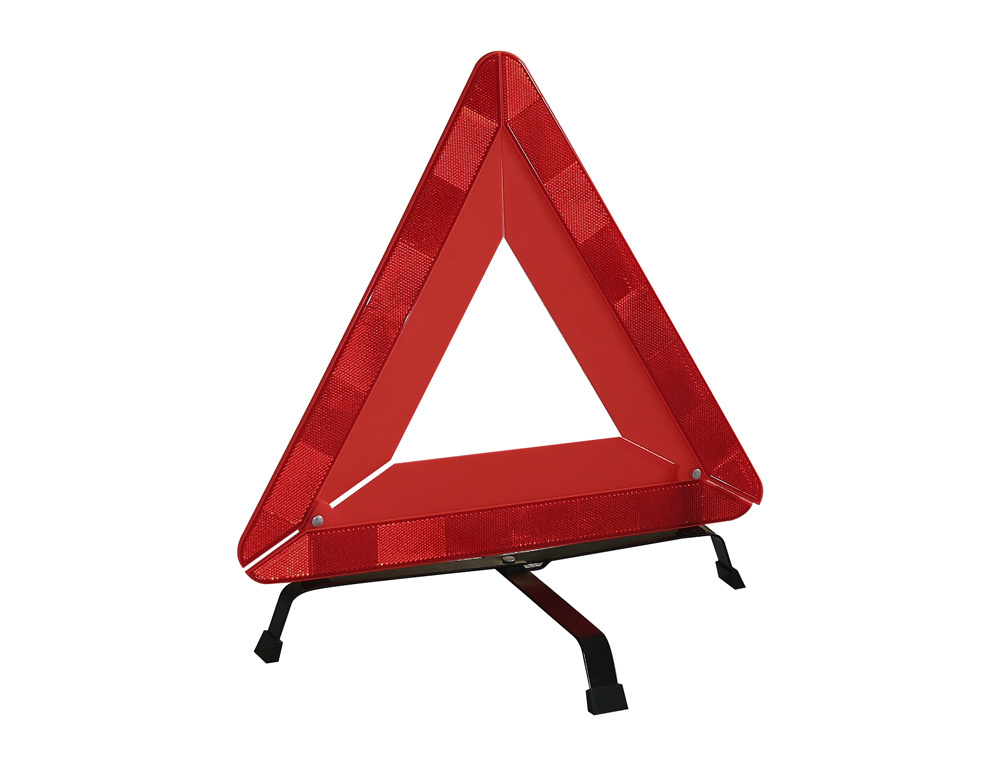
Safety triangles, often referred to as warning triangles or roadside triangles, are reflective triangular signs used to mark emergency situations. Typically made from durable materials, these triangles are designed for visibility during both day and night. Their bright colors and reflective surfaces ensure they are easily seen from a distance, making them a vital tool for any motorist facing roadside emergencies.
Key Features of Safety Triangles
Safety triangles come equipped with several essential features:
1. **Vivid Colors**: Most safety triangles utilize bright colors like red or orange, which are proven to catch the attention of passing drivers.
2. **Reflective Materials**: Many triangles are made with reflective materials that enhance visibility, particularly in low-light conditions.
3. **Easy Setup**: Safety triangles are typically designed to be easily set up and taken down, allowing users to quickly mark their location.
4. **Portability**: Most models are lightweight and foldable, making them easy to store in a vehicle without taking up much space.
When to Use Safety Triangles
Understanding when to deploy safety triangles is crucial for maximizing their effectiveness. Here are key scenarios where they should be utilized:
- **Vehicle Breakdown**: If your vehicle experiences mechanical failure, placing a safety triangle behind your vehicle can alert oncoming traffic.
- **Accidents**: In the event of a collision, setting up a safety triangle can help prevent further accidents and protect those involved.
- **Hazardous Conditions**: During inclement weather or on poorly lit roads, safety triangles can provide necessary warnings to other drivers.
The Impact of Safety Triangles on Roadside Safety
Implementing safety triangles significantly enhances roadside safety in multiple ways. They serve not only as a warning but also as a means to create a safer environment for emergency responders and those involved in accidents.
Enhancing Visibility and Awareness
One of the primary functions of safety triangles is enhancing visibility. When drivers see a safety triangle, they instinctively slow down and proceed with caution. This heightened awareness reduces the chances of additional accidents, particularly in busy traffic areas.
Statistics on Roadside Accidents
Statistics reveal a stark reality: a significant percentage of roadside accidents occur due to a lack of visibility and awareness. According to traffic safety studies, the use of warning devices like safety triangles can reduce the likelihood of secondary collisions by up to 30%. This statistic underscores the importance of using safety triangles effectively.
Creating Safe Spaces for Emergency Responders
Safety triangles not only protect motorists but also create a safer working environment for emergency responders. When responders arrive at the scene of an accident, they face numerous hazards, including oncoming traffic. By placing a safety triangle, victims and bystanders can provide a buffer, allowing responders to work safely and efficiently.
Choosing the Right Safety Triangle
With a variety of safety triangles available in the market, selecting the right one can be daunting. Here are some factors to consider when making your choice:
Material and Durability
Opt for safety triangles made from high-quality, durable materials. Ensure they are weather-resistant to withstand various environmental conditions.
Reflectivity
Choose a triangle with excellent reflective properties. The better the reflectivity, the more visible the triangle will be during nighttime or in poor weather conditions.
Ease of Use
Select a model that is easy to set up and collapse. A user-friendly design encourages drivers to use the triangle when necessary.
Best Practices for Using Safety Triangles
To maximize the effectiveness of safety triangles, follow these best practices:
Positioning the Triangle Correctly
The triangle should be placed approximately 30 feet behind your vehicle on the road, allowing ample warning distance for approaching vehicles. Ensure that it is visible from multiple angles.
Using Multiple Triangles
In situations involving larger vehicles or where visibility is severely limited, consider using more than one triangle. Placing one near your vehicle and another further back can significantly enhance visibility.
Regular Maintenance
Regularly check your safety triangle for wear and tear. Replace any triangles that show signs of damage to ensure they remain effective.
Legal Requirements for Safety Triangles
Familiarizing yourself with the legal requirements regarding safety triangles is essential for all drivers. In many regions, carrying a safety triangle is not just advisable, but mandatory. Failure to comply can lead to fines or penalties, especially if it contributes to an unsafe situation.
Regional Differences in Requirements
Legal requirements can vary significantly between regions. In some countries, motorists are required to carry a safety triangle, while in others, it may be optional. Always check local laws to ensure compliance.
FAQs About Safety Triangles
1. Are safety triangles mandatory for all drivers?
In many regions, yes, safety triangles are a legal requirement for drivers. It’s essential to check local regulations.
2. How effective are safety triangles in preventing accidents?
Safety triangles can reduce the likelihood of secondary accidents by up to 30%, significantly enhancing roadside safety.
3. Can I use a safety triangle in inclement weather?
Yes, safety triangles are designed to be used in various weather conditions. Ensure you choose a model that is reflective for maximum visibility.
4. How do I set up a safety triangle?
Place the triangle on the road, approximately 30 feet behind your vehicle, ensuring it is visible from multiple directions.
5. What should I do if I don’t have a safety triangle when my vehicle breaks down?
If you don’t have a safety triangle, it’s advisable to use any visible objects to alert oncoming traffic, such as flares or reflective vests, until you can safely address the situation.
Conclusion
In conclusion, safety triangles are a **revolutionary tool** that enhances roadside safety and awareness. By understanding their importance and correct usage, motorists can significantly reduce the risk of accidents and create a safer environment for themselves and others on the road. Investing in a high-quality safety triangle and knowing how to use it effectively can save lives and prevent injuries. Embrace the use of safety triangles as a crucial part of your roadside safety toolkit, ensuring a safer journey for everyone.
keyword:
safety triangle pricelist
Relevant news