


2026-03-06 09:50:03.559
Light Up Your Ride: Enhancing Safety with High-Quality Automotive Bulbs
Light Up Your Ride: Enhancing Safety with High-Quality Automotive Bulbs
Table of Contents
- Understanding Automotive Bulbs: An Introduction
- The Importance of High-Quality Automotive Bulbs
- Types of Automotive Lighting
- Headlights: The Frontline of Illumination
- Taillights: Safety in Rear Visibility
- Fog Lights: Cutting Through the Mist
- Interior Lights: Comfort and Convenience
- Benefits of Upgrading Your Automotive Bulbs
- Installation Guide for Automotive Bulbs
- Choosing the Right Bulb for Your Vehicle
- Maintaining Your Automotive Lighting System
- Frequently Asked Questions
- Conclusion
Understanding Automotive Bulbs: An Introduction
Automotive bulbs are an essential component of any vehicle, serving multiple purposes from enhancing visibility to ensuring safety on the road. These bulbs come in various shapes, sizes, and technologies, each designed to meet specific lighting needs. Understanding the intricacies of automotive bulbs allows drivers to make informed decisions, enhancing their driving experience significantly.
The Importance of High-Quality Automotive Bulbs
Investing in high-quality automotive bulbs is crucial for several reasons. **First and foremost**, quality bulbs provide better illumination, which translates to improved visibility at night and during adverse weather conditions. Additionally, they have a longer lifespan compared to cheaper alternatives, ensuring that you won’t have to change them frequently. Superior bulbs also consume less energy, contributing to better fuel efficiency and reduced strain on your vehicle's electrical system.
Types of Automotive Lighting
When it comes to automotive lighting, several types are vital for safety and functionality. Each type serves a distinct purpose. Understanding these types can help you choose the right components for your vehicle.
Headlights: The Frontline of Illumination
Headlights are perhaps the most critical lighting component of any vehicle. They illuminate the road ahead, allowing drivers to see and be seen. **There are several types of headlights**: halogen, HID (High-Intensity Discharge), and LED (Light Emitting Diode). Each type offers different benefits and visibility. For instance, LED headlights provide a brighter and whiter light, improving night visibility significantly.
Taillights: Safety in Rear Visibility
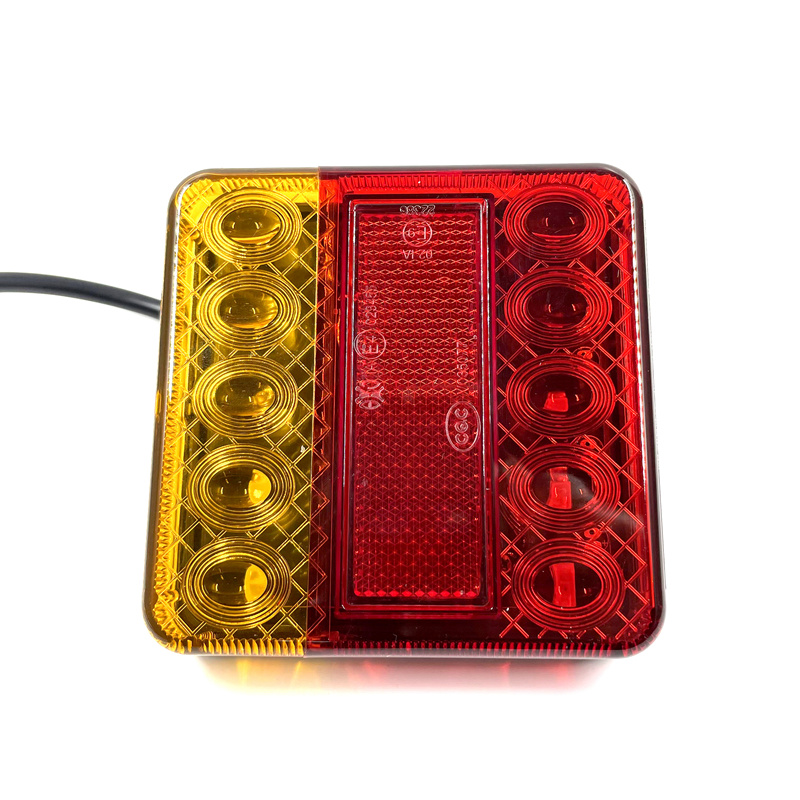
Taillights are essential for conveying your vehicle's presence to other drivers. They illuminate when the brakes are applied and signal turns. Upgrading your taillights to LED versions can enhance brightness and response time, making your vehicle more visible during nighttime and adverse weather conditions.
Fog Lights: Cutting Through the Mist
Fog lights are designed to illuminate the road directly in front of your vehicle, reducing the scattering of light in foggy conditions. Unlike standard headlights, fog lights have a low, wide beam that improves visibility without blinding oncoming drivers. **Options include halogen and LED fog lights**, each offering distinct advantages.
Interior Lights: Comfort and Convenience
While not directly related to driving safety, interior lights enhance comfort and convenience, allowing passengers to navigate and enjoy the vehicle’s interior after dark. Upgrading to brighter LED options can improve visibility inside the cabin, making it easier to find items or read maps.
Benefits of Upgrading Your Automotive Bulbs
Upgrading your automotive bulbs provides a multitude of benefits. **Here are some key advantages:**
1. **Improved Visibility**: High-quality bulbs offer brighter and clearer illumination, ensuring you can see potential hazards on the road.
2. **Enhanced Safety**: Better lighting increases your visibility to other drivers, reducing the risk of accidents.
3. **Longer Lifespan**: Quality bulbs typically last longer, saving you money on replacements and maintenance.
4. **Energy Efficiency**: Upgrading to modern bulbs like LEDs can lead to lower energy consumption and improved fuel efficiency.
5. **Aesthetic Appeal**: Modern bulbs often come in various designs and colors, allowing you to customize your vehicle’s appearance.
Installation Guide for Automotive Bulbs
Installing automotive bulbs can be straightforward, depending on your vehicle type. Here is a step-by-step guide to ensure proper installation:
Step 1: Gather Your Tools
Collect all necessary tools, including gloves, a screwdriver, and the new bulbs.
Step 2: Turn Off Your Vehicle
Safety first! Make sure your vehicle is turned off, and the keys are removed.
Step 3: Access the Bulb
Open the hood of your vehicle and locate the bulb socket. Depending on your vehicle, you may need to remove a cover or panel.
Step 4: Remove the Old Bulb
Carefully disconnect the old bulb by turning it counterclockwise or releasing the clips.
Step 5: Install the New Bulb
Insert the new bulb into the socket, ensuring it is secure. Avoid touching the glass part of the bulb with your fingers, as oils can reduce its lifespan.
Step 6: Test the Bulb
Before reassembling any covers, turn on your vehicle to test the new bulb.
Step 7: Reassemble
Once confirmed working, reattach any covers or panels and close the hood.
Choosing the Right Bulb for Your Vehicle
Selecting the appropriate automotive bulb can feel overwhelming due to the variety of options available. Here are some factors to consider when making your choice:
1. **Vehicle Specifications**: Refer to your vehicle’s owner manual for specific bulb types and sizes.
2. **Brightness**: Look for bulbs with higher lumen ratings for improved brightness.
3. **Color Temperature**: Bulbs with a color temperature of 3000K to 6000K offer a more natural white light.
4. **Type of Bulb**: Decide whether you prefer halogen, HID, or LED based on brightness, longevity, and energy efficiency.
5. **Brand Reputation**: Choose reputable brands known for quality and reliability.
Maintaining Your Automotive Lighting System
To ensure your automotive lighting system remains effective, regular maintenance is essential. Here are some tips:
1. **Inspect Regularly**: Check your bulbs regularly for signs of wear or damage.
2. **Clean the Lenses**: Keep your headlights and other lighting lenses clean to ensure optimal brightness.
3. **Replace Burnt-Out Bulbs Promptly**: Don’t delay replacing burnt-out bulbs to maintain safety.
Frequently Asked Questions
What are the benefits of LED bulbs for my vehicle?
LED bulbs offer brighter illumination, consume less power, and have a longer lifespan compared to traditional halogen bulbs. They also generate less heat, reducing strain on your vehicle's electrical system.
How often should I replace my automotive bulbs?
It is recommended to check your bulbs at least once a year and replace any that are dim or burnt out.
Can I install automotive bulbs myself?
Yes, most automotive bulbs can be installed with basic tools and a little guidance. However, refer to your vehicle’s manual for specifics.
What should I do if my headlights are foggy?
Foggy headlights can be cleaned with a headlight restoration kit or by using a mixture of baking soda and vinegar. Regular cleaning can enhance visibility.
Are there specific bulbs for different weather conditions?
Yes, some bulbs are designed for specific conditions, like fog lights for low visibility in foggy situations and high-intensity bulbs for nighttime driving.
Conclusion
Investing in **high-quality automotive bulbs** is paramount for ensuring safety and enhancing the overall driving experience. By understanding the various types of automotive lighting, the importance of bulb quality, and proper maintenance, vehicle owners can significantly improve visibility on the road. Regular upgrades and maintenance not only enhance safety but also contribute to a more enjoyable driving experience. Illuminate your ride with the right automotive bulbs, and drive with confidence!
keyword:
quality lamp automotive
Relevant news