


2026-04-30 09:50:12.646
Understanding the Importance of Safety Triangle Quotations in Traffic Safety Equipment
In the automotive and motorcycle industry, specifically within the realm of traffic safety equipment, the concept of safety triangle quotations holds considerable importance. These quotations are not mere statements; they encapsulate the essence of safety measures that protect individuals on the road. Understanding the relevance of safety triangle quotations can greatly enhance the effectiveness of traffic safety equipment, particularly in situations where visibility and signaling are paramount.
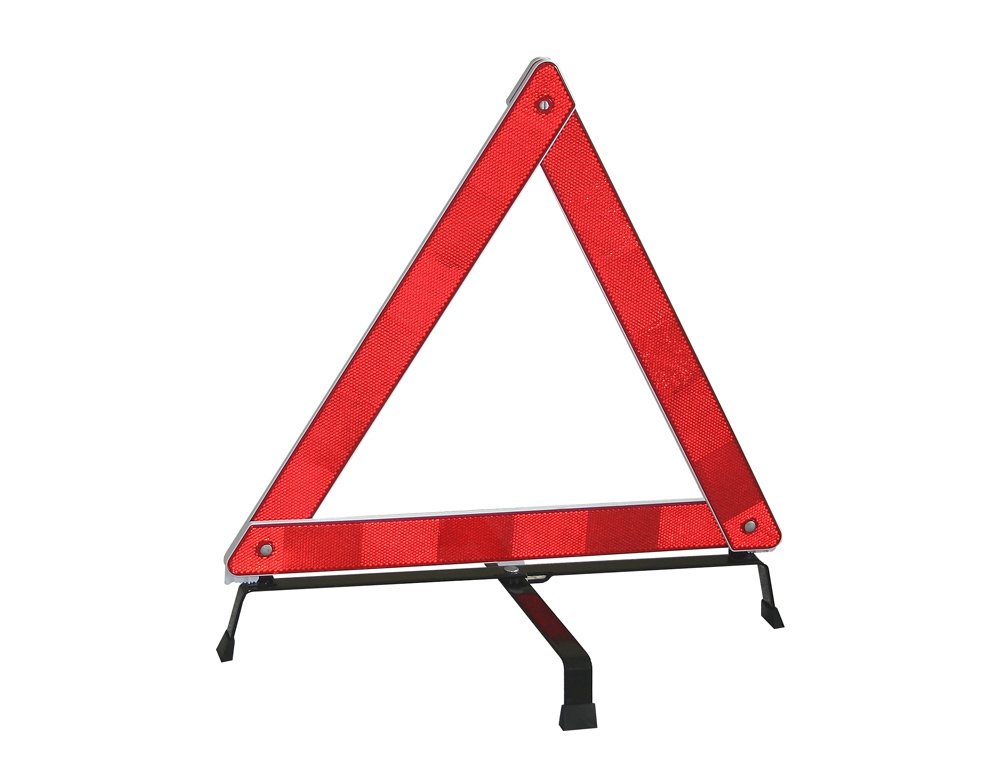
A safety triangle, often referred to as a warning triangle or hazard triangle, is a vital piece of equipment used by motorists to alert others of a roadside emergency. Its design, typically a bright red triangle, is intended to be easily visible from a distance, ensuring that approaching vehicles are warned of potential hazards ahead. When discussing safety triangle quotations, we delve into the standards and specifications that govern their use, ensuring they conform to safety regulations and are effective in real-world scenarios.
One critical aspect of safety triangle quotations is their role in compliance with traffic safety laws. Many jurisdictions require the use of safety triangles in certain driving conditions, such as when a vehicle breaks down or is involved in an accident. Understanding the legal requirements surrounding safety triangles can help drivers avoid fines and ensure they are prepared for emergencies. Furthermore, proper use of this equipment can prevent secondary accidents, thereby enhancing overall road safety.
Moreover, safety triangle quotations can serve as a guideline for manufacturers in producing high-quality, reliable safety equipment. By adhering to established quotations and standards, manufacturers can ensure that their products meet the necessary safety criteria, ultimately providing users with peace of mind. In this context, safety triangle quotations facilitate a deeper understanding of the materials, design, and visibility factors that contribute to the effectiveness of these devices.
In addition to compliance and manufacturing standards, safety triangle quotations can also impact consumer education. Understanding how and when to use a safety triangle is vital for all drivers. For instance, drivers should be aware of the proper placement of the triangle to maximize its visibility—ideally, it should be set up at a distance of at least 30 meters from the vehicle in the direction of oncoming traffic. Such knowledge can prevent accidents and ensure that drivers and passengers remain safe.
In conclusion, safety triangle quotations are an integral part of traffic safety equipment that extends beyond mere regulation compliance. They encompass a range of considerations, from legal requirements to manufacturing standards and consumer education. By understanding these aspects, individuals can enhance their safety on the road and contribute to a culture of safety awareness.
keyword:
safety triangle quotation
Relevant news