


2026-05-25 09:20:26.972
Enhance Your Cycling Gear: The Ultimate Guide to Bicycle Reflectors
Enhance Your Cycling Gear: The Ultimate Guide to Bicycle Reflectors
Table of Contents
- 1. Introduction to Bicycle Reflectors
- 2. Importance of Bicycle Reflectors for Safety
- 3. Types of Bicycle Reflectors
- 3.1 Rear Reflectors
- 3.2 Front Reflectors
- 3.3 Wheel Reflectors
- 3.4 Pedal Reflectors
- 3.5 Helmet Reflectors
- 4. How to Install Bicycle Reflectors
- 5. Maintenance of Bicycle Reflectors
- 6. Enhancing Visibility with Additional Gear
- 7. Common Issues with Bicycle Reflectors
- 8. Conclusion
- 9. Frequently Asked Questions
1. Introduction to Bicycle Reflectors
Cycling is not just a leisure activity; it's a way to commute, exercise, and enjoy the outdoors. However, **safety on the road** is paramount, especially during low-light conditions or inclement weather. One of the most effective ways to enhance your safety is by using bicycle reflectors. These small, yet crucial components can significantly increase your visibility, helping drivers spot you from a distance.
In this guide, we will cover everything you need to know about bicycle reflectors — from understanding their types to installation and maintenance.
2. Importance of Bicycle Reflectors for Safety
The importance of bicycle reflectors cannot be overstated. Reflectors work by bouncing light back towards the source, making cyclists more visible in dark or poorly lit areas. Here are some compelling reasons why bicycle reflectors are essential for every cyclist:
Increased Visibility
Bicycle reflectors enhance visibility for both the cyclist and others on the road. With reflectors, motorists can see you from a distance, allowing them to react appropriately.
Accident Prevention
By increasing your visibility with reflectors, the risk of accidents decreases. Reflectors can alert drivers to your presence, especially in low-light conditions where they may not otherwise see you.
Legal Compliance
In many jurisdictions, bicycle reflectors are a legal requirement. Not having them could result in fines and, more critically, increased risk to your safety.
Cost-Effectiveness
Bicycle reflectors are **affordable** and can easily be added to your gear without breaking the bank. Investing in reflectors is a small price to pay for increased safety.
3. Types of Bicycle Reflectors
When it comes to bicycle reflectors, several types cater to different needs. Understanding these can help you choose the right reflectors for your bike.
3.1 Rear Reflectors
Rear reflectors are typically red and are mounted on the back of the bicycle. They are crucial for alerting drivers approaching from behind.
3.2 Front Reflectors
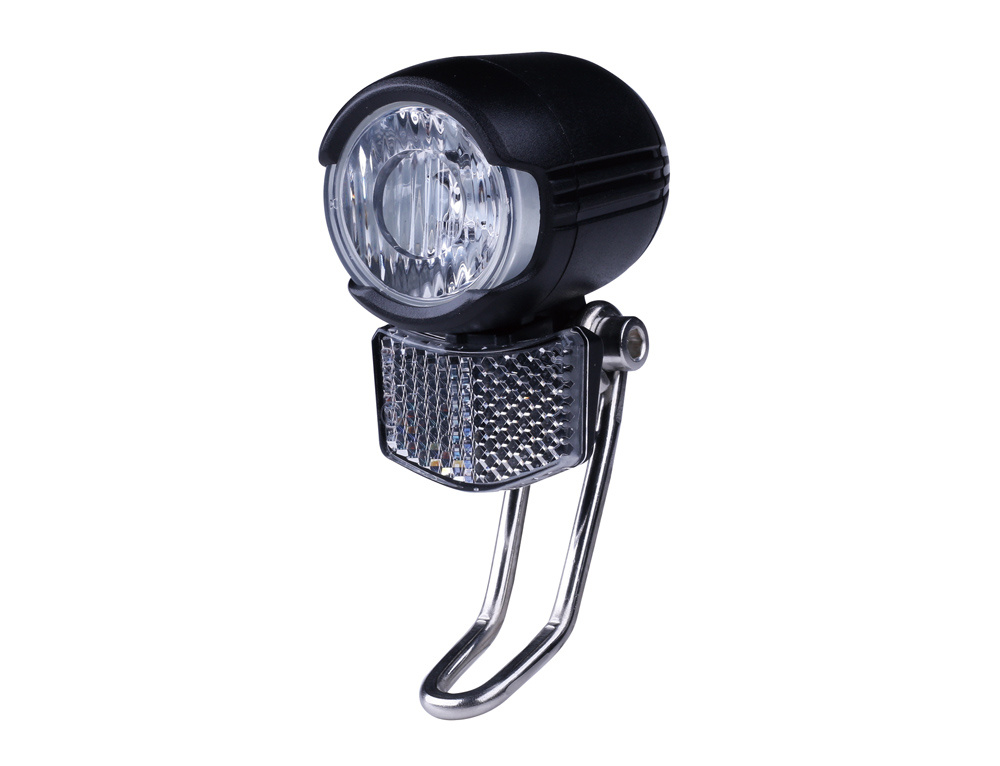
These are usually white and positioned at the front of the bike. Front reflectors help enhance visibility when approaching traffic from the front.
3.3 Wheel Reflectors
Wheel reflectors can be attached to the spokes of the bicycle wheels. They help increase visibility from various angles, especially when the bike is in motion.
3.4 Pedal Reflectors
Pedal reflectors are designed to enhance visibility of the cyclist’s movements, especially when turning or coming to a stop. They come in various colors but are most effective when they are brightly colored.
3.5 Helmet Reflectors
Adding reflectors to your helmet can dramatically increase your visibility. Helmet reflectors are light and easy to attach, offering an additional safety layer.
4. How to Install Bicycle Reflectors
Installing bicycle reflectors is generally straightforward. Follow these steps for effective installation:
Step 1: Choose the Right Placement
Determine where each type of reflector will go. Rear reflectors should be positioned at the back, front reflectors at the front, and so forth.
Step 2: Clean the Surface
Ensure the area where you will attach the reflector is clean and dry. This will help the adhesive stick better.
Step 3: Attach the Reflectors
Peel off the adhesive backing and firmly press the reflector onto the designated location. Ensure it's secure and won’t come off during rides.
Step 4: Test Visibility
After installation, test the reflectors at night or in low-light conditions to check if they reflect light effectively.
5. Maintenance of Bicycle Reflectors
Proper maintenance can prolong the life of your bicycle reflectors and maintain their effectiveness.
Regular Cleaning
Keep reflectors clean from dirt and grime. Use a damp cloth to wipe them down regularly, ensuring they remain reflective.
Check for Damage
Periodically inspect your reflectors for cracks or wear. Replace any damaged reflectors immediately to maintain safety.
Reattach if Necessary
If a reflector has become loose, reattach it to ensure it remains functional.
6. Enhancing Visibility with Additional Gear
While reflectors are essential, additional gear can further enhance your visibility:
Reflective Clothing
Wear bright, reflective clothing when cycling at night. This can significantly increase your visibility further than reflectors alone.
Lighting Systems
Invest in a good lighting system that includes front and rear lights. Combining lights with reflectors provides maximum visibility.
Flags and Banners
Consider attaching a flag to your bike. This can help to increase your visibility, especially in crowded or busy areas.
7. Common Issues with Bicycle Reflectors
Despite their benefits, bicycle reflectors can face some common issues:
Loss of Adhesiveness
Over time, reflectors may lose their adhesive quality, leading to them falling off. Regular checks can help mitigate this issue.
Dullness Over Time
Reflectors can become dull with exposure to the elements. Regular cleaning and timely replacements can help maintain their effectiveness.
8. Conclusion
Bicycle reflectors are an indispensable part of ensuring safety while cycling. With various types available, understanding their importance and proper installation can lead to better visibility and reduced accident risks. By combining reflectors with additional visibility gear, you can significantly enhance your safety on the road. Remember, investing in reflectors is not just about compliance; it’s about safeguarding your life and enjoying your cycling experience to the fullest.
9. Frequently Asked Questions
1. Are bicycle reflectors mandatory?
Yes, many regions require bicycles to have reflectors for safety reasons.
2. How often should I replace my bicycle reflectors?
It's advisable to check reflectors regularly and replace them if they become damaged or less effective.
3. Can I install reflectors myself?
Absolutely! Installation is straightforward and can be done with minimal tools.
4. What color reflectors are most effective at night?
Red reflectors are most effective for the rear, while white reflectors are best for the front.
5. Do reflectors work in all lighting conditions?
Reflectors are most effective in low-light conditions, but they can still be beneficial during the day by increasing visibility.
keyword:
Bicycle reflector factory
Relevant news