


2026-06-14 09:50:27.484
Why Safety Triangles Are Essential for Ensuring Roadside Safety
Why Safety Triangles Are Essential for Ensuring Roadside Safety
Introduction to Roadside Safety and Its Importance
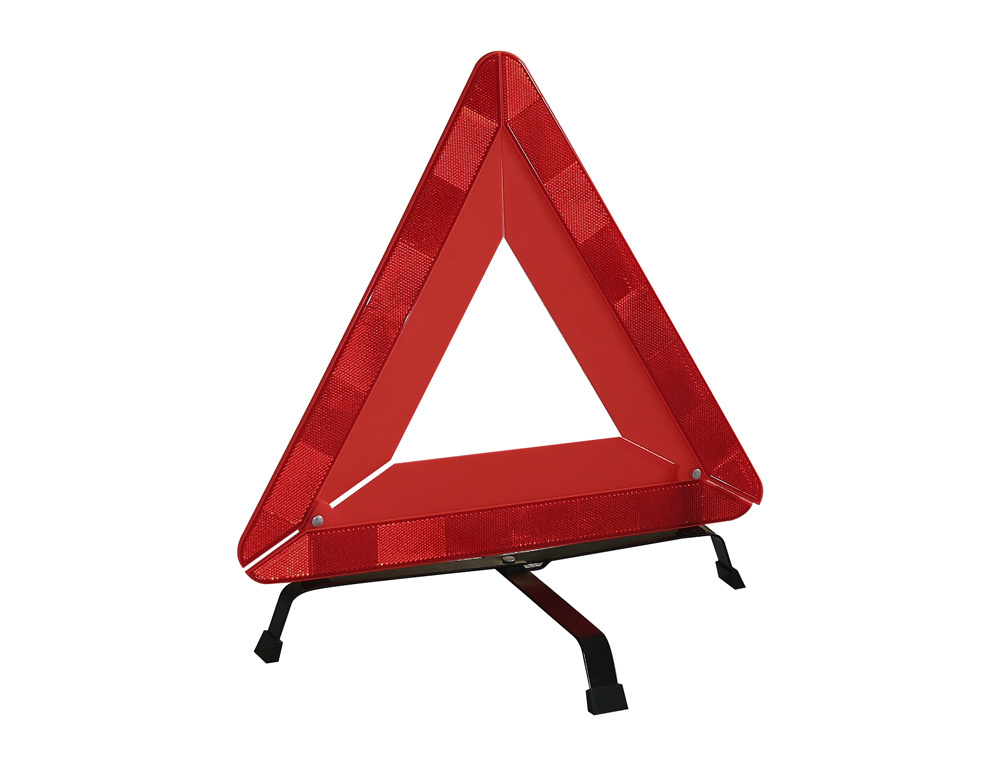
In an era where road safety is paramount, understanding the various tools and devices that aid in ensuring safe driving conditions is essential. One such tool that plays a vital role in roadside safety is the **safety triangle**. These bright, reflective devices are not just accessories; they are lifesavers that offer a crucial warning to both drivers and pedestrians in emergency situations. This article delves into the significance of safety triangles, their benefits, and how they should be used effectively.
The Functionality of Safety Triangles
Safety triangles serve a critical purpose on the roads. Their primary function is to alert approaching vehicles of a potential hazard ahead. Here’s how they work:
1. Visual Warning System
When a vehicle breaks down or an accident occurs, placing a safety triangle at a strategic distance behind the vehicle creates a visual warning. The reflective surface of these triangles ensures visibility even in low-light conditions, enhancing the safety of those involved.
2. Distance Indicator
Safety triangles are designed to indicate the distance between the hazard and oncoming traffic. Typically, they should be placed at least 50 feet away from the vehicle, allowing enough time for other drivers to react to the situation.
3. Simple Design, Powerful Impact
Constructed from lightweight materials, safety triangles are easy to set up and dismantle. Their triangular shape and vibrant colors make them easily recognizable, ensuring that they catch the attention of passing motorists.
Types of Safety Triangles
While the design of safety triangles may appear similar, there are different types that serve specific needs. Understanding these variations can aid in making the right choice for different situations.
1. Standard Emergency Triangles
These are the most common type, typically made from plastic and featuring reflective surfaces. They are designed for general roadside emergencies and are often included in vehicle emergency kits.
2. Heavy-Duty Safety Triangles
For commercial vehicles or heavy machinery, heavy-duty safety triangles are available. These models are more robust, made to withstand harsher conditions, and are often more visible due to larger sizes.
3. Foldable Safety Triangles
Portable and easy to store, foldable safety triangles are perfect for personal vehicles. They offer convenience without sacrificing visibility and effectiveness when deployed.
The Benefits of Using Safety Triangles
The advantages of utilizing safety triangles extend beyond mere aesthetics; their usage can significantly enhance roadside safety.
1. Increased Visibility
One of the most critical benefits is increased visibility. Safety triangles prominently signal to other drivers that caution is necessary. Especially in low-light conditions or poor weather, these devices can be the difference between an accident and a fortunate avoidance.
2. Enhanced Reaction Time
By providing a clear warning, safety triangles afford other drivers the necessary time to react appropriately. This is crucial, particularly on busy highways where speed limits are often higher.
3. Legal Compliance
In many jurisdictions, having a safety triangle is a legal requirement. Failure to comply can result in fines or penalties, emphasizing the importance of keeping one on hand.
How to Properly Use Safety Triangles
Knowing how to set up and use a safety triangle correctly can make a significant difference in ensuring safety on the road.
1. Assess the Situation
Before deploying a safety triangle, evaluate the situation first. Determine the safest location to set up the triangle, ensuring it does not put you in harm's way.
2. Placement of the Triangle
Place the safety triangle at the recommended distance, typically at least 50 feet behind your vehicle. On highways, this distance may need to be increased for better visibility.
3. Ensure Stability
Make sure the triangle is stable and won’t easily fall over due to wind or other factors. If it’s windy, consider securing it with weights or other nearby objects.
4. Visibility Check
After setting up the triangle, conduct a visibility check from various angles to ensure it can be seen clearly from a distance. If it’s not visible enough, adjust its position accordingly.
Common Misconceptions Surrounding Safety Triangles
Despite their importance, several myths and misconceptions about safety triangles persist.
1. “One Triangle is Enough”
Many believe that one triangle suffices for roadside emergencies. However, having multiple triangles can enhance visibility and indicate the hazard from different angles.
2. “Safety Triangles Are Only for Breakdowns”
While they are indeed crucial for vehicle breakdowns, safety triangles can also be used for accidents or any situation where a vehicle is stopped unexpectedly on the road.
3. “They Are Only for Professional Drivers”
Every driver should be educated on the importance of safety triangles. Regardless of experience, they are essential for anyone operating a vehicle on public roads.
Additional Tools for Roadside Safety
While safety triangles are vital, they are just one aspect of roadside safety. Here are some additional tools that can complement their use.
1. Road Flares
Road flares provide a high-visibility signal of an emergency, especially at night. They can be used in conjunction with safety triangles for enhanced visibility.
2. Reflective Vests
Wearing a reflective vest is essential when exiting a vehicle during an emergency. This increases your visibility to oncoming traffic significantly.
3. Emergency Roadside Kits
A comprehensive emergency roadside kit should include not only safety triangles but also first-aid supplies, flashlights, and tools for tire changes or minor repairs.
FAQs About Safety Triangles
1. Are safety triangles mandatory in all states?
No, safety triangle laws vary by region. Always check local regulations to ensure compliance.
2. Where should I store my safety triangle in my vehicle?
Store them in an easily accessible location, such as the trunk or under the seat, ensuring you can reach them quickly in an emergency.
3. How do I clean and maintain my safety triangle?
Regularly inspect your safety triangle for damage. Clean it using a damp cloth and mild soap to maintain its reflective properties.
4. Can I use regular cones instead of safety triangles?
While cones can offer visibility, safety triangles are specifically designed for roadside emergencies and are often more effective in signaling danger.
5. What should I do if I can't set up a safety triangle?
If setting up a triangle is not possible, remain in your vehicle with your seatbelt fastened, and call for assistance if necessary.
Conclusion
In conclusion, safety triangles are an indispensable tool for ensuring roadside safety. Their simple yet effective design allows them to provide critical warnings to drivers, significantly improving reaction times and potentially preventing accidents. By understanding their functionality, proper usage, and the importance of combining them with additional safety tools, we can foster a culture of safety on our roads. As responsible drivers, it is our duty to be prepared and equipped to handle any roadside emergencies effectively. By making safety triangles a fundamental part of our driving routine, we contribute to safer roads for everyone.
keyword:
safety triangle suppliers
Relevant news