


2024-01-07 13:00:07.056
The Science Behind Bicycle Reflectors: How They Work
1. Introduction
Bicycle reflectors play a crucial role in ensuring the safety of cyclists on the road. These small yet powerful devices enhance visibility, making it easier for motorists and pedestrians to spot cyclists, especially in low-light conditions. In this article, we will dive into the science behind bicycle reflectors, exploring how they work and their significance in preventing accidents.
2. How Bicycle Reflectors Work
Bicycle reflectors work on the principle of retroreflection. When light from a source, such as a car's headlights, hits the surface of a reflector, it is redirected back towards the source. This phenomenon occurs due to the presence of tiny glass or plastic beads on the reflector's surface, which are designed to reflect light in a specific manner.
3. Types of Bicycle Reflectors
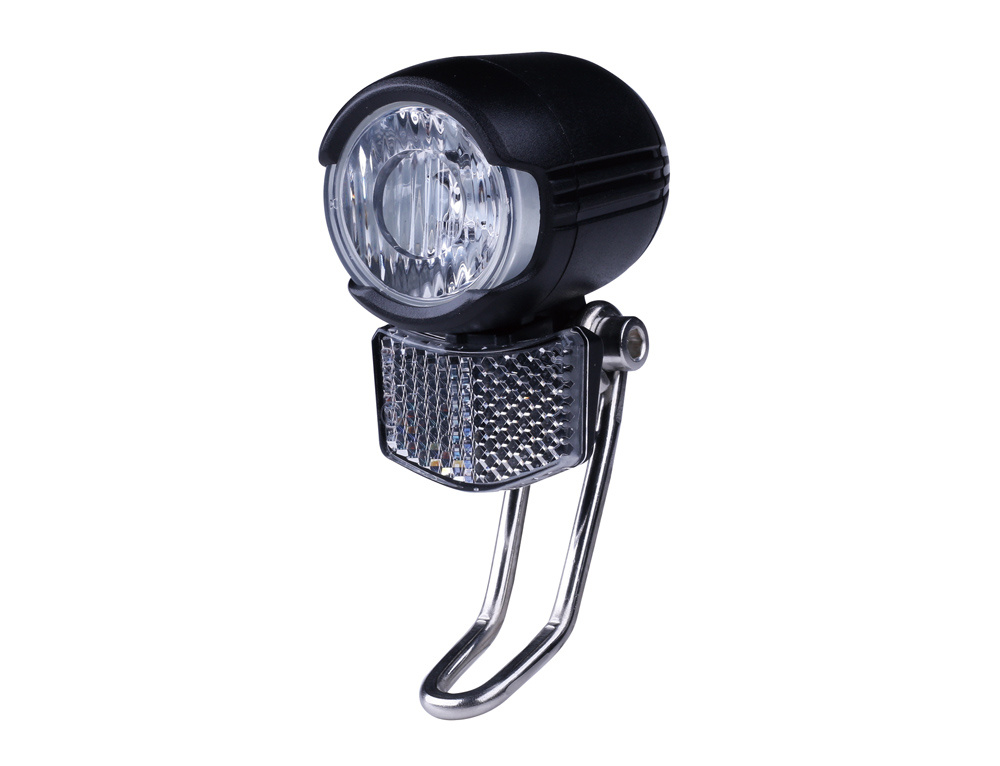
There are various types of bicycle reflectors available in the market, each serving a specific purpose. Front reflectors, also known as white reflectors, are typically attached to the front of the bicycle and help improve visibility from the front. Rear reflectors, or red reflectors, are placed at the back of the bicycle, making it easier for vehicles approaching from behind to notice the cyclist. Pedal reflectors, commonly found on the pedals of bicycles, are essential for enhancing side visibility.
4. The Role of Colors in Reflectors
Colors play a significant role in the effectiveness of reflectors. White reflectors, for instance, are designed to reflect all colors of light, making them highly visible. Red reflectors, on the other hand, are specifically designed to reflect red light, which is more visible to motorists at night. The choice of colors in reflectors ensures maximum visibility and compliance with traffic regulations.
5. Standards and Regulations for Bicycle Reflectors
To ensure the safety and effectiveness of bicycle reflectors, there are several standards and regulations in place. These standards specify the minimum size, placement, and reflective properties of bicycle reflectors. Compliance with these regulations is crucial to guarantee optimal visibility and prevent accidents.
6. Installing and Maintaining Bicycle Reflectors
Proper installation and maintenance of bicycle reflectors are essential for their functionality. Reflectors should be securely attached to the bicycle frame or designated areas, ensuring they remain in place even during bumpy rides. Regular cleaning and inspection of reflectors should also be carried out to remove dirt and debris that may diminish their reflective properties.
7. Conclusion
In conclusion, bicycle reflectors are vital safety devices that significantly improve visibility and reduce the risk of accidents for cyclists. Understanding the science behind how bicycle reflectors work, the different types available, and the importance of proper installation and maintenance is crucial for ensuring optimal safety on the road. By adhering to regulations and making use of reflectors, cyclists can enjoy a safer and more enjoyable riding experience.
keyword:
Bicycle reflector
Relevant news