


2024-01-10 16:00:15.688
How to Use a Safety Triangle Properly: A Step-by-Step Guide
When it comes to road safety, using proper equipment is crucial. One such essential piece of equipment is a safety triangle. In this guide, we will provide you with a step-by-step tutorial on how to use a safety triangle properly. Whether you're a professional driver or a regular commuter, this guide will equip you with the necessary knowledge to ensure your safety on the road.
Heading: What is a Safety Triangle? (H2)
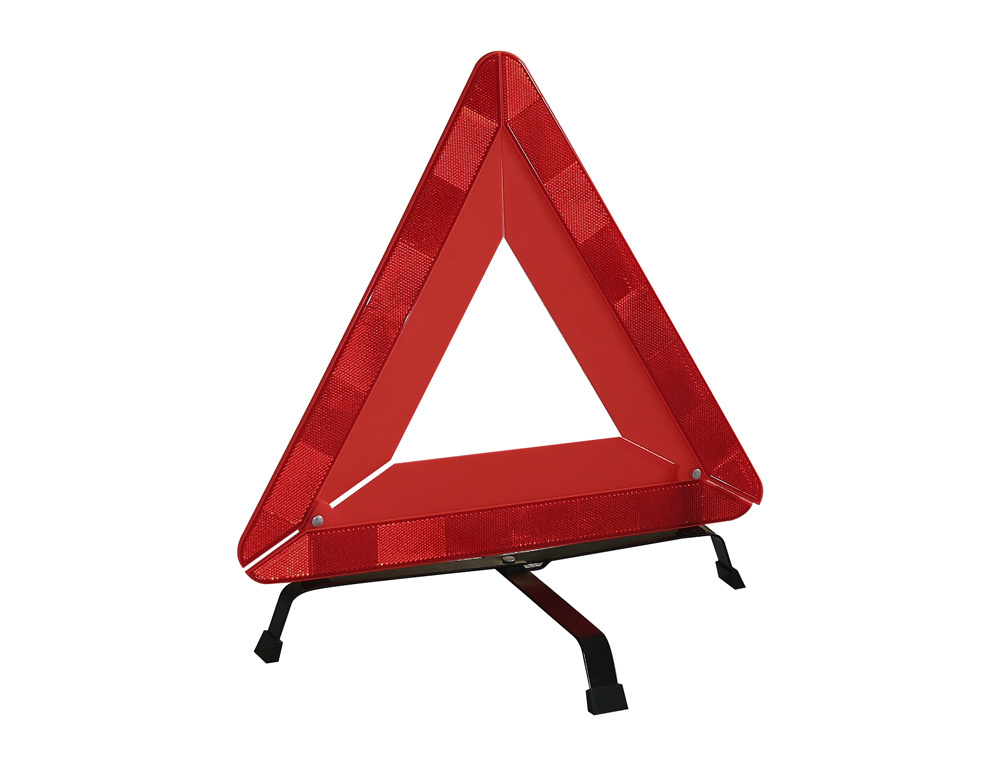
Before diving into the step-by-step guide, it's important to understand what a safety triangle is and its purpose. A safety triangle, also known as a warning triangle or breakdown triangle, is a reflective device used to warn other drivers of a stationary vehicle ahead. It is typically placed a certain distance away from the vehicle to alert approaching drivers and prevent accidents.
Heading: How Does a Safety Triangle Work? (H2)
To effectively use a safety triangle, it's essential to understand how it works. The reflective material on the triangle enhances visibility, especially at night or in low-light conditions. This visibility ensures that other drivers can spot the triangle from a distance, giving them ample time to slow down and pass the stationary vehicle safely.
Step-by-Step Guide: How to Use a Safety Triangle Properly
Heading: Step 1 - Choose a Safe Location (H3)
When your vehicle breaks down or stops on the road, the first step is to select a safe location to place the safety triangle. Ensure that you are on the shoulder or emergency lane, away from the flow of traffic. If possible, find a spot with good visibility and ample space for other vehicles to pass by safely.
Heading: Step 2 - Retrieve the Safety Triangle (H3)
Once you have secured a safe location, retrieve the safety triangle from your vehicle. Most safety triangles come with a carrying case or storage space within the vehicle for easy access. Take the triangle out and unfold it, ensuring that it is in good condition and free from any damage.
Heading: Step 3 - Extend the Legs (H3)
Next, extend the legs of the safety triangle fully. The legs are usually collapsible for easy storage, but when in use, they need to be fully extended to provide stability. Ensure that the legs lock securely in place to prevent the triangle from collapsing unexpectedly.
Heading: Step 4 - Position the Triangle (H3)
Take the safety triangle and position it behind your vehicle, facing oncoming traffic. Place it a sufficient distance away to give approaching drivers enough time to react and slow down. In general, it is recommended to position the triangle at least 100 feet or 30 meters away from your vehicle.
Heading: Step 5 - Activate the Reflective Surface (H3)
With the safety triangle properly positioned, activate the reflective surface by turning on your vehicle's hazard lights. The combination of the reflective triangle and flashing hazard lights enhances visibility and alerts other drivers of a potential hazard ahead.
Heading: Step 6 - Observe Safety Precautions (H3)
While the safety triangle is in place, it's important to prioritize your own safety. Stay on the side of the road, away from passing traffic, and remain cautious of your surroundings. If possible, contact emergency services or a roadside assistance provider for further assistance.
Frequently Asked Questions (FAQs)
FAQ 1: How far away should I place the safety triangle from my vehicle? (H4)
Answer: It is recommended to place the safety triangle at least 100 feet or 30 meters away from your vehicle to ensure maximum visibility for oncoming traffic.
FAQ 2: Can I use a safety triangle in any weather conditions? (H4)
Answer: Yes, safety triangles are designed to be visible in various weather conditions, including rain, fog, and darkness. However, it's important to activate the reflective surface and use hazard lights for enhanced visibility during adverse weather.
FAQ 3: Are safety triangles mandatory in all countries? (H4)
Answer: Safety triangle regulations vary by country. It's crucial to familiarize yourself with the specific requirements of the country you are driving in to ensure compliance with local laws.
FAQ 4: Can I use more than one safety triangle? (H4)
Answer: While one safety triangle is typically sufficient, using additional triangles can further enhance visibility. However, always follow local regulations and guidelines regarding the use of safety triangles.
FAQ 5: How should I store the safety triangle when not in use? (H4)
Answer: It is recommended to store the safety triangle in its designated carrying case or storage compartment within your vehicle. This ensures easy access and protects the triangle from damage.
In conclusion, understanding how to use a safety triangle properly is essential for road safety. By following the step-by-step guide provided in this article, you can confidently use a safety triangle to alert other drivers of a stationary vehicle ahead. Remember to prioritize your own safety and comply with local regulations to ensure a safe and smooth journey. Stay vigilant, and always be prepared for any unexpected situations on the road.
keyword:
safety triangle
Relevant news