


2024-12-31 10:00:03.157
Why Every Driver Should Have a Safety Triangle in Their Car
Why Every Driver Should Have a Safety Triangle in Their Car
When it comes to road safety, preparation is key. One essential item that every driver should have in their vehicle is a safety triangle. This simple yet effective tool serves as a vital safety measure in various driving situations. In this article, we will explore the importance of having a safety triangle in your car, its benefits, legal requirements, tips for effective use, and frequently asked questions.
The Importance of a Safety Triangle
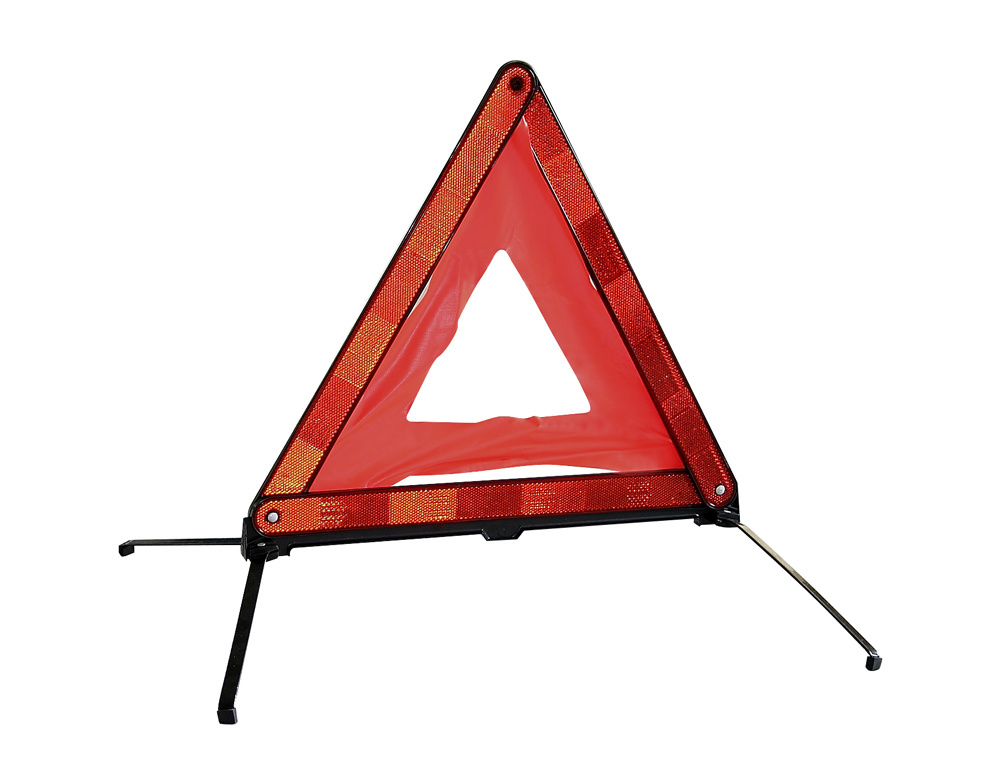
A safety triangle, also known as a warning triangle or hazard triangle, is designed to alert other drivers when your vehicle is stopped or in distress. It serves as a visual warning, helping to prevent accidents and ensuring that drivers maintain a safe distance from your vehicle.
Enhancing Road Safety
Road safety is a collective responsibility. By using a safety triangle, you are not only protecting yourself but also contributing to the overall safety of the road. When your car breaks down or is involved in an accident, placing a safety triangle a safe distance behind your vehicle signals to approaching drivers that they should slow down and proceed with caution.
Legal Requirements in Many Regions
In numerous countries, carrying a safety triangle is not just a best practice, but a legal requirement. Failing to comply with these regulations can result in fines or penalties. Understanding the local laws regarding safety equipment can help you avoid unnecessary trouble and ensure you’re prepared for any situation.
Benefits of Having a Safety Triangle
Investing in a safety triangle comes with multiple benefits that enhance your driving experience and safety. Let’s delve into these advantages.
1. Immediate Visibility
One of the most significant benefits of a safety triangle is its ability to provide immediate visibility. The bright colors and reflective materials used in safety triangles make them easily noticeable, even from a distance. This ensures that other drivers are aware of your presence and can take appropriate actions to avoid accidents.
2. Protecting Yourself and Passengers
When your vehicle is disabled on the side of the road, the last thing you want is for other drivers to come too close. By deploying a safety triangle, you create a buffer zone that protects you and your passengers from potential collisions.
3. Easy to Use
Safety triangles are user-friendly and quick to set up. Most models come with a foldable design that allows for easy storage in your trunk or glove compartment. In an emergency, you can set it up in seconds, making it an invaluable tool for any driver.
How to Set Up a Safety Triangle
Setting up a safety triangle is straightforward. Follow these steps for effective deployment:
1. Find a Safe Location: If you are on the road, make sure to park your vehicle in a safe area away from traffic.
2. Retrieve the Triangle: Take the safety triangle out of your vehicle and unfold it.
3. Position the Triangle: Place the triangle approximately 30 meters (about 100 feet) behind your vehicle on the road if possible.
4. Ensure Visibility: Make sure the triangle is clearly visible to oncoming traffic.
Legal Requirements for Safety Triangles
Understanding the legal requirements regarding safety triangles is crucial for maintaining compliance while driving. Different regions have varying laws that mandate the presence of safety equipment in vehicles.
Regulations by Region
- United States: While not universally mandated, many states recommend carrying a reflective triangle as part of your emergency kit.
- Europe: Countries such as France and Germany require the use of a warning triangle and may impose fines for non-compliance.
- Asia: Regulations vary widely, but many countries emphasize the importance of having a safety triangle as part of road safety.
Choosing the Right Safety Triangle
When selecting a safety triangle, consider the following factors to ensure you make the best choice for your vehicle.
Durability and Design
Opt for a safety triangle made from high-quality materials that can withstand various weather conditions. Reflective triangles should be constructed so that they retain visibility even in low light.
Portability
Choose a model that is lightweight and easy to store. Many safety triangles come with a compact design that allows for effortless transport within your vehicle.
Compliance with Standards
Ensure that the safety triangle you select meets local regulatory standards. This is especially important if you’re traveling through different regions.
Common Misconceptions About Safety Triangles
Despite their importance, many drivers harbor misconceptions about safety triangles. Let’s clear up some common misunderstandings.
1. “I Don’t Need a Safety Triangle; I Have Hazard Lights”
While hazard lights are beneficial, they are not a substitute for a safety triangle. Hazard lights may not be visible from a distance, whereas a safety triangle provides a clear alert to oncoming traffic.
2. “Safety Triangles Are Only for Serious Accidents”
Safety triangles are useful in various situations, including minor breakdowns, flat tires, or other roadside emergencies. Having one on hand at all times is a proactive approach to road safety.
3. “I Can Use a Cone Instead”
While traffic cones can be effective, they are often bulkier and require more storage space than safety triangles. The latter are designed specifically for quick deployment and maximum visibility.
Proper Maintenance and Storage of Your Safety Triangle
To ensure that your safety triangle performs effectively when needed, proper maintenance and storage are essential.
Regular Inspections
Make it a habit to inspect your safety triangle periodically. Check for any damage, wear, or missing components to ensure that it remains functional.
Safe Storage
Store your safety triangle in an easily accessible location within your vehicle. Consider placing it in your trunk or behind the driver’s seat so that you can retrieve it quickly during an emergency.
FAQs About Safety Triangles
1. Do all vehicles need a safety triangle?
While not legally required in all regions, having a safety triangle is highly recommended for all vehicles to enhance safety during roadside emergencies.
2. How far should the safety triangle be placed from my vehicle?
As a general rule, place the safety triangle about 30 meters (100 feet) behind your vehicle on the road to maximize visibility.
3. Can I use the safety triangle in urban areas?
Yes, safety triangles can be used in urban areas, especially in situations where your vehicle is stopped in a lane of traffic or near a busy intersection.
4. Are there any specific brands of safety triangles you recommend?
While specific brands may vary, look for safety triangles that comply with safety standards and have good customer reviews for durability and visibility.
5. How should I dispose of a damaged safety triangle?
If your safety triangle is damaged, it should be disposed of responsibly. Check with local waste disposal guidelines for proper disposal methods, and consider recycling if applicable.
Conclusion
In conclusion, having a safety triangle in your car is not just a smart choice; it is a crucial element of road safety. From providing immediate visibility to fulfilling legal requirements, a safety triangle can significantly enhance your safety and that of your passengers. By understanding its importance, choosing the right model, and knowing how to use it effectively, you can be better prepared for any unforeseen situation on the road. Investing in a safety triangle is a small but impactful step toward ensuring a safer driving experience.
keyword:
buy safety triangle
Relevant news